An Architect’s Guide to Barn Conversions – Layouts, Planning Permission, Glazing & More
Considering a barn conversion project? Architect Opinder Liddar explores how you can transform rustic, agricultural buildings into stunning homes, fit for modern living
Opinder Liddar
You can create a beautiful dwelling through a barn conversion project and potentially save yourself the many hassles that come with trying to build your own rural home from scratch. These projects have always been popular, particularly as many can be converted via a simpler planning route through permitted development – Class Q, which enables you to create quite a sizeable home by utilising an existing structure.
This article provides several tips to help you achieve a showstopping barn conversion project and what to look out for if you come across such an opportunity.
Getting planning permission for a barn conversion project
Usually, new development in the countryside or green belt areas is not allowed, so if your dream is to live in a rural setting, a barn conversion may be your most viable option. Rather than having to apply for full planning permission, you would still need to follow a prior approval process (keep reading for more on this) with the local planning authority as the building and proposal needs to pass these tests in order to gain consent.
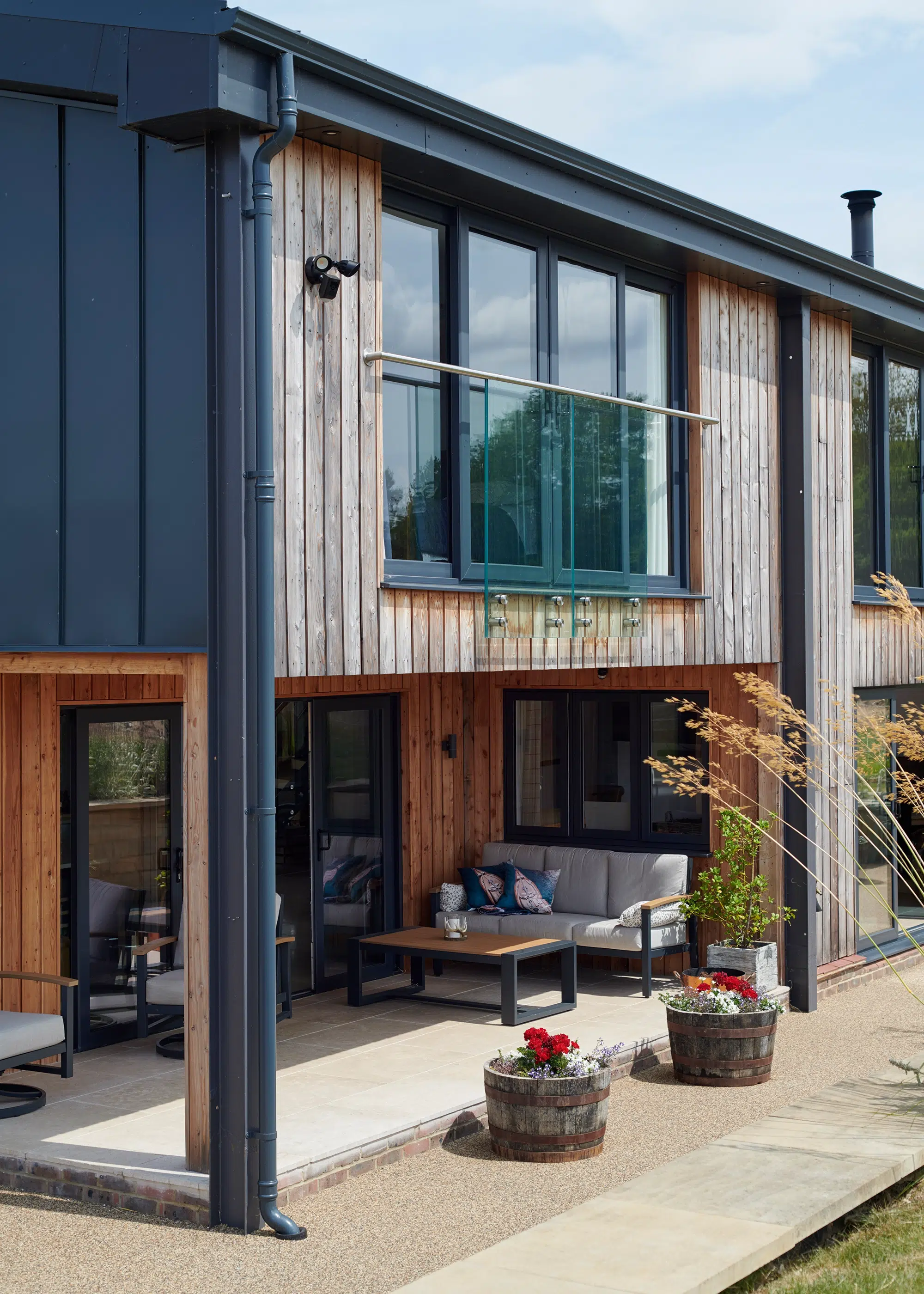
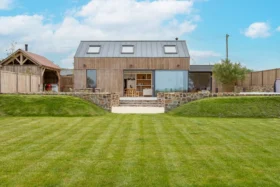
Nestled into the Kent countryside, this Dutch barn has been upgraded with a sensitive conversion, making it perfectly fit for modern living. Designed by RX Architects, the scheme embraces the structure’s original character, with corrugated metal roofing, and galvanised metal and larch timber cladding. Photo: The Modern House
These rules don’t cover every barn. Bare in mind that agricultural structures within national landscapes, protected conservation areas or a listed building’s curtilage will not fall under the easier planning route.
As long as your barn is not in any of the above, there are further legislative caveats that need to be achieved:
The maximum size of the dwelling is 150m².
If the barn is big enough, you could create up to 10 dwellings to a maximum of 1,000m². This is to encourage owners of these agricultural buildings to create more homes using under-utilised structures.
Single-storey rear extensions are allowed up to 4m deep, so long as there is a hard surface already.
There must be access to a public highway.
The barn must have existed before 24 July 2023 and have been used only for an agricultural basis for at least 10 years beforehand.
One interesting element of this is that green belt land is not mentioned, which would normally stop you from building any dwelling in this designation. It’s also worth noting that you can, of course, apply for full planning permission if your project doesn’t conform to Class Q.
Prior approval applications for agricultural projects
As the permitted development route is considerably easier than the full planning route for a new dwelling, you do need make sure that your prior approval application is correct and properly prepared. Therefore, it may be a good idea to work with a professional to prepare this for you.
You need to ensure the following is covered in your application:
Existing and proposed site layouts
Existing and proposed plans and elevations
Planning statement setting out why this falls under permitted development
The council will have 56 days to make a decision and interestingly, if you don’t hear anything from them, then it is deemed as approved. In addition, nobody else can object to this approval.
By going down this route, you will also save money and time from not having to employ an army of consultants to prepare reports on bats, trees, drainage, energy and carbon, for example. Compared to submitting a standard full planning application, this is a walk in the park and far quicker. If only all planning procedures worked like this these days.
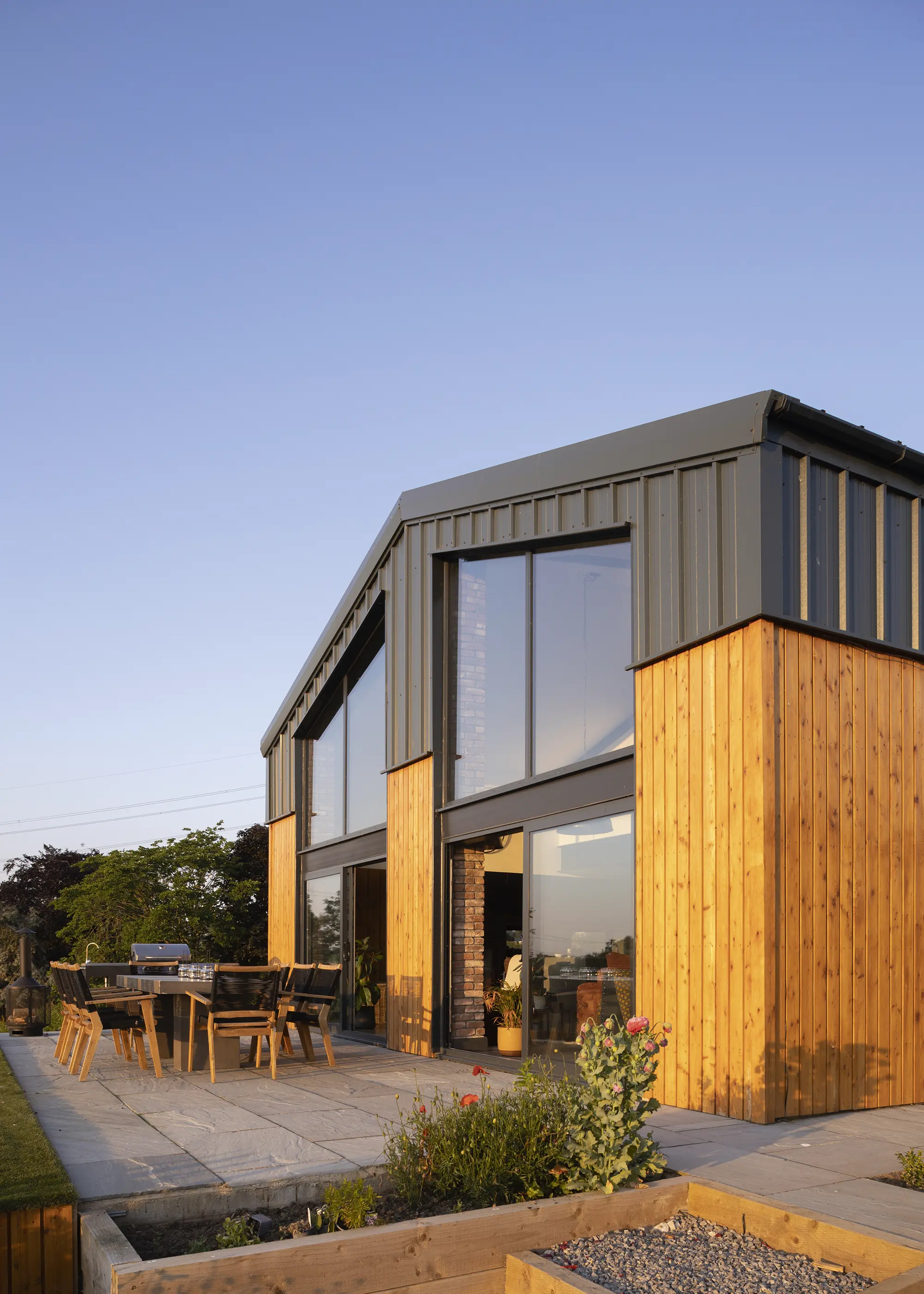
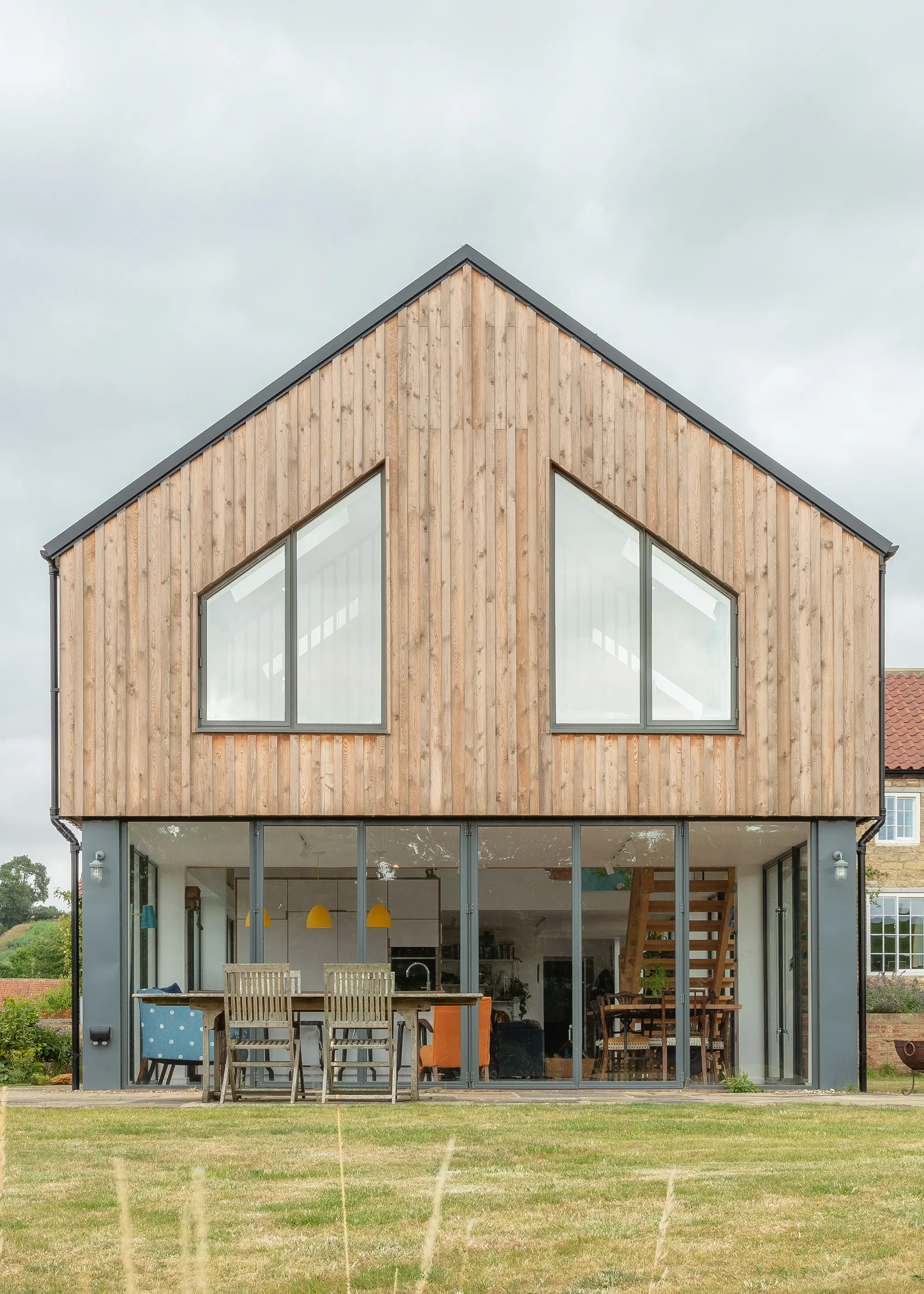
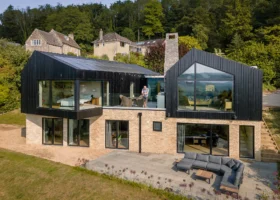
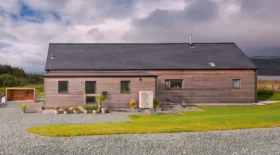
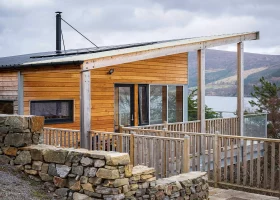
Build It reader Jamie Davison converted a steel frame agricultural shed under Class Q rules. The home has a distinctive industrial feel, with a larch-clad exterior and a double-height, open-plan living space with large swathes of glazing welcoming in plenty of daylight. Photo: Exposure Photo Agency
However, you need to make sure the application is prepared properly so it’s worth the investment in hiring a proper expert to do this. If your barn is listed or built before 1940, there is a very good guidance document produced by Historic England titled Adapting Traditional Farm Buildings. It is well worth a read as it does demonstrate many good examples of conversions and how to go about them that will potentially give you a greater chance of a successful application.
Assessing the barn’s condition before committing to a conversion
Now that you are touring the countryside looking for these opportunities, here are some preliminary assessments you should make before committing to making an offer on a potential conversion:
Take some basic dimensions of the internal space and ceiling heights when you visit.
Examine what services and drainage systems are available on site already.
Is there potential for solar panels or wind power?
Are there any original features that can be used to maintain or enhance the character of the building?
Check for any signs of damp or rot. It is vital that you have this investigated as soon as possible and get any recommendations on how to treat it.
Are there any rights of way, such as bridleways, that will come near the barn? It is worth checking if these might affect your private amenity.
Do you have access to all sides of the building? When it comes to construction, it will save time and money to have easy entry points for contractors.
Alan Tierney is Build It’s period property and conservation expert. He ran a historic building consultancy, offering hands-on advice to the owners of heritage homes, but is now focused on renovating Old Barnstaple House.
Traditional barns
The archetypal barn conversion project involves a traditional agricultural building. These are usually large, sometimes very large, buildings with massive historic structural elements and plenty of character. Unless they have been very badly neglected (in which case steer clear) they are usually structurally sound and provide an excellent basis for a successful conversion.
Time and farmer’s repairs are almost bound to have taken their toll on parts of the structure, so they must be carefully assessed. Very few conversions will involve no structural repair, but it’s also important not to do too much – elements that look superficially worrying often turn out to be fine on closer inspection.
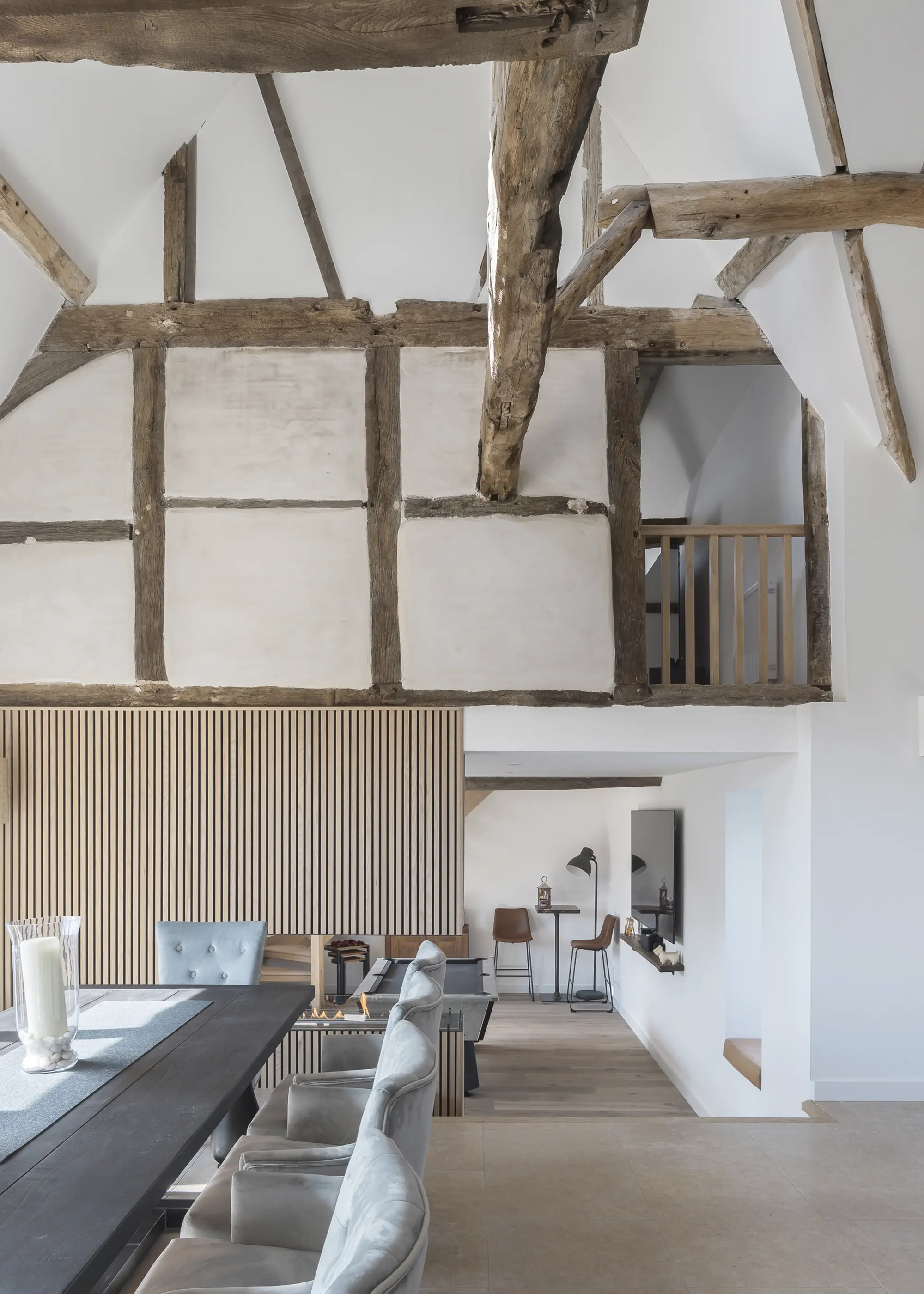
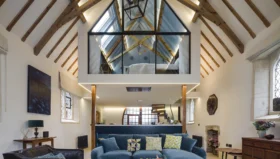
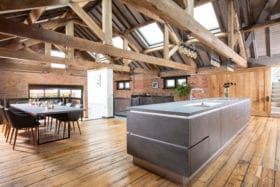
The most successful conversion projects will embrace the original structure, making use of large doors to flood full-height spaces with natural light, expressing the structure as much as possible to ensure character and retaining existing division of space where possible. Most old barns have (or had) areas with an upper floor for storage as well as large spaces open to the roof. The key criteria for success is that the finished product should still look and feel like a traditional barn.
Modern barns
Most modern barns are basically huge cattle sheds with massive steel or concrete frames that don’t readily lend themselves to residential conversion. They do have the advantage of considerably lesser sensitivity in structural and planning terms (Class Q would often be available).
The most likely candidates for conversion are smaller modern storage barns, which are often outside or at the edge of farmyards. A typical example might be a modern timber frame, with timber cladding, an open front providing the opportunity for large glazed areas, a sizeable, uninterrupted double-height space and plenty of outside space in front.
This represents a blank canvas for a comfortable, modern home with more manageable, domestic spaces in comparison to a large traditional barn. Insulation, airtightness, heating and ventilation should be no more of a challenge than in any modern property. Most of these buildings will already be connected to services and utilities, or they will be available nearby. So long as it’s not set in a designated landscape, the conversion should be eligible for Class Q permitted development.
Field barns
Field barns are relatively small, isolated buildings, usually at the edge of a field. They can offer splendid opportunities for conversion if a rural idyll in the middle of nowhere is an attractive proposition. Their size lends them to creating comfortable, domestic spaces and they are usually traditional buildings with plenty of character.
The downside comes in the considerable challenges involved when converting. Field barns are often in designated locations or listed. Even if they aren’t, though, they tend to be prominent features in the landscape, so the local planning authority might decide to designate locally as a Heritage Asset. Hence planning is likely to be an issue – especially since many are small enough that you’ll probably need to extend in order to create comfortably-sized living spaces.
Services and even access are unlikely to be in place, and particularly difficult to procure. This will pose issues for construction as well as creating a viable place to live. Apart from water supply, off-grid options are becoming increasingly viable as a solution – this would represent a further lifestyle issue to consider.
Checking the building’s structural integrity
Permitted development will only be granted so long as the original structure is used, so it is a good idea to get this checked before you commit to buying a barn. Usually, steel framed buildings are in good order but I have seen concrete framed structures where corrosion of reinforcement is evident, or some heavy machinery has damaged the structure. I’ve also worked with stone barns where walls are bulging or not vertical and needed partial rebuilding or strengthening to make them habitable.
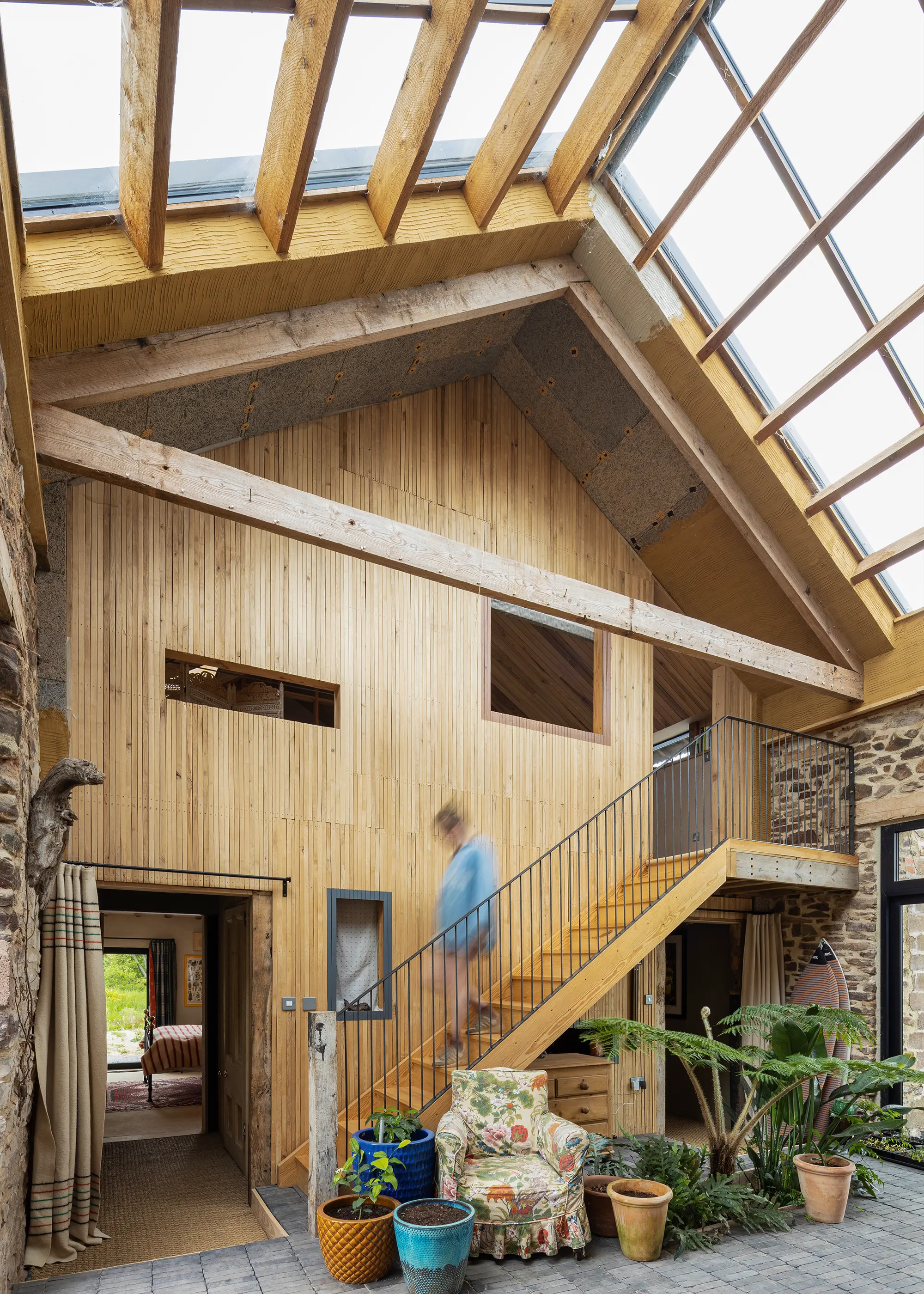
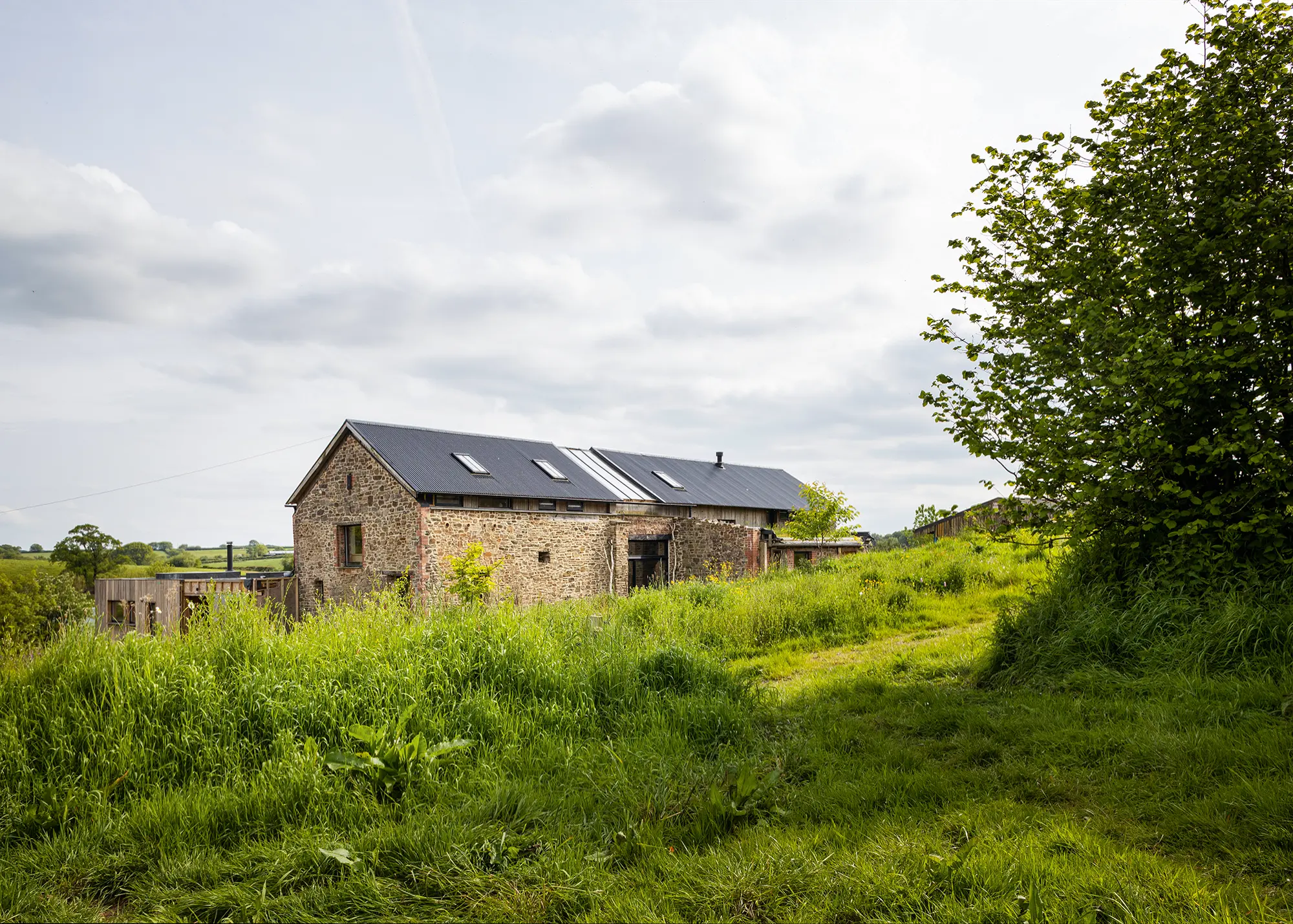
Toby Diggens and his partner, Bella Lowes, converted a derelict barn on a tight budget, transforming it into an eco-friendly family home. The couple chose to complete the project under the international accreditation scheme the Living Building Challenge, which celebrates the wider setting of a building and its ecological impact. Photo: Simon Burt
Get a structural engineer to assess the building and take samples if needed to ensure that you can use the original structure. It is possible to insert new structural members to assist the original if this is needed, but this is going to add to your costs and project schedule.
The engineer should also check that the roof can carry the additional loading of thicker roof make-up compared to the single sheet material that is likely to be present now. If there are timber members, you should also assess for woodworm or rot as the structures would have been left unattended for many years and not maintained.
As with all building projects, you should create a detailed outline brief of what you are looking to achieve. You’ll need to meet minimum space standards for rooms in the structure and I would recommend that you don’t try and cram everything into the space you have.
Typically, these types of projects often have too much space and you need to make sure you create a home not a warehouse. Make the most of the scale of the building and incorporate double height spaces and vaulted zones to living areas.
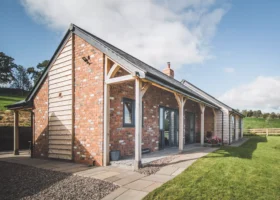
Mailen Design restored this dilapidated agricultural barn in the heart of a small south Oxfordshire village and turned it into a striking, spacious and contemporary home with modern fixtures, fittings and smart home controls. Photo: Peter Landers
As the existing structure could be very large, you do need to break up this space to give character in these voluminous buildings. You don’t need to follow the lines of the external walls so think about angled walls or curved walls to create drama within these spaces. If the floorplan is very spacious, consider incorporating level changes or using different finishes to help better define zones.
Specifying a woodburner for a barn conversion
Michael Coke
Michael Coke is the biomass & electrical development manager for Stovax Heating Group. Mike has 15+ years’ experience in biomass and renewable heating systems, developing high-efficiency stoves and fires. He also chairs the residential solid fuel appliances committee at the British Standards Institute.
Stoves and fires are a natural fit for barn conversions, enhancing the charm of exposed beams and vaulted ceilings. A correctly sized stove complements these large, generous spaces, especially during transitional months like autumn and spring. In contemporary conversions that make use of low-carbon tech such as heat pumps, a stove can deliver an invaluable top‑up of heat during the coldest periods.
For large, open‑plan layouts, larger appliances such as the Stovax Studio Freestanding and Riva2 66 Freestanding are ideal, with the added advantage of direct external air supplies to mitigate the need for vents in the wall going straight into the room.
When installing a stove in a converted barn, safety and planning are essential especially given they are often constructed using combustible materials – a qualified installer will advise on best options for correct flue design.
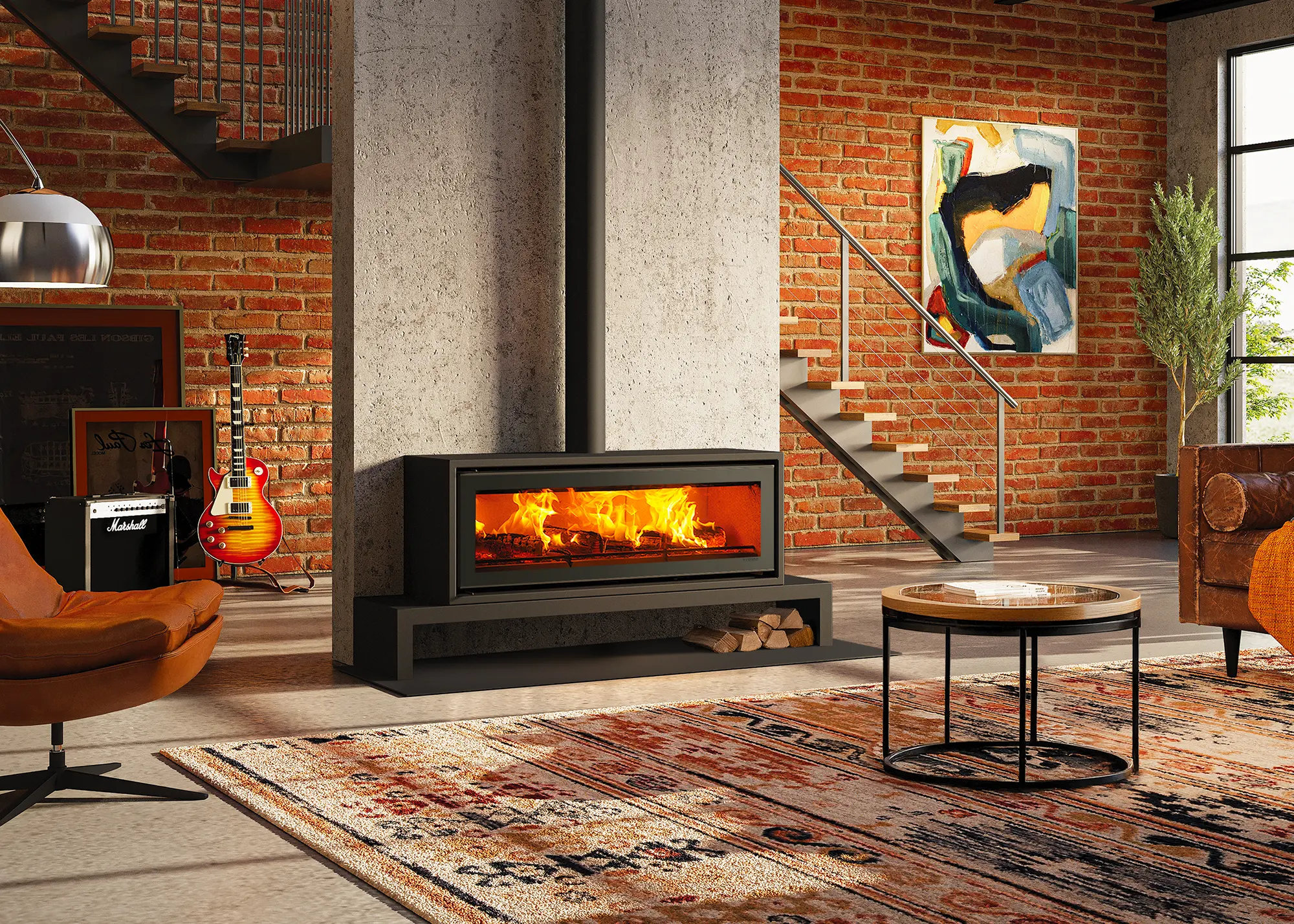
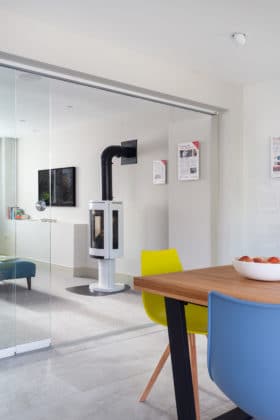
Stovax’s Studio 3 freestanding woodburner
It is worth aiming to have an air supply to the appliance right at the start of the conversion, particularly if it is in a central position within the home. A barn conversion with vaulted ceilings will take longer to heat, so it’s important to find the right sized model for the space. A centrally-located woodburner will help with heating other areas in the house, especially if you then combine with a hot air ducting kit for heating multiple spaces.
Barn conversions are often located in rural areas with good access to firewood. Beyond their aesthetic appeal, woodburners are considered a sustainable heating solution, when sourcing wood responsibly. If you choose to have a log store outdoors for storing your own fuel, it’s worth positioning in a south facing location, where it is sheltered but open enough to let air circulate through the log stacks – plus, this in itself can be a charming aesthetic feature outside a barn conversion!
Factoring in natural light & glazing
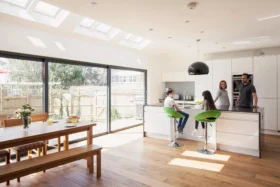
In some barns, the depth of the building can exceed 11m. Getting natural light from just windows across this depth will be a tricky endeavour, so I would suggest that you look at introducing natural light from above using rooflights. There are some deep barns that have had successful conversions by inserting large banks of sleek overhead glazing within the centre of the home’s floorplan, creating a lightwell area to draw natural light into the rooms below.
Creating additional floor levels & storeys inside a barn structure
Usually, barns have quite high ceilings and it would make sense to use this volume to provide more accommodation. However, if you want to gain residential use through the Class Q permitted development route, the additional floorplan you create will count towards your 150m² limit.
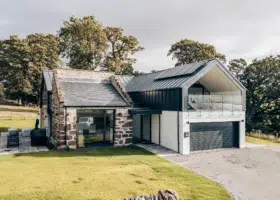
This project in Yorkshire by Vine Architecture Studio, involved strengthening the centuries-old stone and brick structures from the main farmhouse and masonry barns and replacing the rotten timber-framed barns on the site. Photo: Nicholas Worley
Therefore, you may want to think about adding this upper zone later, once the original conversion has been successfully completed. If this is the case, then make sure that your architectural plans incorporate features such as large gable windows, rooflights or roof lanterns and drainage points. These would easily allow for a future floor installation without the need of having to carry out more external work.
Achieving an eco-friendly, energy-efficient scheme
As with any project, insulating the external envelope as much as you can and getting good levels of airtightness will be key in minimising your running costs in the long term and maximising your thermal comfort. Class Q rules allow you to extend the external dimensions of the building by 200mm, so with some thought on detailing, you should be able to create excellent levels of insulation that would match or exceed those of a new dwelling.
You’ll need to provide SAP (Standard Assessment Procedure) calculations and an EPC (Energy Performance Certificate) for your conversion project in order to receive a completion certificate from building control. In typical cases, you would apply a new external envelope to the outside of the structure so you can encapsulate this within the insulation. This will help avoid any protrusions or awkward junctions.
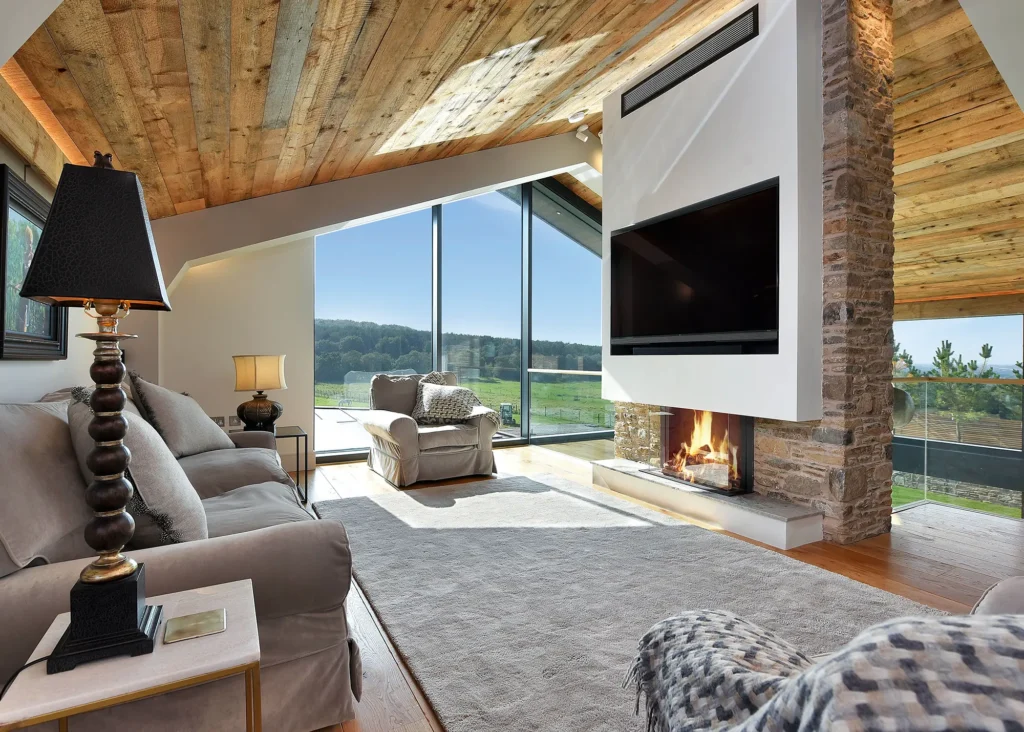
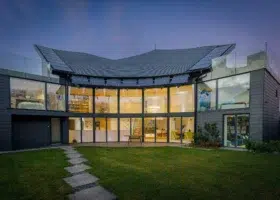
HSSP Architects converted this former barn into a contemporary residence in rural Leicestershire. The fabric of the original barn has been retained and the concrete walls remain in-situ, aside from on the principal elevation where floor-to-ceiling glazing helps to bring in sunlight and views
If the existing structure is too large, you could build an inner skin of walling so the existing oversails the new enclosure. If this is the case, you will need to provide foundations for the walls to sit on and ensure that any structural protrusions, especially steels, that run from inside to outside, are insulated to prevent cold bridging.
Cladding decisions for agricultural conversions
The existing structure is likely to have some cladding already present. Timber is most common but, you may also find metal or asbestos sheeting. Obviously, if it turns out to be asbestos, then you will have an expense in assessing and removing this dangerous material in a safe manner, as this type of work will need to be carried out by specialist contractors. Whatever material the cladding is, it is unlikely that it will provide much thermal resistance, so you need to think how to insulate the original building.
Where the outer walls are essentially a frame you can infill with new insulated timber framed wall units and clad them externally. Whilst you could clad them in any material, I think the materials should reflect an agricultural character, so timber or metal would work well here.
Murray and Lucy Humphries converted a steel frame barn under Class Q rules, turning it into a high-performance home with a new timber frame structure. The home has been finished with timber cladding standing seam. Photo: Alistair Nicholls
If you are considering metal rather than using a timber infill panel, you could use a metal insulated wall panel system like Kingspan Quadcore or Tata Steel products. These tend to be enclosed panels, rather than a layered system which would need to be ratified by building control as these systems will need to prove their fire rating performance. These layered panels might also not be acceptable with your insurers, so make sure to double check with them when you come to picking your system.
With a stone-walled barn, you can greatly improve the thermal performance of the building by adding an internal timber wall with insulation between the studs, and another layer to the inside of the structure.
Opinder Liddar
Opinder Liddar is one of Build It's architectural experts. He is an award-winning architect and a director at Lapd Architects. He specialises in self build homes and renovation projects. Opinder is a regular expert at the National Self Build & Renovation Centre as well as the Build It Live exhibitions. He is also the design brains behind the Build It House.











 Login/register to save Article for later