What is an architectural technologist & can they design your house?
Architectural technologists combine a scientific approach with a practical mindset to deliver homes that balance great design with functionality and performance. While architects often emphasise light, space, and creative concepts – technologists typically focus on the practical elements of constructing a home.
“We deliver the science behind the design and ensure it can be built effectively,” explains Tom Gray, chartered architectural technologist at Robert Shreeve Associates. “We often take a project from the initial plans through to construction on site, handling the technical side of making the vision a reality.”

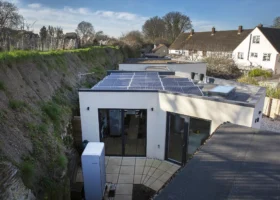
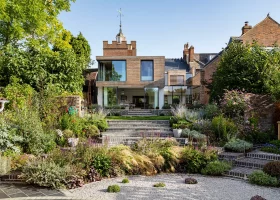
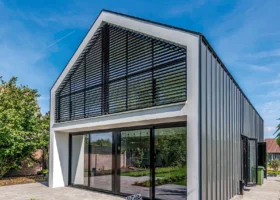
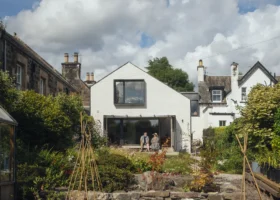
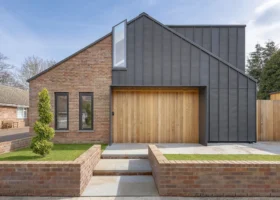
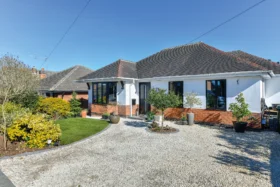
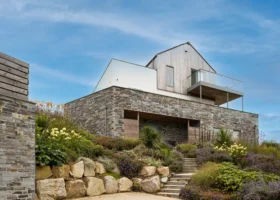
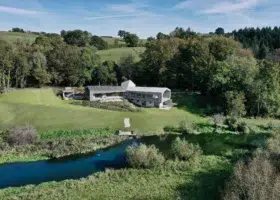
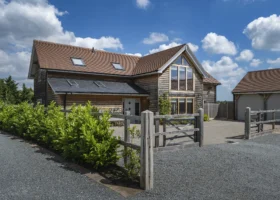
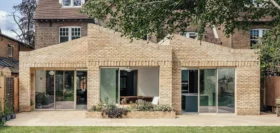
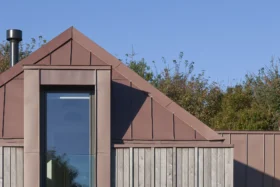
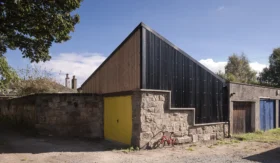
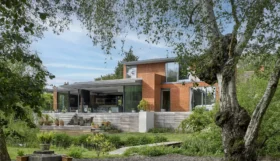
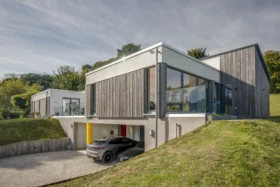
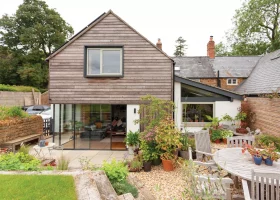
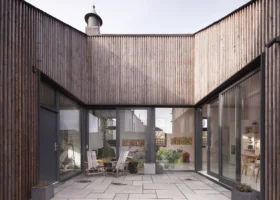
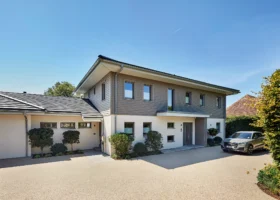
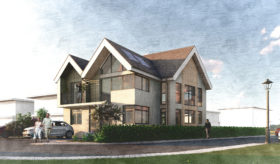
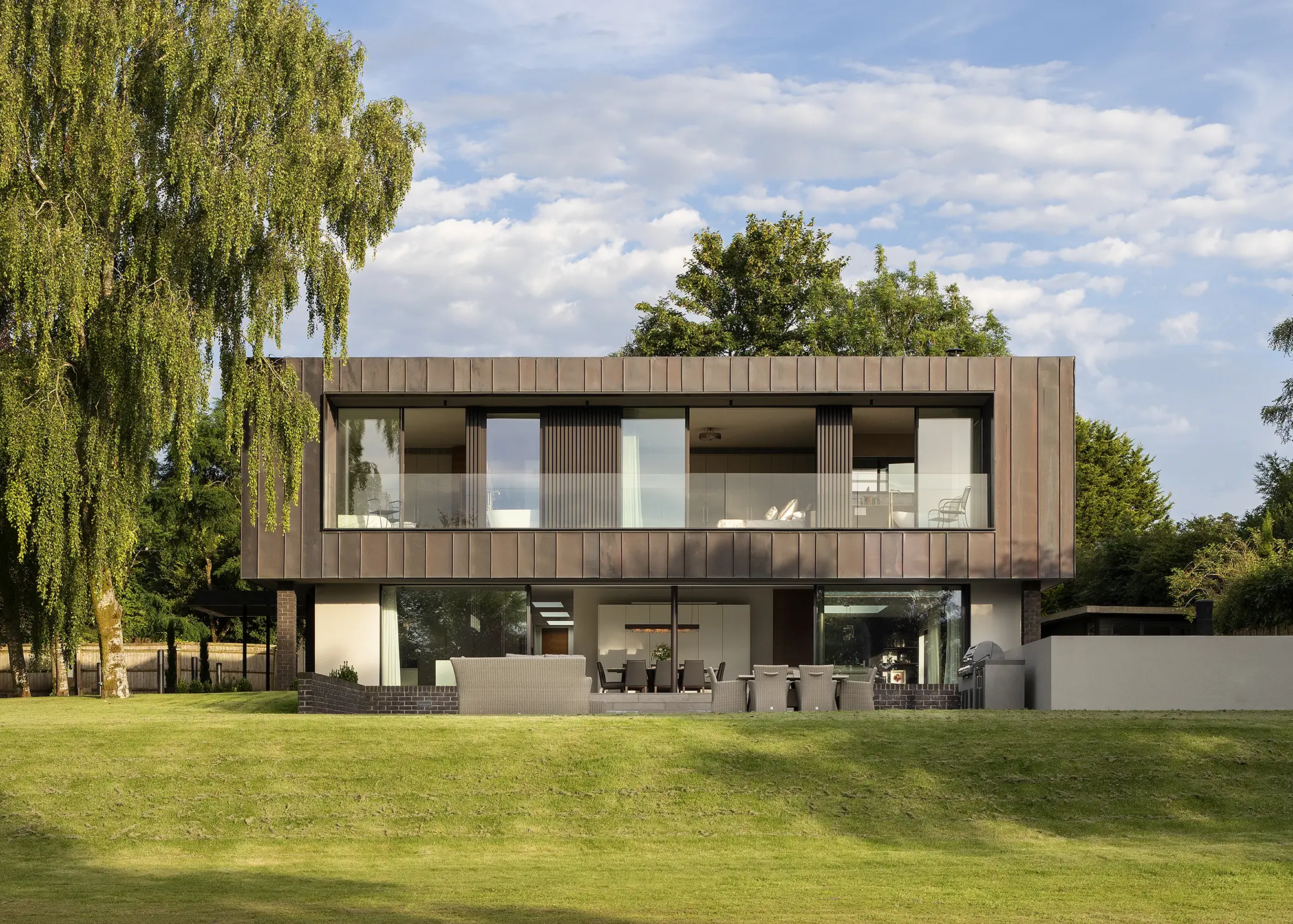
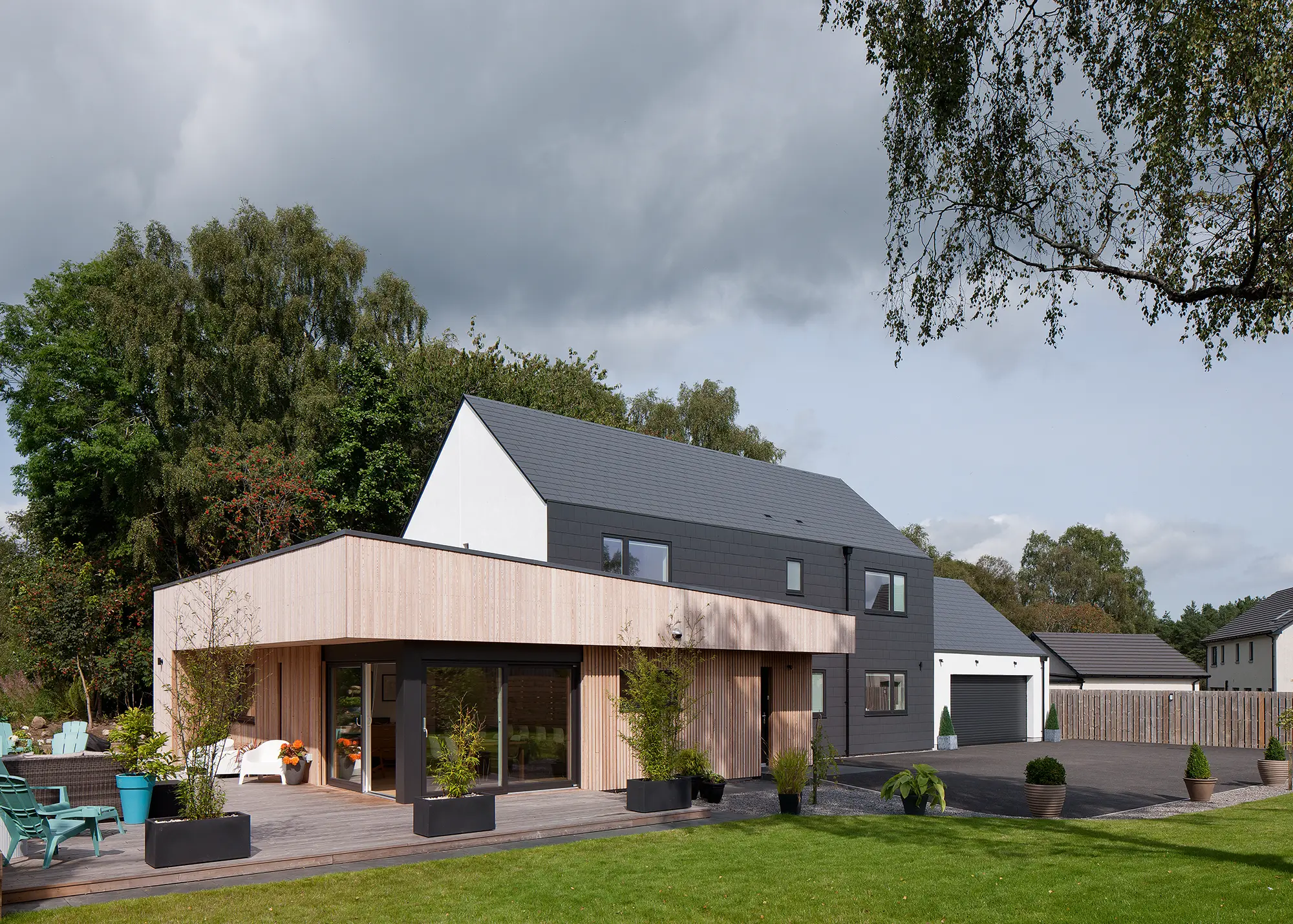
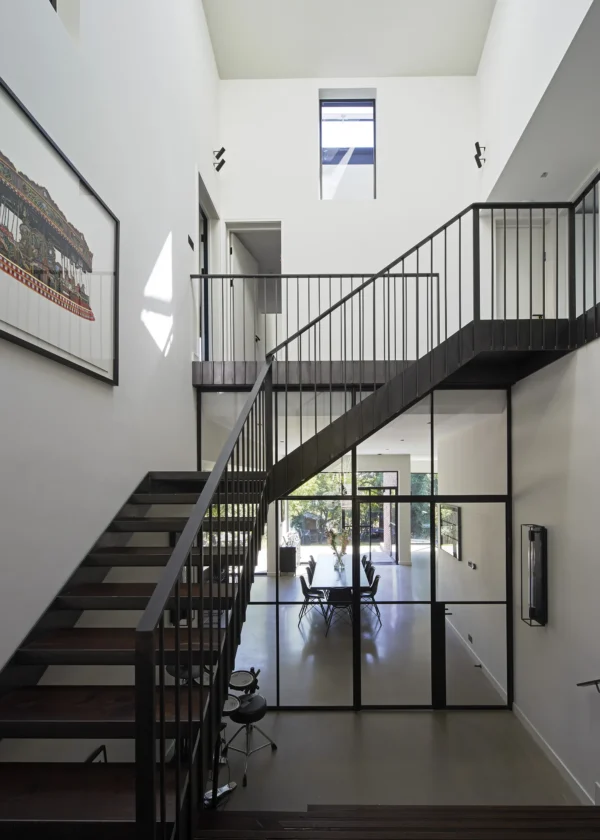
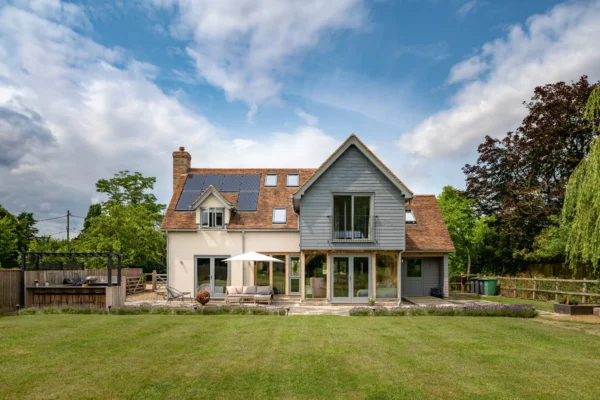
A finalist in the CIAT’s Architectural Technology awards, this eye-catching home replaced an outdated bungalow. The new design by PiP Architecture is a highly- sustainable property with a much larger internal floor area, built within the previous footprint. Cleverly slotting in with its surroundings, from the road, the two-storey dwelling has the appearance of a bungalow as the ground floor is submerged into the gently sloping site
You can engage an architectural technologist to design and deliver your entire project, or you may opt for an architect to develop your initial concept, before engaging a technologist to take this forward to completion. Some designers are accredited under the Chartered Institute of Architectural Technologists (CIAT), offering guidance to professionals and quality assurance to clients.
This construction-minded approach emphasises modern building systems, sustainability and affordability. “Technologists have design flair but are grounded in practical knowledge of the latest technologies and building methods,” says Tom. For self builders, this means a home that is not only beautiful and unique, but also functional and efficient.
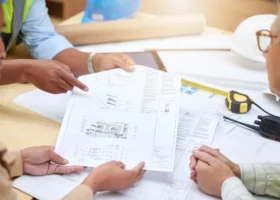
The process closely mirrors that of an architect, who will follow the RIBA framework from initial meetings and concept development, through to gaining planning permission, the detailed design, tendering and on site construction. “It’s a collaborative relationship,” says Tom.
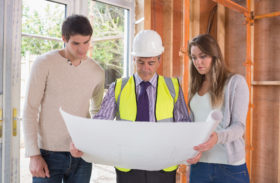
“We work with clients to understand how they live, to ensure the design fits their vision, budget, and site.” You can expect to pay in the same region as you would for an architect, as part of your overall professional design fees.















 Login/register to save Article for later








Comments are closed.