Bungalow Renovation Expert Guide – How to Upgrade a Single-Storey Home
Thinking about undertaking a bungalow renovation? From layout improvements to extension opportunities and energy-efficient upgrades, expert Kate Sandhu takes a look at how to successfully renovate a bungalow and create your dream home
Kate Sandhu
The convenience of single-storey living is a big attraction for many. Bungalows eliminate the need for stairs, making them ideal for people of all ages and mobility levels. They’re also extremely flexible, accommodating open-plan layouts alongside the possibility of extending upwards into the loft or, plot permitting, into the garden. So, a bungalow renovation could seem like a no brainer – providing you with these benefits and the opportunity to create your perfect home.
In terms of efficiency, bungalows offer an advantage thanks to their compact footprint and single-storey layout, which can reduce heat loss, leading to lowered energy bills throughout the year. So, what do you need to know before undertaking a bungalow renovation? Here, I’m looking at the key considerations to set you off on the right foot.
Adjusting the layout as part of a bungalow renovation
One of the simpler, less invasive and cost-efficient ways of renovating a bungalow house is to go for a change in layout, improving the house’s functionality. Single-storey living means that each room’s positioning needs careful consideration, ensuring it has the right level of privacy, space and light. For example, you may wish to locate all social spaces (such as kitchen, hallway and living room) at the front of the house, with bedrooms and bathrooms at the back, for enhanced privacy and security.
Some bungalow house layouts can feel boxy, so removing walls as part of the bungalow renovation can give a sense of space, making them feel much larger and airier. You do, of course, need to ensure that adequate structural support is in place before removing any internal walls. Speak to the right experts and consider incorporating design elements like partial walls, different flooring materials, or varying ceiling heights to delineate various zones within the open space.
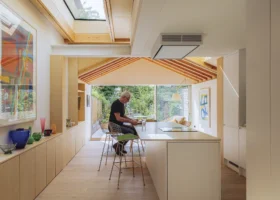
Open-plan living can be a great option, allowing for enhanced natural light and much larger living spaces, such as a combined kitchen/dining/living space. This can be excellent for entertaining and family time as it removes typical barriers between rooms.
With that being said, open spaces are likely to create more noise and you’ll want to consider the impact of sound travel on nearby private spaces. Extra insulation will help counteract this, or you can also opt for softer furnishings such as carpets or strategically-placed bookshelves to absorb noise.sop
Case study 1980s bungalow transformed into a light-filled modern home
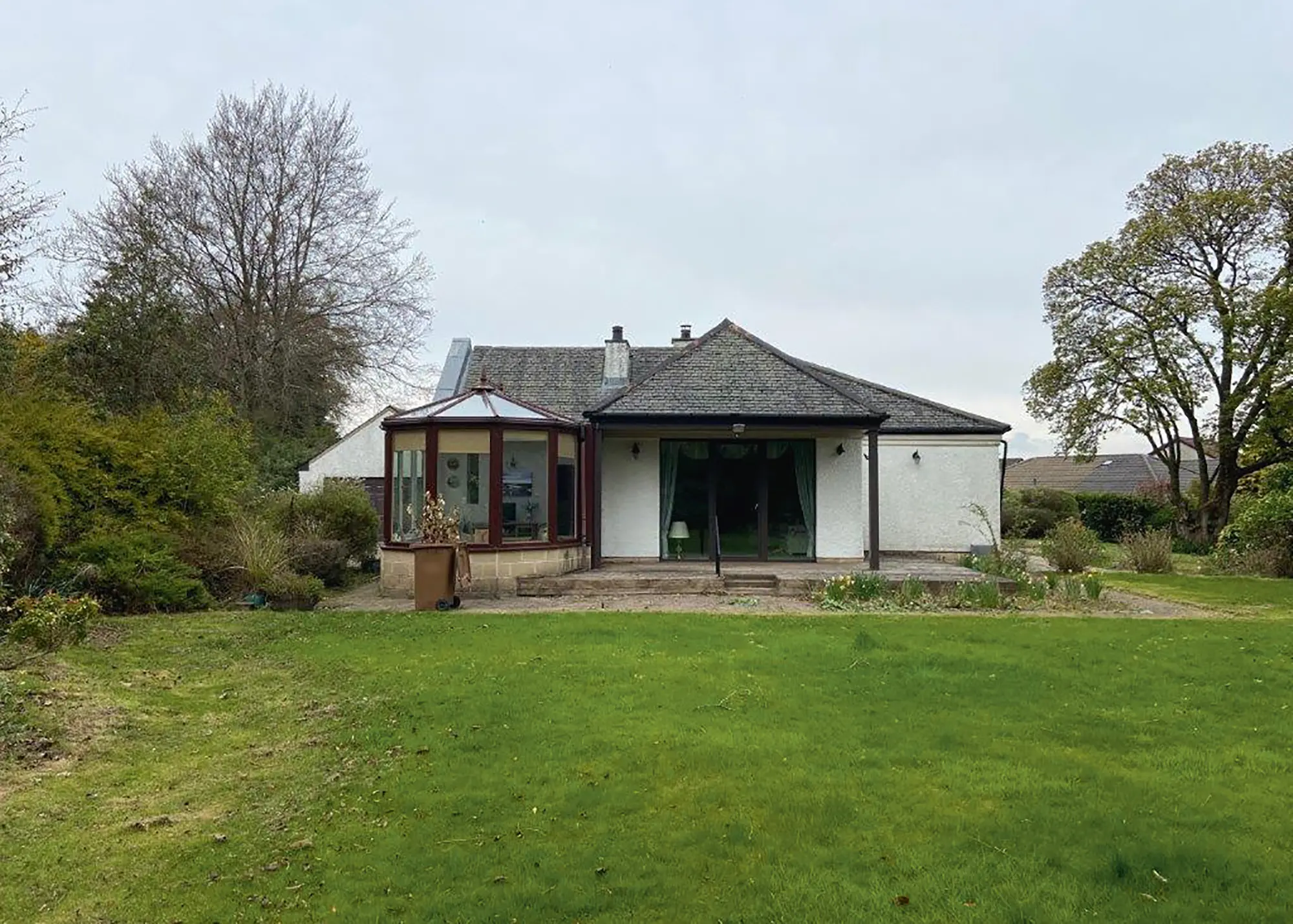
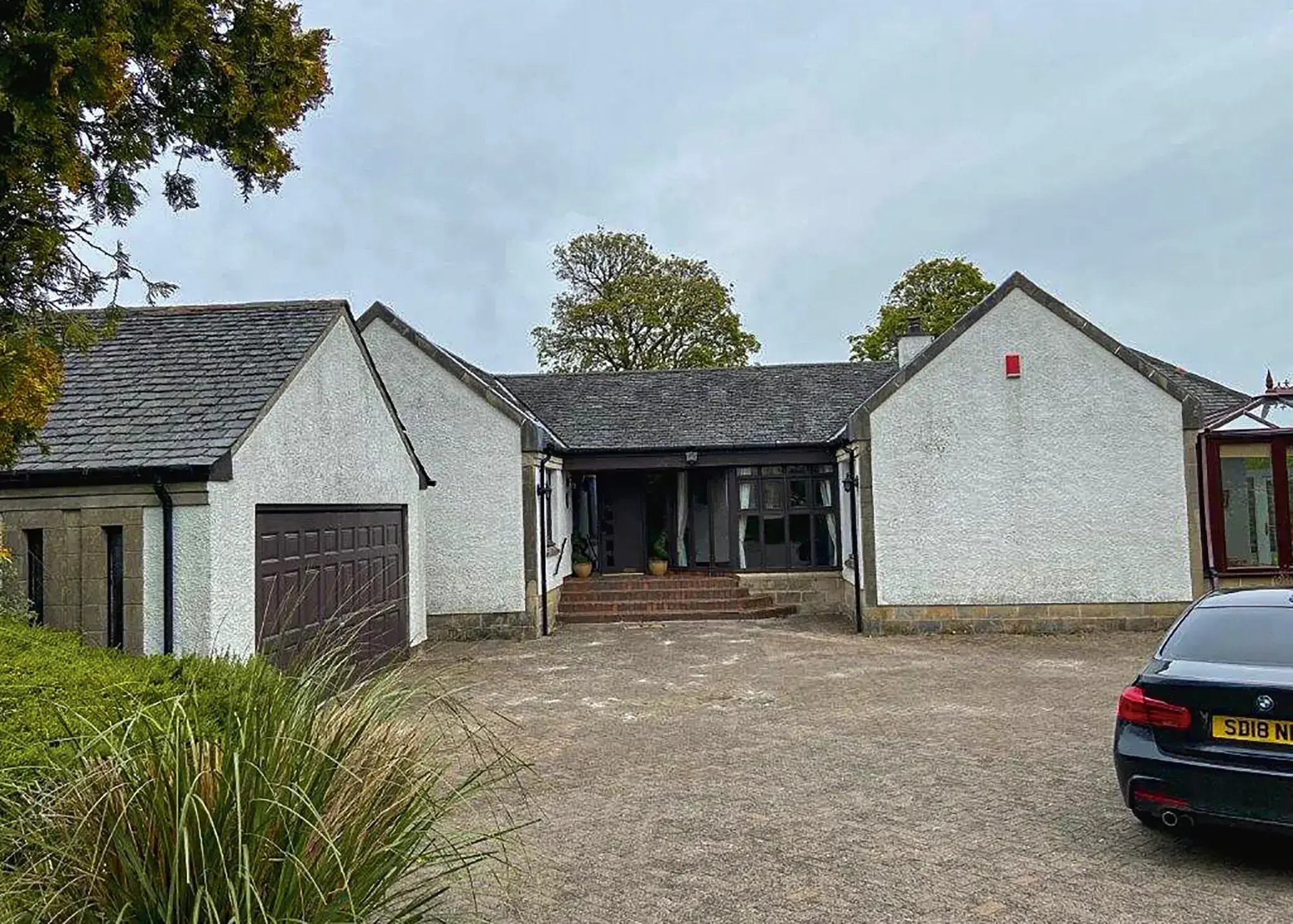
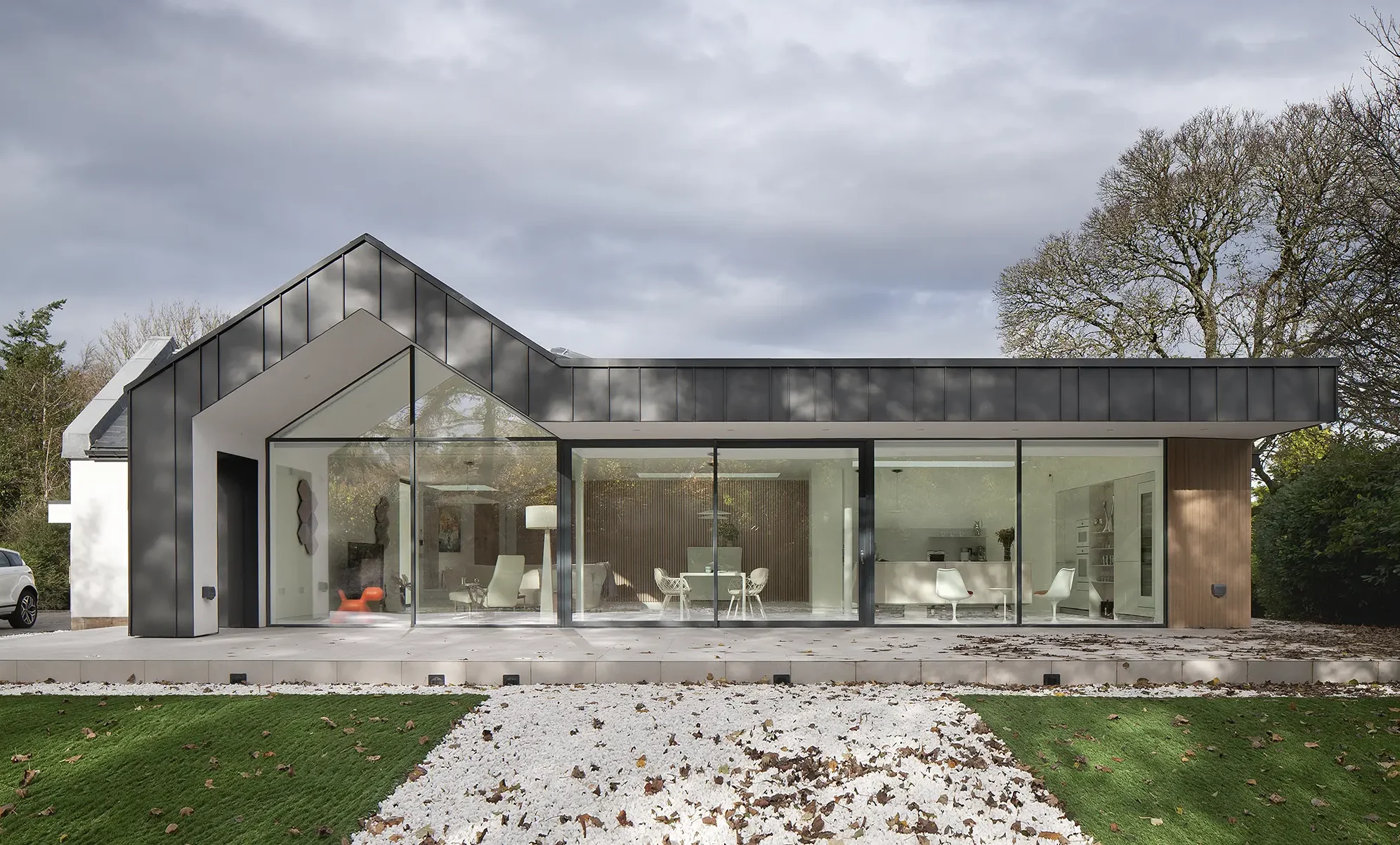
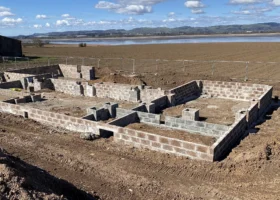
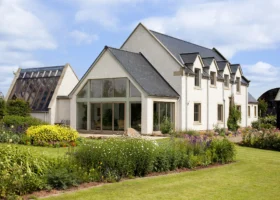
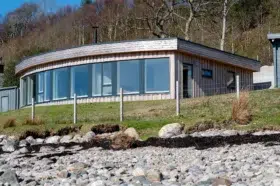
Build It readers Linda and Vic Woods bought a 1980s bungalow on the outskirts of Glasgow, with plans to undertake a renovation that would retain the spirit of the single-storey building. The couple worked with NVDC Architects to create the scheme, which took the floorplan from 150m² to 280m². An L-shaped extension wraps around the house, with the two main bedrooms on the east elevation to catch the morning sun. More than 50% of the external walls were removed and a steel frame was put in to support the roof structure. This allowed for wow-factor architectural details like the glass corner in the master bedroom.
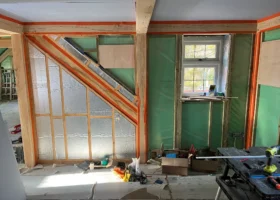
BEFORE
BEFORE
Photo: David Barbour
All the windows were replaced with new triple glazed units from Rationel and the original slate roof upgraded. Having previously had no insulation, all the existing walls have now been insulated from the inside to help create an energy efficient building. An air source heat pump powers underfloor heating and the swathes of glazing have been designed with a roof overhang to limit excessive solar gain.
The project took 43 weeks to complete. So, how much did this bungalow renovation and extension cost? The renovation and extension cost the couple cost the couple £731,000 (£2,611 per m²). This includes:
Adding an extension while undertaking a bungalow renovation
You can, of course, extend the house and add to the floorspace as part of a bungalow renovation. You will need to consider your roofline as adjusting its structure can be expensive. A cost-effective solution could be a flat roof extension, which in this instance, will likely be a separate unit that’s connected to the original bungalow’s roof structure beneath the eaves. This is the simplest solution, as a flat roof extension is self-supporting and easier to achieve than joining the old and new sections seamlessly.
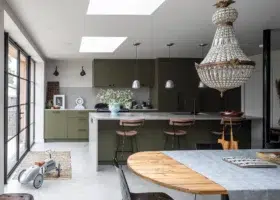
If you extend while undertaking a bungalow renovation, it’s important to consider natural light. Incorporate larger windows, rooflights or even glazed doors to flood the interior with daylight. This not only enhances the feeling of space but also creates a connection with the outdoors.
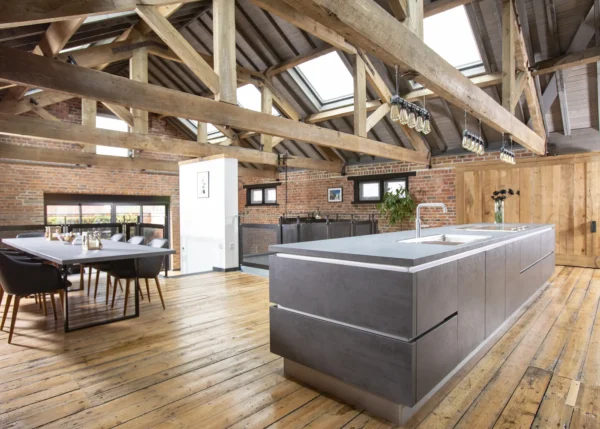
BEFORE Andrea and Colin Mason bought their four-bedroom, one-bathroom bungalow in September 2018. At the time, it was tired and in need of an update, with small, pokey rooms
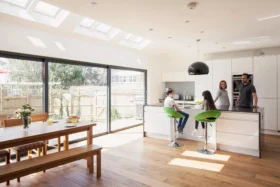
AFTER They undertook a dormer and rear extension, opening out the space to create an open-plan family and living area, which has enhanced the overall functionality of the home.
An obvious way to create more space when renovating a bungalow is to extend upwards and add an extra useful storey. This also negates any need for work on the bungalow’s foundations, provided these are strong enough to hold an additional storey. This will most likely involve the addition of a staircase, as well as the introduction of glazing, such as rooflights or Juliette balconies.
There are a number of different loft conversions on offer for bungalow renovations. Assuming you have the head height required (2.2 metres from the floor to the bottom of the ridge beam), the simplest option is to go up into the existing roof space, creating additional rooms. A big limitation here will be usability of the entire loft due to the apex compromising space, which may also come with layout challenges.
For example, you’ll struggle fitting a full-height wardrobe and other storage features. A more costly and labour-intensive option, but one that provides more functionality (as well as the potential to add more value) is the addition of a dormer extension. This involves creating a flat-roofed addition, extending the space out from your sloping roof to give full head space across the room.
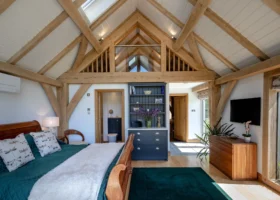
Finally, if a loft conversion does not take your fancy, why not create a high ceiling as part of the bungalow renovation? By opening this up to the pitch of the roof, your bungalow renovation can bring a grand, spacious feel to your home.
Premium Content
Downloadable E-Guide
Build It's loft conversion downloadable e-guide takes you through the essential considerations, from costs to an estimated project timeline. Click below to find out more.
Upgrading a bungalow’s exterior is a fantastic way to completely transform its presence on the street scene and boost its kerb appeal. “Windows on older bungalows are likely to have standard head and sill heights. A simple, non-structural adjustment is to lower the sill, but keep the opening at the same width,” says Opinder Liddar, director at Lapd Architects. “This means that the structural lintels above the windows can stay the same, but you’ll benefit from better light in and greater visibility out. If your project involves more intensive structural changes then it’s worth increasing the openings’ size, perhaps replacing them with glazed doors,” he says.
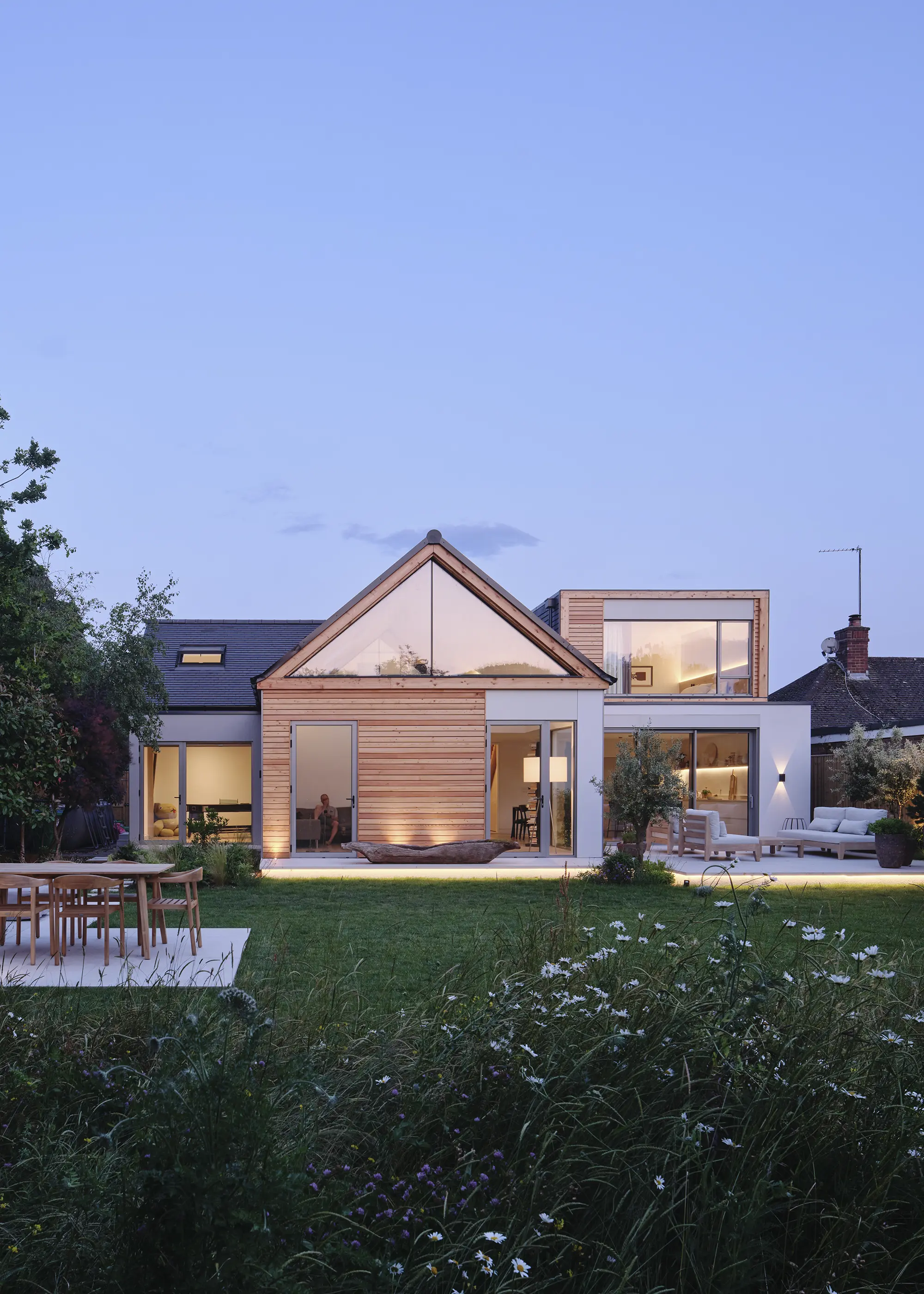
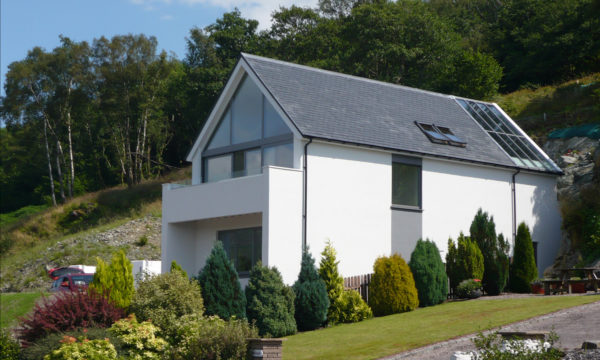
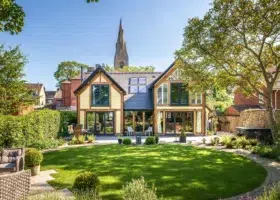
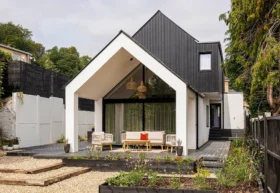
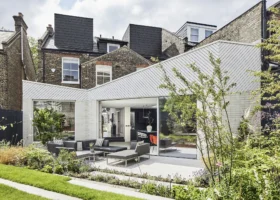
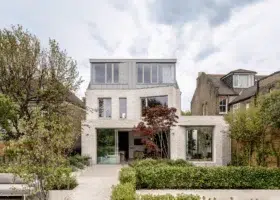
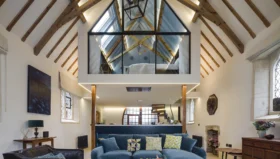
Nestled into a cul-de-sac in South West London, this once-vacant 1960s bungalow has been extended and renovated to create an open-plan, efficient family home. The design, by Sophie Bates Architects, involved converting the garage, adding a two-storey side extension and a dormer loft space. A new, double-height living area on the ground floor is flooded with natural light via a glazed gable end. Photo: Simon Kennedy
“Updating the front door is a simple way to get a contemporary look; choose a unit that works with your new glazing. A front porch will help to break up long, flat elevations, as will the addition of bay windows,” says Opinder.
“Consider tall, floor-to-ceiling glass doors and large windows to enhance the home’s relationship with the outdoors, improve access to natural light and create a sense of space,” says Sophie Bates, director at Sophie Bates Architects. External artificial lighting features can make a charming addition to the house’s exterior facade and garden, creating an atmosphere in the evening.
Featured experts
Opinder Liddar
Director at Lapd Architects
Opinder Liddar is one of Build It’s architectural experts. He is an award-winning architect and a director at Lapd Architects. He is a regular expert at the National Self Build & Renovation Centre as well as the Build It Live exhibitions.
Sophie Bates
Director at Sophie Bates Architects
Sophie Bates is director at Sophie Bates Architects. The London-based architecture studio delivers innovative, contemporary and sustainable homes, tailored perfectly to the homeowners’ unique lifestyle.
Many bungalows were built in the 1930s and ’40s, and yet more from the ’60s onwards. Whilst these properties are often sturdy, they won’t achieve the efficiency standards of today’s new build homes. However, there are several ways you can improve the property’s thermal performance as part of the bungalow renovation:
Wall insulation
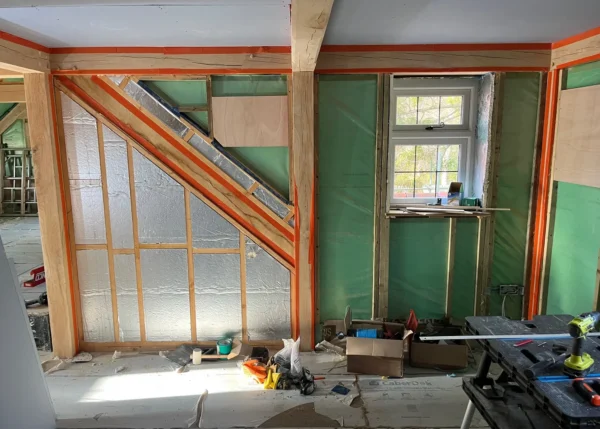
Adding wall insulation is an obvious upgrade for an efficient bungalow renovation, but it’s important to consider when your home was constructed and the type of walls you have. If you have solid walls, the structure will need to breathe and so you will need to insulate correctly to enable air circulation (for instance, using natural materials such as wool, or building a timber frame with an air gap), helping to avoid condensation and mould issues down the line.
Floor insulation
Earlier bungalows were built with suspended floors, meaning there’ll be a gap beneath them to fill with insulation. Breathability is key when renovating a bungalow like this and materials such as mineral fibre can be effective but this usually means lifting your boards. Newer floors tend to be solid (ie concrete). They’re less prone to heat loss but can still be insulated by adding a foam layer on top, for example, and covering with chipboard.
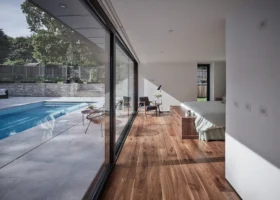
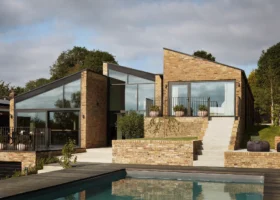
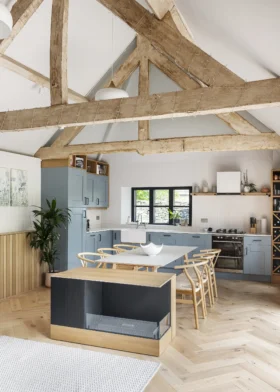
Charlie Luxton Design remodelled and refurbished this mid-century modern bungalow on the edge of a village in Buckinghamshire. Working with the existing building’s fabric, the internal layout was rearranged to open up the spaces and improve the connection to the terraced garden and surrounding countryside views. Photo: Ed RS Aves
Loft insulation
Upgrading loft insulation is a quick win to increase thermal performance when undertaking a bungalow renovation as your loft space is often easy to access and will be a key area for heat loss. There are three main types of loft insulation. These are blanket, loose fill and blown – each suit different kinds of loft space and budget.
Good quality glazing
Glazing that’s well-installed can greatly improve a home’s performance. If upgrading or replacing windows isn’t an option, you can introduce measures such as secondary glazing or draughtproofing as part of the bungalow renovation.
The best ways to add value to a bungalow when renovating
Whilst it’s important to make changes to your home that you can enjoy, it’s also critical to consider those that’ll add value. Here are the key projects to consider:
Single-storey extensions
Single-storey extensions can be valuable, especially when expanding living/dining areas and improving the flow between indoor and outdoor spaces. They’re a cost-effective way to add significant square footage and are often easier to obtain planning permission for than two-storey additions. On the other side, an extension can reduce garden space which can impact future sales if not done effectively.
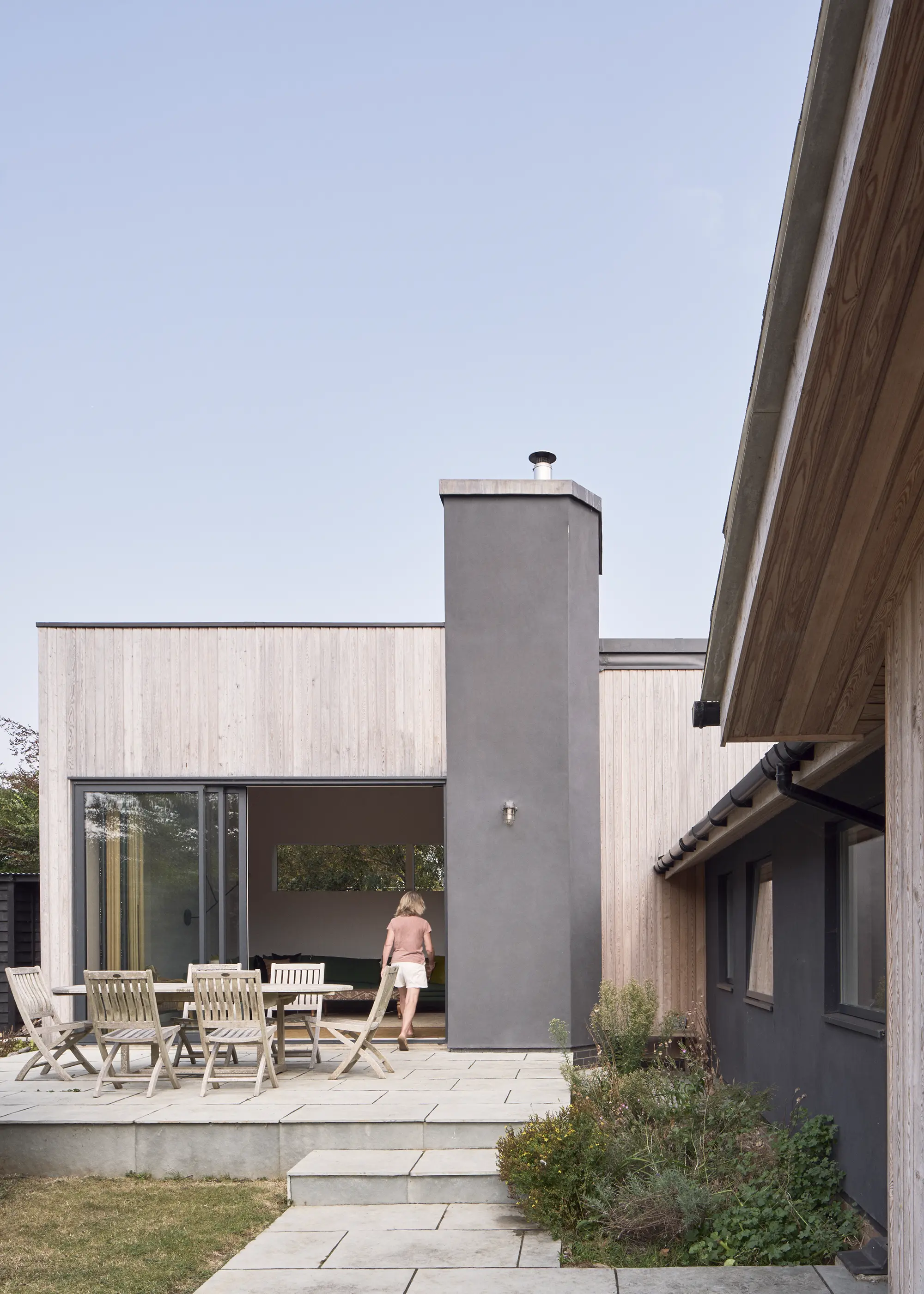
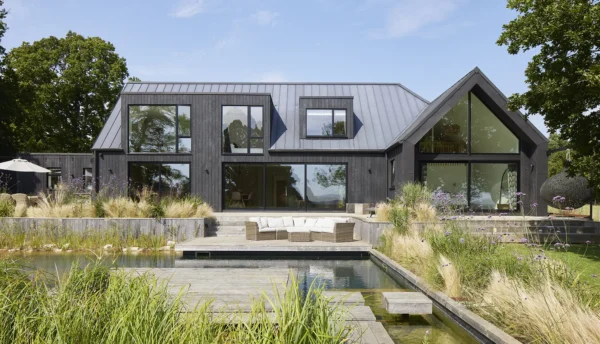
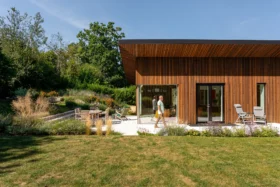
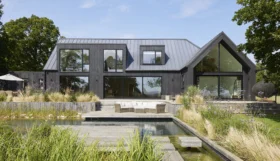
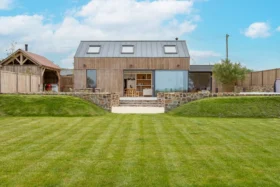
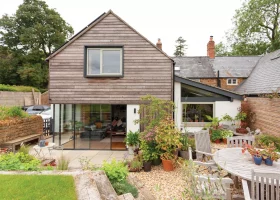
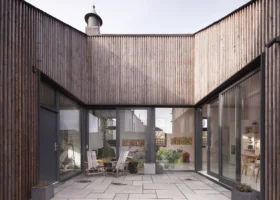
Masterminded by Mole Architects, this bungalow extension and renovation in Suffolk has completely transformed a tired building into a spectacular home. The house is connected to the outdoors via a set of IDSystems sliding doors, and has been finished with Russwood’s cedar cladding; a sympathetic exterior facade option. Photo: Nick Guttridge
Double-height extensions
Adding a double storey extension is potentially the highest value project, but also the most expensive option. Whilst it can double your living space, it can be a complex and disruptive construction process, requiring significant structural alterations and therefore carrying greater risk.
Converting the loft
Loft conversions are often less complex and at times, may fall under permitted development. However, head height restrictions means there is a limit in terms of the maximum space and value they can add. Consider adding dormers to maximise space.
Adding a porch
Porches are generally a lower-value project, but equally, are less complex and can be completed on a smaller budget. A good porch extension will boost kerb appeal, provide weather protection and create a defined entrance, although they won’t enhance the living space and could still require planning permission.
Creating a balcony
Balconies and other stand-out features can help take advantage of great vistas. Just be mindful that these are usually subject to planning permission, which can increase complexity and costs.
Upgrading the exterior cladding
Rendering your bungalow or upgrading the exterior cladding with timber boards, for example, can help modernise the structure and improve its visual appeal, which could in turn increase buyer interest.
Your bungalow renovation costs will depend on a number of factors such as location, materials and the extent of works needed. For example, adding new space and foundations, or underpinning existing foundations as part of a bungalow renovation will of course be more expensive than simply changing the layout.
On average you should expect to budget the following for a bungalow renovation:
For an entire bungalow renovation, including a basic loft conversion, you should look to budget around £1,500 per m². This includes labour and materials of an average specification.
A simple loft conversion, with compromised headroom, could start at around £50,000, assuming you opt for lower-end window solutions.
A dormer loft conversion as part of a bungalow renovation is likely to start at £70,000, again assuming basic glazing fixtures.
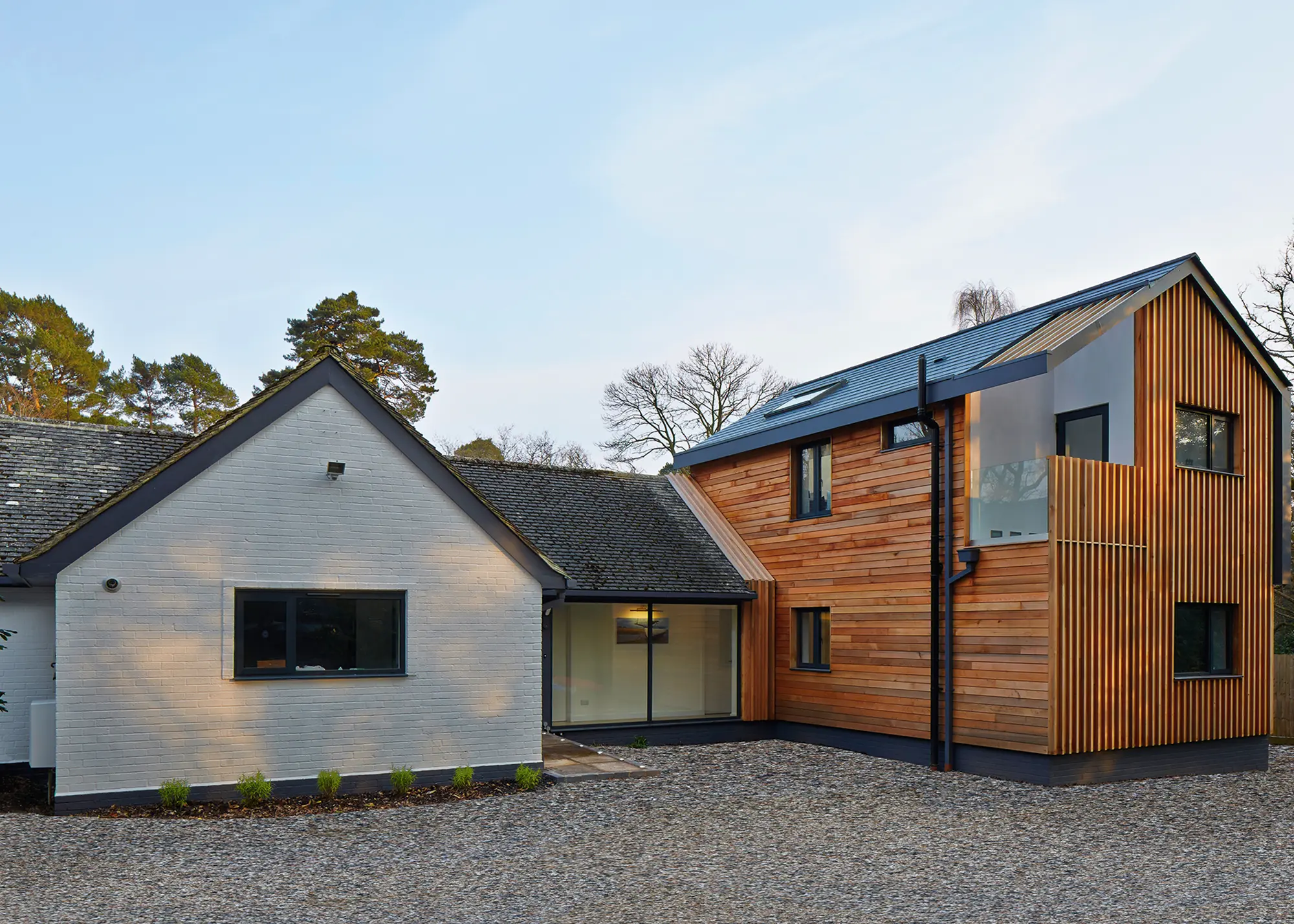
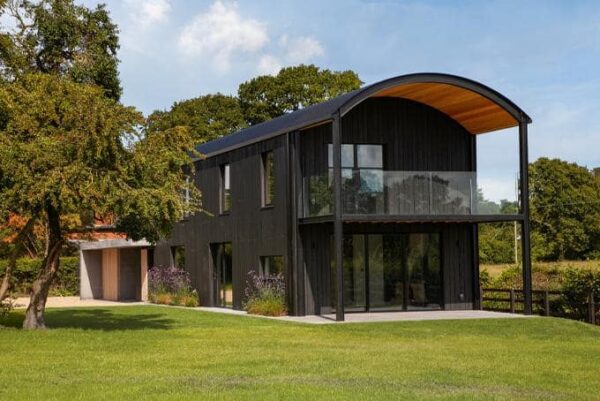
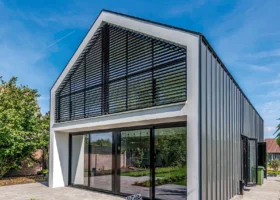
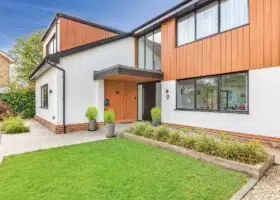
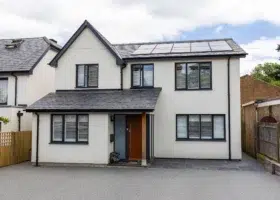
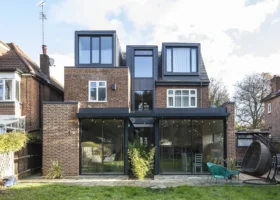
This 1950s bungalow was too small for the young family living there, so they brought in LA Hally Architect to design a large two-storey extension. The addition features a contrasting exterior palette of timber cladding and big windows
As with any home improvement project, though, it’s tricky to pin down bungalow renovation costs until you really get into the job. To help you budget effectively, it’s important to note how the following areas can impact your total project costs:
Structural work
Foundation repairs/improvements are hard to predict when undertaking a bungalow renovation. If you are reinforcing the house’s foundations then cost will depend on the extent of the work required, soil conditions, and accessibility.
Roof alterations/extensions
This will depend on quality of the existing roof, the pitch, materials used (ie tiles, slates) and complexity of the design.
Wall removal/addition
Where we have talked about open-plan living or internal reconfigurations, costs can escalate when structural support requirements are more in-depth. For example, moving supporting walls as part of the bungalow renovation will increase costs versus stud walls.
Plumbing and electrical upgrades
Issues related to plumbing etc (such as broken drains or a need to move soil pipes) can significantly impact how much your bungalow renovation costs and the project’s timeline. The age of your house’s existing systems can also influence this.
Finishes, fixtures & fittings
Overall, the specification of fixtures and fittings can have a huge impact on costs, though these are more under your control. Kitchens and bathrooms often make up large chunks of a budget, and can vary widely depending on quality and specification.
A top tip for keeping your bungalow renovation as budget-friendly as possible is to source items and have someone install them separately, as this costs much less than paying someone for an entire bathroom suite and installation service, for example.
Always ensure you get multiple quotes for the bungalow renovation works and do not be afraid to challenge costs to fully understand what you’ll be paying for before committing. Remember that unforeseen issues often arise during home improvement projects, so it’s wise to factor in a contingency of at least 10-20% of your total bungalow renovation budget.
Bungalow renovation FAQs
How can I futureproof while undertaking a bungalow renovation?
It’s a good idea to consider futureproofing while undertaking a bungalow renovation, especially if the house is going to be a forever home. You should look to prioritise layouts, doorways and floor thresholds to ensure an accessible space that will grow with you. “In many cases a switch to electric heating as part of the renovation will be the best future-proofing option,” says Build It’s period property expert Alan Tierney. “Usually that means a heat pump, though there are other options such as dynamic storage heaters. Provided the underlying thermal performance work has been done, the constant, low-level heat provided by these systems, especially with underfloor heating, works well in traditional buildings, benefitting from the high thermal mass.”
Alan Tierney is Build It’s period property and conservation expert. He ran a historic building consultancy, offering hands-on advice to the owners of heritage homes, but is now focused on renovating Old Barnstaple House.
Is it better to renovate or knock down and rebuild a bungalow?
It will depend on your design goals, the existing home’s condition and the site’s planning rules. If the layout is fine but the house is not very thermally efficient, it could just be a case of improving the insulation and making good the finishes.
If you need more space, an extension could be needed along with some remodelling to perhaps open up a larger living area and introduce a kitchen diner. If you’re trying to improve the kerb appeal, it might be necessary to alter the facade with new windows and claddings to achieve a modern look. But bear in mind, the further you go, the greater the expense and the more likely a knock down and rebuild could be a better option.
Mark Stevenson has worked as a construction professional for over 35 years and is a serial self builder. He runs project management consultancy Elsworth Projects and, as chair of NaCSBA, advocates for the interests of self builders and contributes to the success of the emerging custom build industry.
Are heat pumps suitable for bungalow renovations?
If you’re considering a heat pump, you need to address the house’s thermal properties and existing heating distribution system. Heat pumps extract heat from the air or ground and concentrate it. They operate at around 250%-350% efficiency, meaning they generate more heat energy than they consume. Heat pumps work best in highly-insulated homes alongside larger heat emitters, such as underfloor heating, which function better at lower temperatures. Bungalows often have larger, more open-plan living spaces, and so make retrofitting systems such as underfloor heating slightly easier. Currently, the Boiler Upgrade Scheme (BUS) offers a £7,500 rebate on heat pump installations.
How can you bring more natural light into a bungalow?
Bungalow renovations tend to involve extensions, adding more space to the rear of the property and often creating a larger open-plan kitchen-diner. “You should always consider the levels of natural light you’ll get – you may end up with very dark rooms in the original building if you have not thought through the whole scheme,” says Opinder Liddar, director at Lapd Architects. “Try to incorporate rooflights, lanterns or lightwells where practical to pour sunshine into the central parts of the house. These top-down solutions will yield more natural brightness than conventional windows.”
“Balance the light by introducing glass doors at the entrance and other glazing on the rear elevations. Large bifold or sliding doors at the back of the bungalow extension work well to achieve this so that you are not reliant on artificial light during the day,” says Opinder.
Answered by Opinder Liddar
Opinder Liddar is one of Build It’s architectural experts. He is an award-winning architect and a director at Lapd Architects. He is a regular expert at the National Self Build & Renovation Centre as well as the Build It Live exhibitions.
Do I need an architect for a bungalow renovation?
While an architect isn’t completely necessary, you may benefit from their insight and experience and relationship with local planning department, if you’re undertaking a more extensive bungalow renovation or extension. An architect can help you unlock the existing house’s untapped potential and ensure the outcome works for you and your specific lifestyle. They can also take on project management duties – coordinating trades, timelines and deliveries to site. For more straightforward projects an experienced main contractor may be a good, cost-effective solution.
Kate Sandhu
Kate Sandhu is a renovation pro, helping others to understand the process and save as much money as possible via her home renovation course. She shares a wealth of knowledge, as well as DIY tips via her blog renovatelikekate and Instagram account.




























 Login/register to save Article for later