5. Choose a structural system for your home building project
Timber frame, SIPs, oak frame, brick and block or ICF – which is the right structural system for your self build? Here are the pros and cons of the different options:
Timber frame
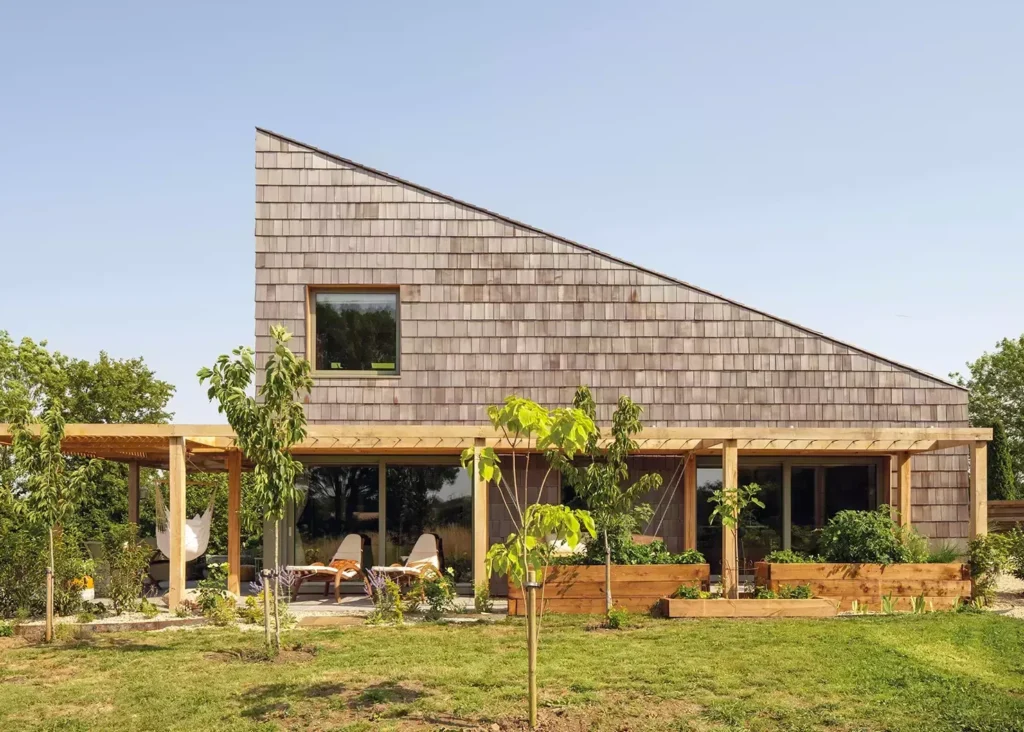
Timber frame is able to create highly-efficient, low-energy bespoke homes. It’s also an ideal system for supply-and-erect packages, where one company delivers your home’s structural kit and assembles it for you on site.
Open and closed panel timber frames are most common – the difference being the
level of prefabrication done in the factory. The former arrives to site without insulation (though it may be supplied as part of the package), while closed panel systems are insulated and sometimes complete with windows, services and cladding before
arriving to site.
Timber frame offers quick build times, too, both in the factory and on site – expect around 12 weeks for the structure to be manufactured and as little as 5-10 days to erect it.
YOUR GUIDE TO timber frame

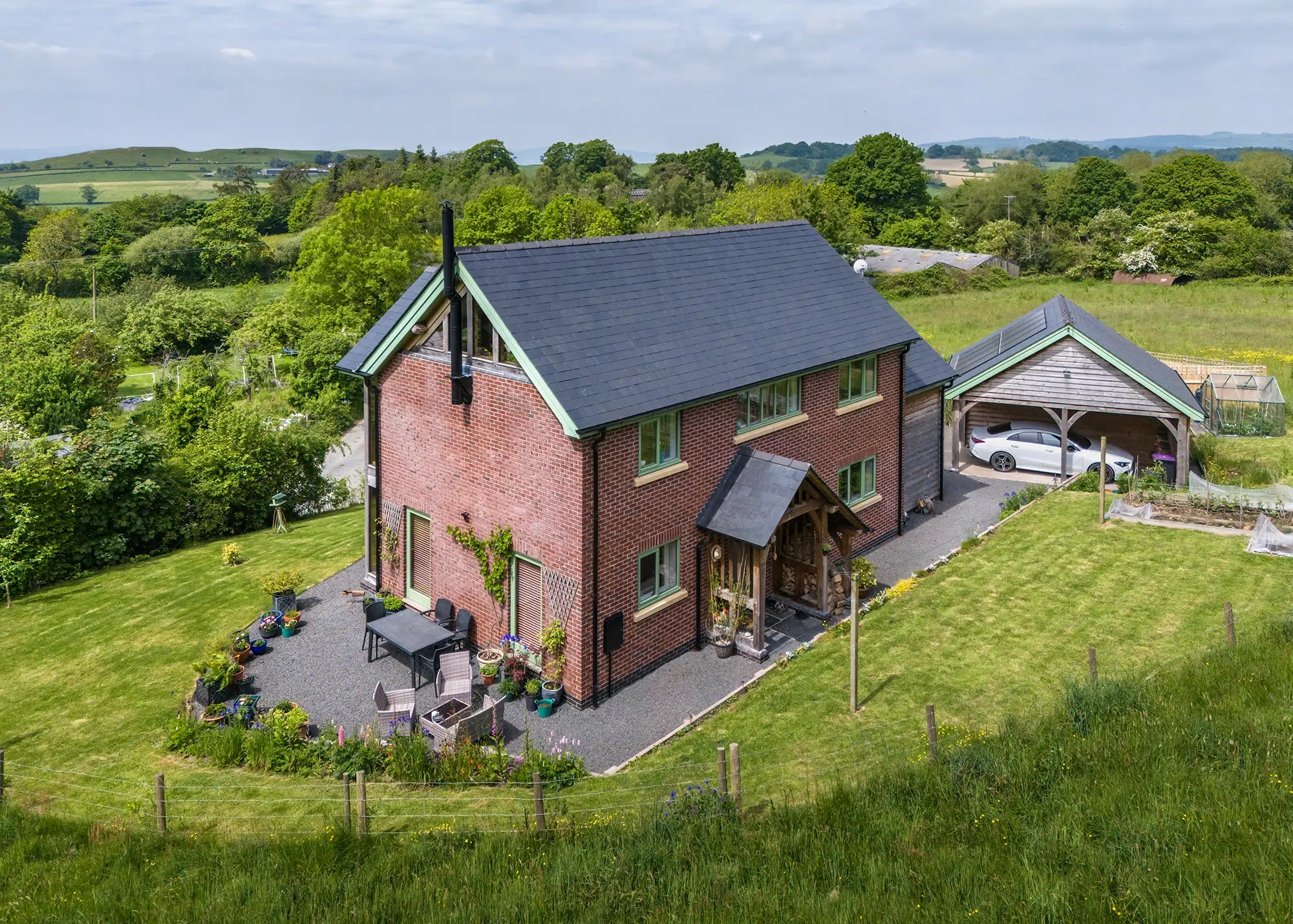
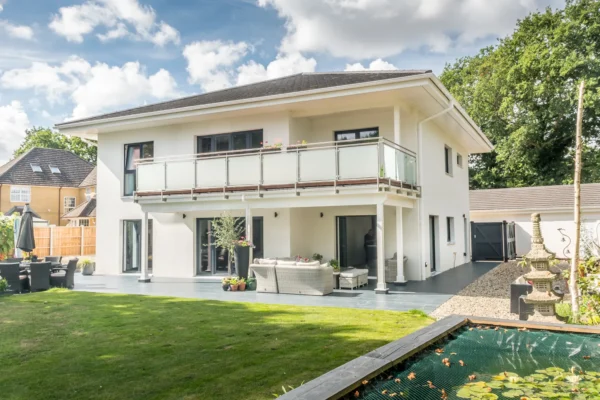
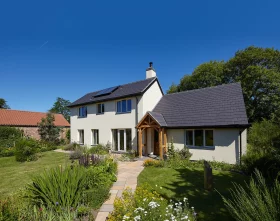
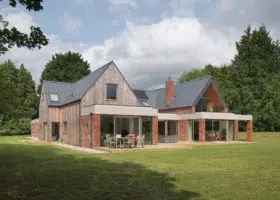
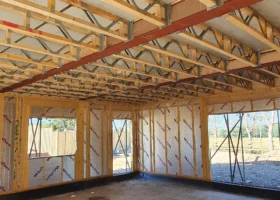
Rod and Trudy enlisted Cambridgeshire-based timber frame supplier Potton to design and erect their home’s timber frame superstructure, including the installation of the closed panel system, which was prefabricated offsite with the insulation built-in. The 237m² house cost a total of £454,628. Photo: Potton
Oak frame
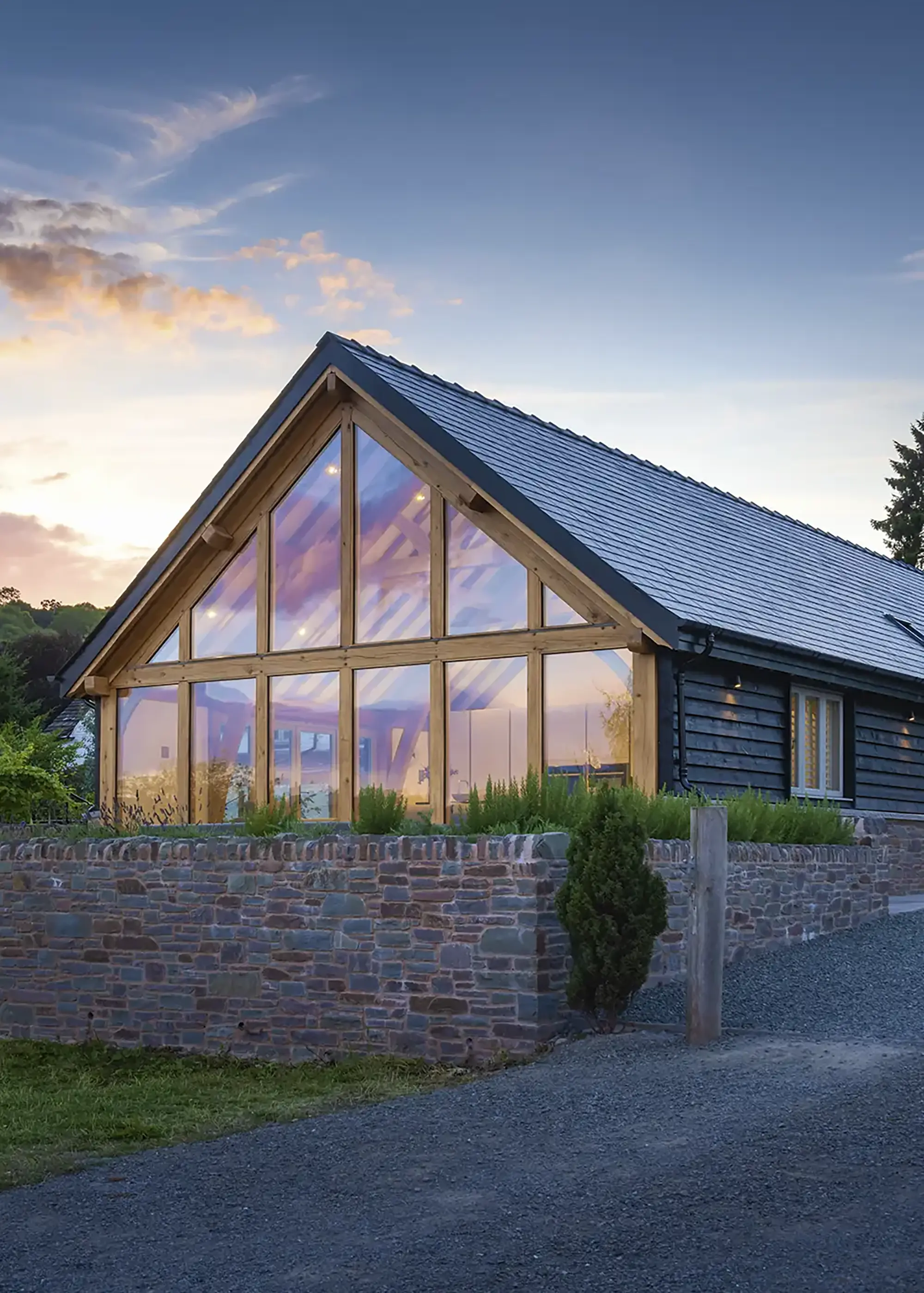
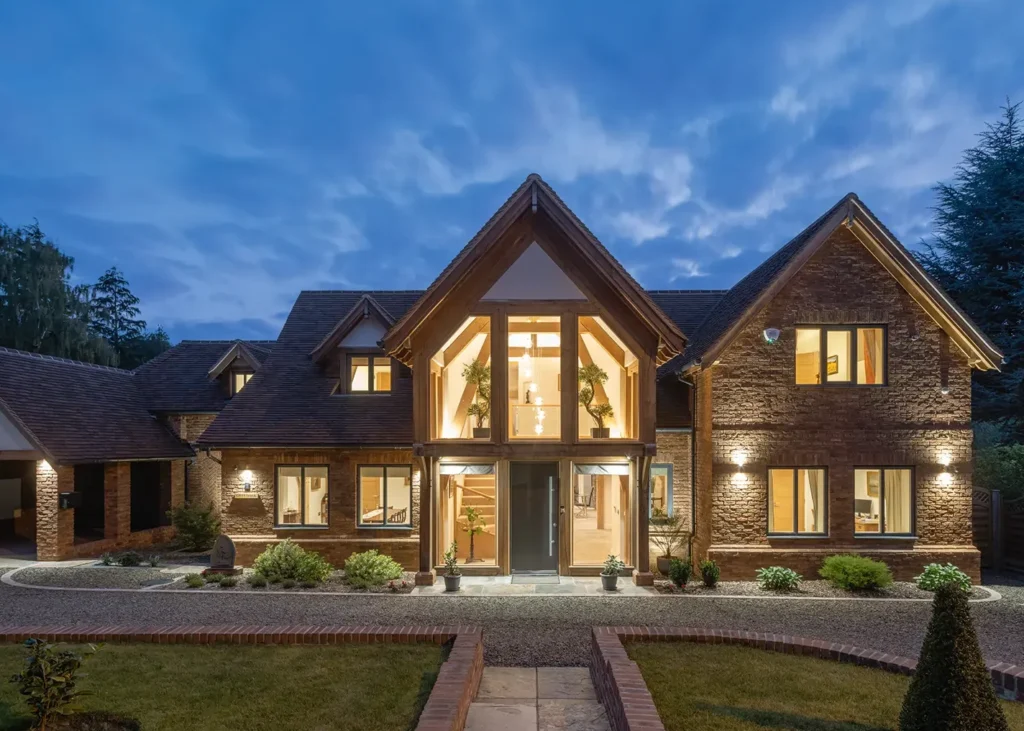
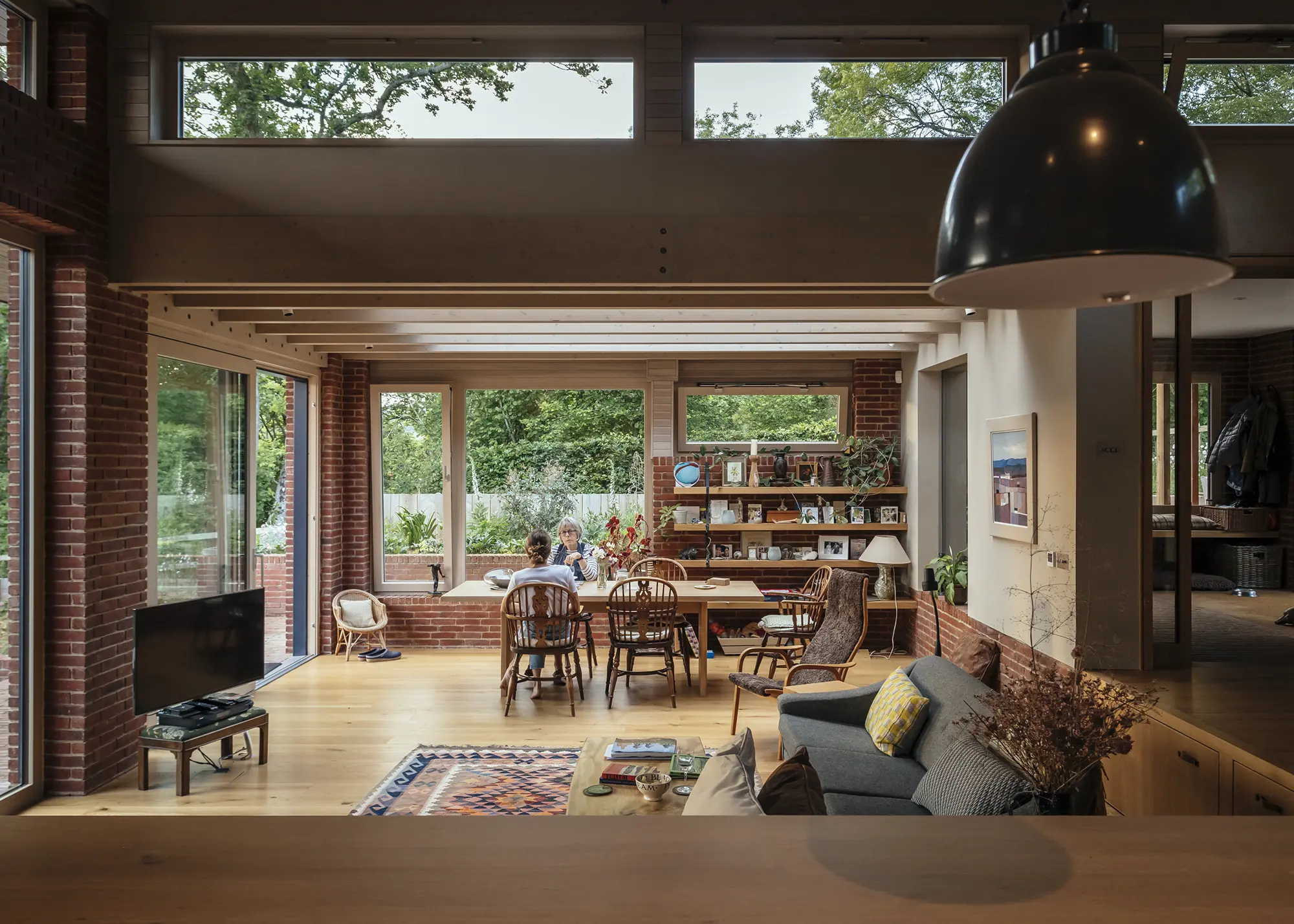
Oak frame is a perfect option for those looking to create a home that combines timeless character with modern efficiency levels. Most oak home suppliers tend to have in-house or partner architects who will help you either draw up a bespoke scheme or adapt one of their designs to your site.
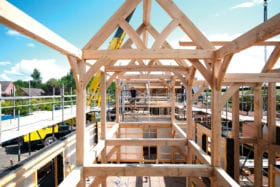
Contemporary oak homes comprise a structural skeleton, including the walls, roof and floor joists. They’re fabricated in a factory or workshop and are speedy to build – some taking just two to three weeks once on site. The skeleton will then be encapsulated with insulating panels, creating a highly airtight building envelope.
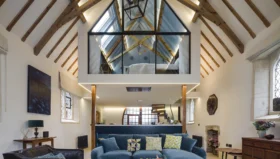
One of oak’s main attractions is the ability to turn the frame into an impressive
design feature. For example, leaving the oak trusses exposed throughout your home
or filling part of the skeleton with glazing (such as a gable end).
YOUR GUIDE TO Oak frame
Structural insulated panels (SIPs)
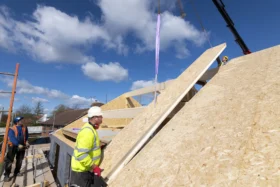
SIPs are formed of an insulated foam core, sandwiched between two flat pieces of oriented strandboard (OSB). This makes for a very lightweight and airtight prefabricated structure that’s speedy to assemble.
As SIPs are so strong, they can be used to form walls, ceilings, floors and even truss-less roof spaces – a great option if you’re looking to maximise living space in your new home with a pre-insulated room-in-the-roof, or to create wow-factor vaulted ceilings.
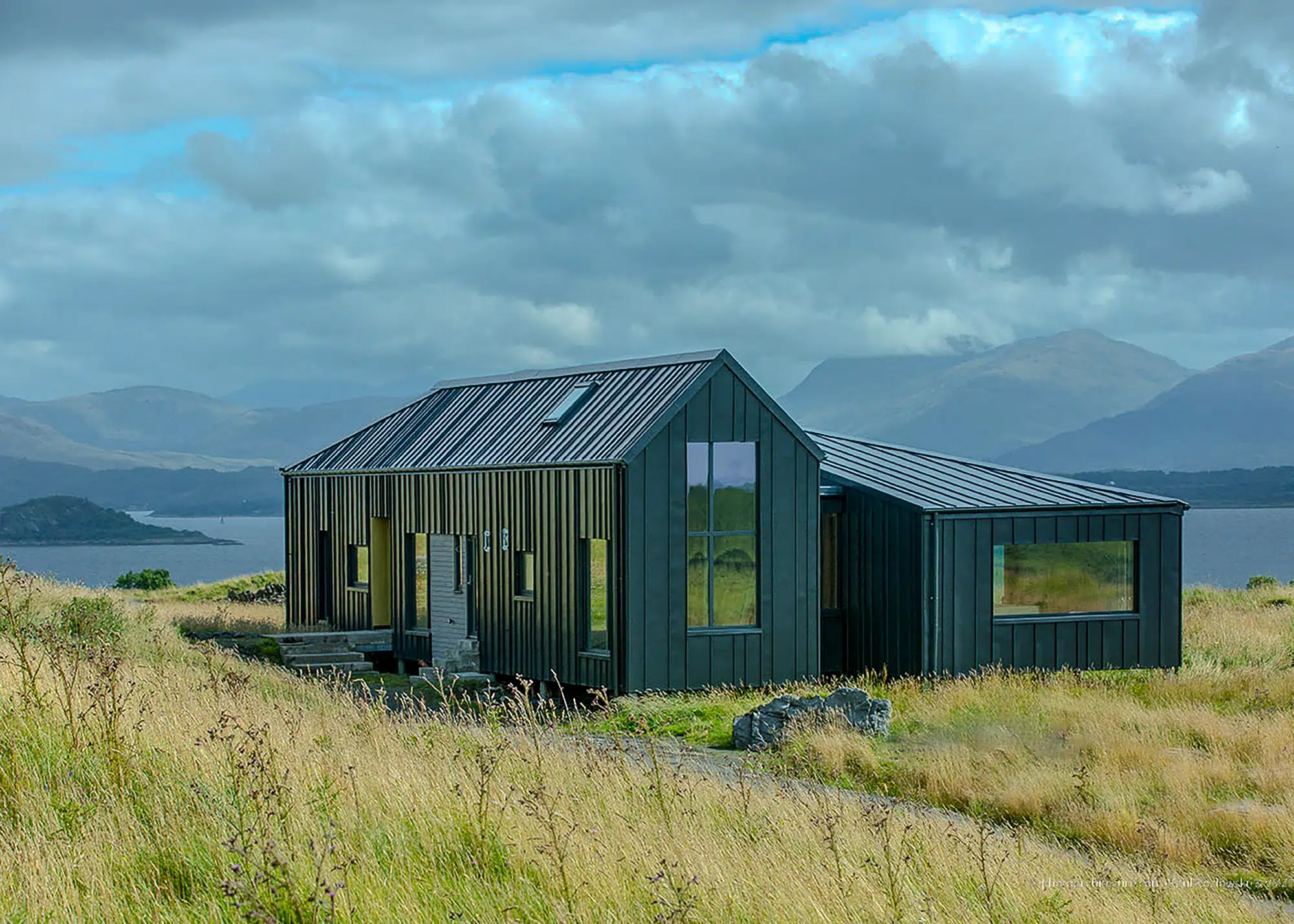
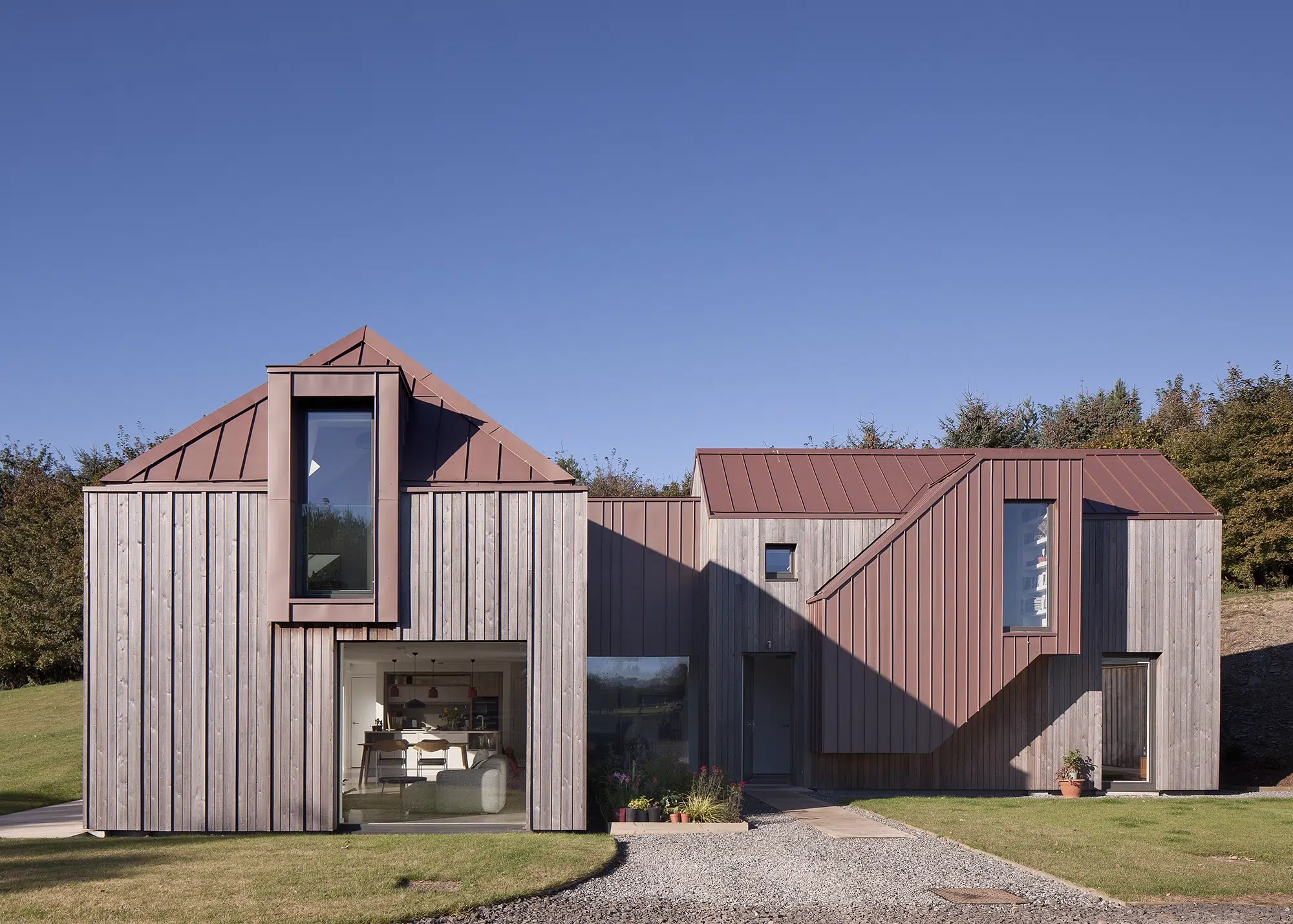
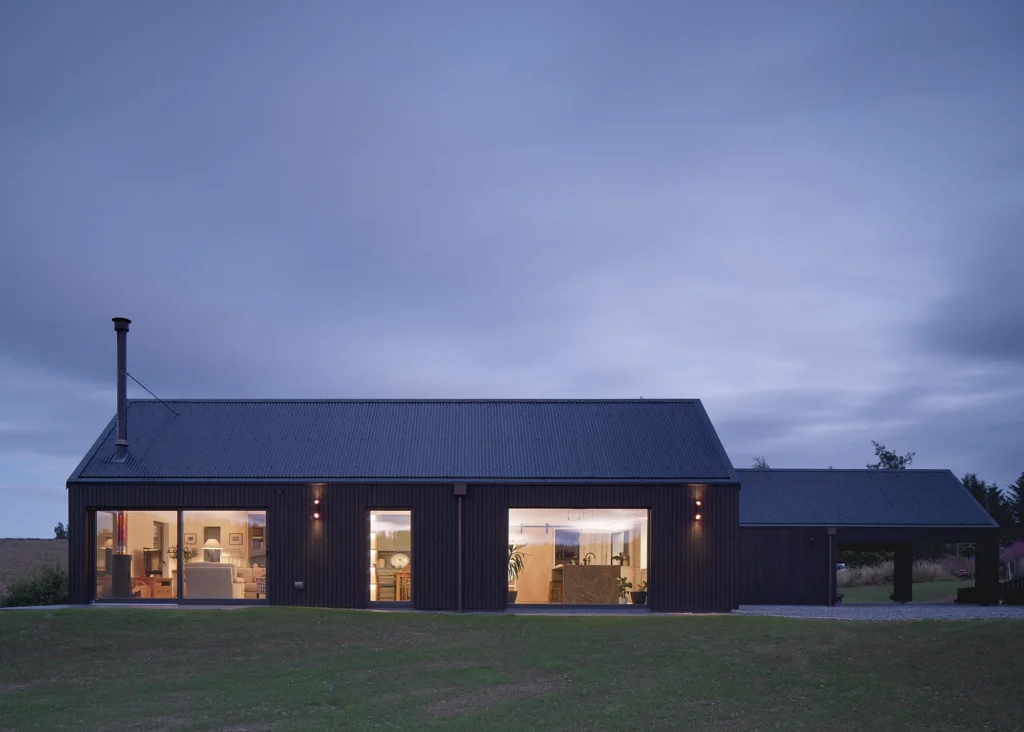
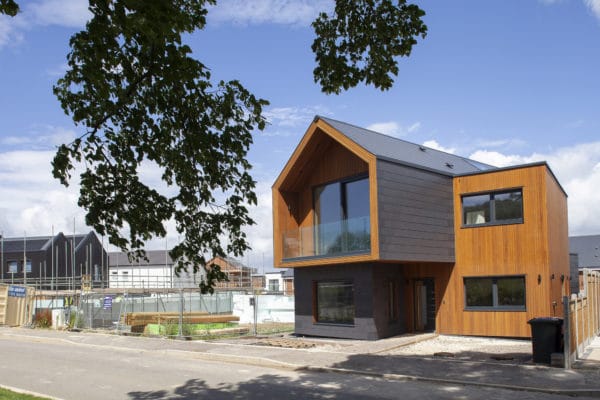
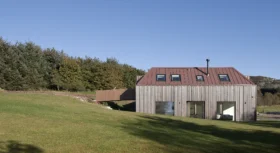
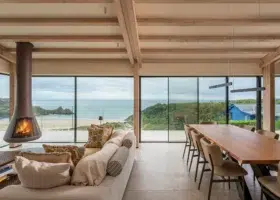
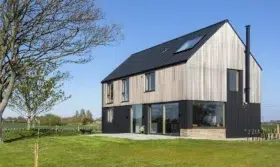
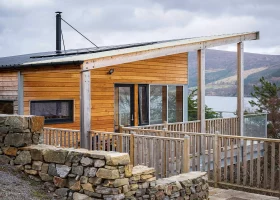
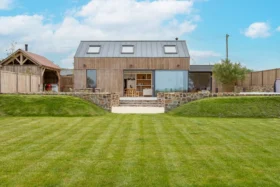
Baligrundle by JML SIPs took home the 2025 Build It Award for Best SIPs Home. Set on the exposed Isle of Lismore, the 180m² home responds to both the landscape and the client’s brief for a modern, low-energy replacement dwelling that could withstand harsh weather while treading lightly on the croft. Photo: JML SIPs
If you’re interested in building your home with SIPs, be prepared to make a lot of the design decisions up front and at the early stages of your project. Changing predetermined, factory-made layouts and design features once manufacturing has begun can be expensive and delay your build.
YOUR GUIDE TO SIPs
Insulated concrete formwork (ICF)
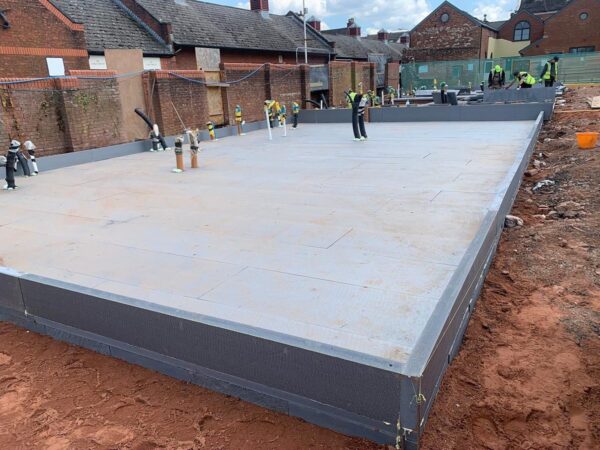
ICF is an innovative structural system which involves stacking a series of hollow blocks made from expanded polystyrene or wood fibre cement and filling them with ready-mixed concrete to create an exceptionally sturdy build. Once these blocks are in place, the full-fill concrete and foam combination offers excellent thermal performance and U-values throughout.
One of the major advantages of opting for ICF is the ability to create extraordinary architectural designs because of its innate strength. The foam blocks can be cut to create striking curves, cantilevers and grand, wide openings that can be filled with glazing.
ICF is also superb for those looking to incorporate a basement into their house plans. This is because the walls are highly watertight, preventing any damp or water ingress once the build is finished.
YOUR GUIDE TO ICF
Brick & block
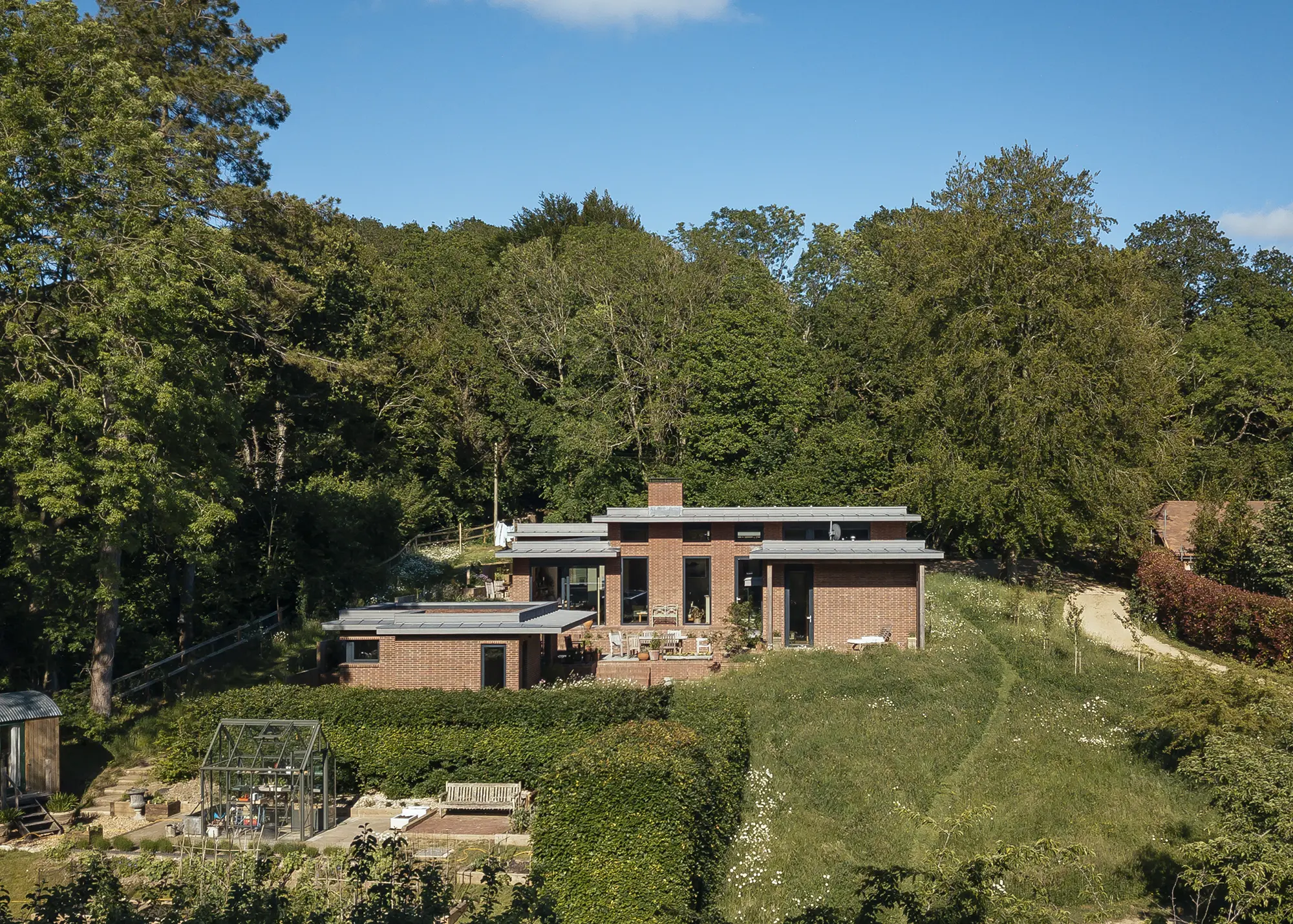
Brick and block construction is favoured by many self builders for its familiar feel and budget-friendly price point. External walls are created using a cavity wall construction – an internal and external skin of brickwork with a gap between them (filled with insulation). These are then held together with wall ties.
Masonry homes are built and insulated on site, unlike prefabricated structures. So, while you’ll always get best value by sticking to the planned design, it’s typically easier to accommodate changes once the build has commenced, such as the position of internal walls or window openings. Materials are generally readily available on short lead times, too, so work can start quickly. However, as masonry is a wet building system, progress is slower and can be delayed by poor weather conditions.
YOUR GUIDE TO brick and block
Get your dream home started!
Talk to the experts about your project and learn from their years of experience at Build It Live. Watch live presentations on a variety of topics, meet hundreds of suppliers and book a one-to-one appointment with an expert – including architects, project managers and finance specialists.
Build It Live takes place three times a year in Malvern, Exeter and Kent. The next show will be on 30th and 31st May 2026 in Malvern, Worcestershire. Claim a pair of free tickets today and start planning your visit.
CLAIM YOUR FREE TICKETS NOW
|
6. Get planning permission from the local council
What you can build will be at least partly dictated by what your local council will allow, so early contact with the planners is the best way to figure out if your idea is viable. Getting pre-application advice will give you a good feel for whether your plans will pass the formal application, and maybe suggest what changes will give it a better chance of success.
However, remember that this is just advice, and doesn’t guarantee permission – if a new case officer comes in before you submit your planning application, for example, you could be back to square one.
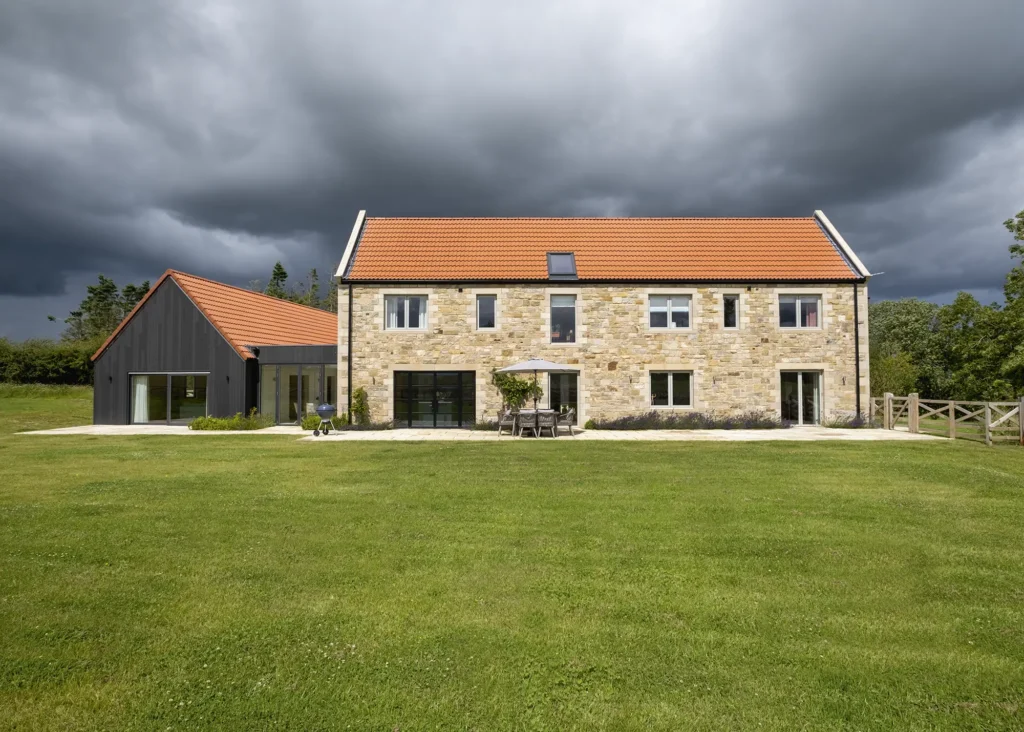
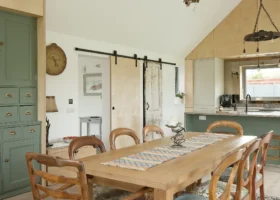
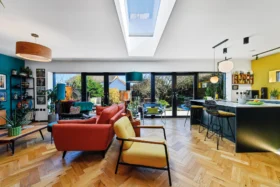
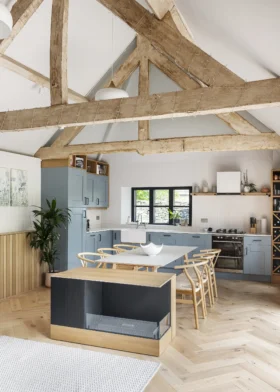
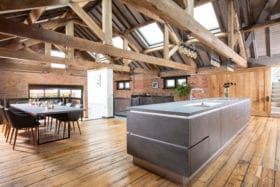
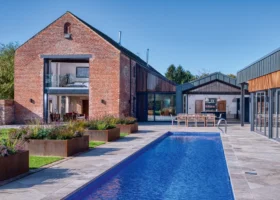
After a drawn-out planning process which involved a rejected application, Arthur and Lydia Achard were finally able to build their new house on a rural plot in Northumberland. With the help of Giles Arthur Architects and Fleming Homes, the couple successfully built a spacious barn-style home complete with stunning interiors and high quality finishes. Photo: Kate Buckingham
You can also enhance your chances of success by understanding the local planning policies. Look into if there are any planning constraints on your plot; investigate what other builds have been given the go-ahead nearby; and let your neighbours know your plans to head off any objections.
your guide to planning permission
























 Login/register to save Article for later