

- Plan ItBack
- Design ItBack
- Build ItBack
- Homes
- ProductsBack
- CostsBack
- Self Build Cost Calculator
Estimate your project costs instantly with Build It's interactive self-build cost calculator
Calculate Now - Costs & Finance
- Contracts & Warranties
- Build It Estimating Service
Get an accurate, detailed cost breakdown of your project
Submit plans
- EventsBack








































 Login/register to save Article for later
Why Should We Be Rethinking Whole-House Heating, Cooling & Ventilation?

For many households, the first warning sign is simple: a bedroom that becomes difficult to sleep in, an upper floor that stays warm long after sunset, or a south-facing kitchen that feels uncomfortable even when the blinds are closed. Your instinct may be to cool the problem room. But if the same spaces overheat every summer, it is worth asking whether you are dealing with one uncomfortable room, or a wider issue across the property. So, how can you effectively manage comfort in your current home, and how should cooling, ventilation, air quality and heating be planned into a future renovation or new build?
Beyond one-room cooling
“People often come to this from a very specific problem: one or two bedrooms are overheating, or a dining kitchen is getting too much solar gain,” says Richard Soper, UK MD at The Unico System. “That’s understandable, but it means they can start by thinking only about localised cooling, rather than looking at how the whole home is performing.” Portable air conditioners and fixed wall-mounted air-conditioning units, often known as split systems, are familiar, relatively low-cost ways to tackle overheating in
one room. But the value equation changes once several spaces need attention, as multiple room-by-room units can quickly become expensive. If you are planning to stay in the property longer term, the decision is not just about keeping the initial outlay down; it also involves noise, airflow, filtration, humidity control and year-round heating use.
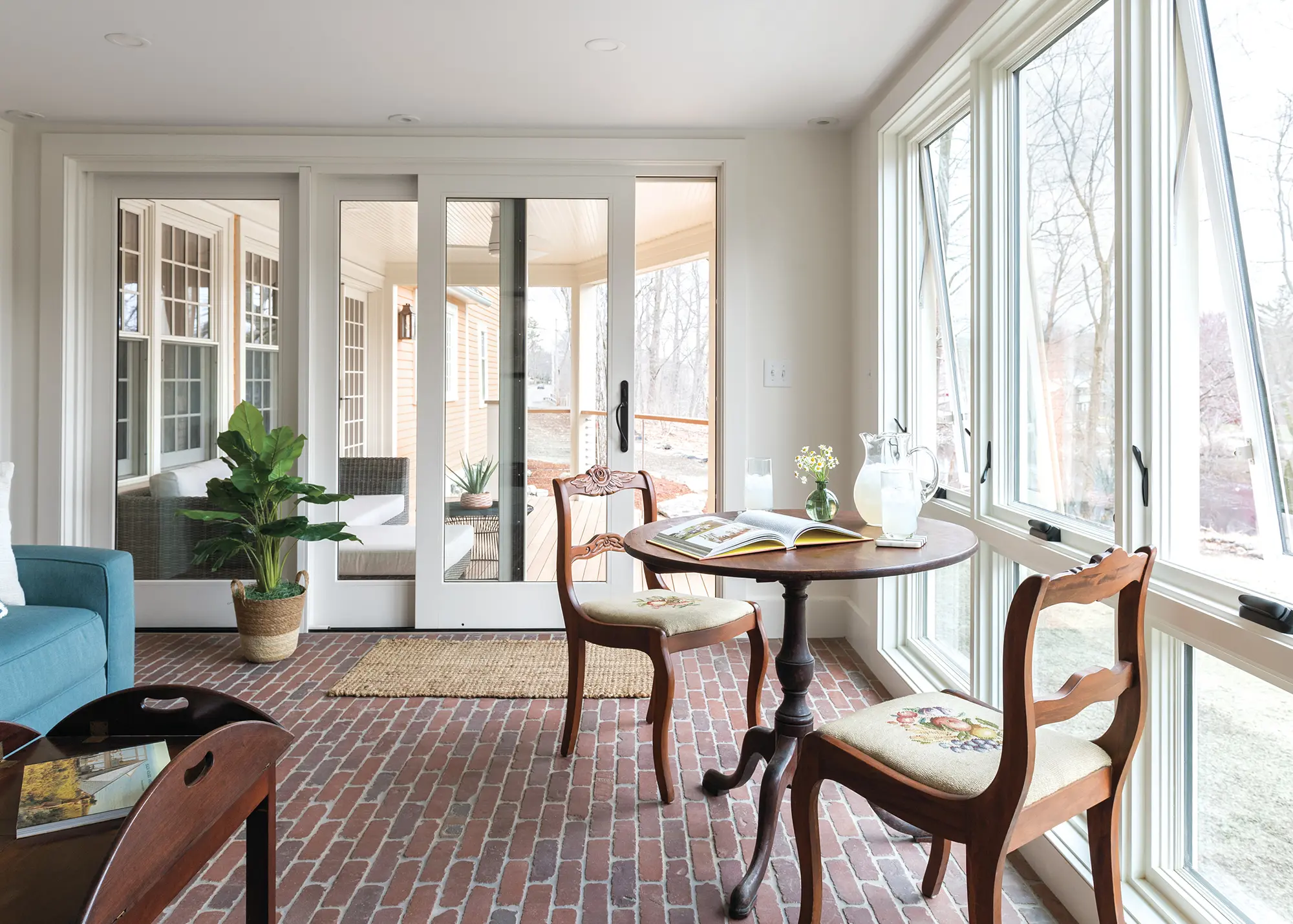
he Unico System delivers ultimate comfort across an entire house, including in notorious hot spots such as highly-glazed sunrooms
“A split system can give you immediate relief in one room, and for some people that may be enough,” says Scott Intagliata, owner and director at The Unico System. “But if you have children, or several spaces you want to cool, you need to think about whether a room-by-room approach is really going to give you the comfort you want.”
That’s where Unico takes a more integrated approach. Its small-duct, high-velocity design uses discreet outlets to distribute conditioned air, rather than relying on larger wall-mounted units in individual rooms. As moisture is removed during cooling, rooms feel less sticky and more comfortable without simply driving the temperature lower.
“Cooling is only one part of the decision,” says Richard. “The real question is how the home feels as a whole: full, consistent temperature control, air movement, humidity, filtration and noise. That’s what affects comfort day to day.”
Featured experts

Richard Soper
UK managing director at The Unico System

Richard Soper
UK managing director at The Unico System
Scott Intagliata
Owner and director of The Unico System

Scott Intagliata
Owner and director of The Unico System
Working with existing homes
In a finished property, comfort is shaped by the fabric and layout as much as by any equipment added later. During prolonged warm spells, heat can build through the day and be released back into the home overnight, so the house may never fully reset before the sun rises again.
For retrofit projects, the challenge is working with what’s already in place. Plant space, outlet positions and duct routes have to accommodate existing rooms, ceilings, lofts and structure, rather than being planned on a blank sheet. That’s where Unico’s small-bore ductwork can help. Routes can often be found through lofts, voids, ceiling zones or built-in furniture, allowing conditioned air to be distributed without relying on large visible units in each room.
“In an existing home, the question might be how to improve comfort without starting again,” says Richard. “You may already have a heating and hot water system that works well. Unico can work alongside that, providing cooling when the house overheats and efficient heating through the spring and autumn shoulder months.”
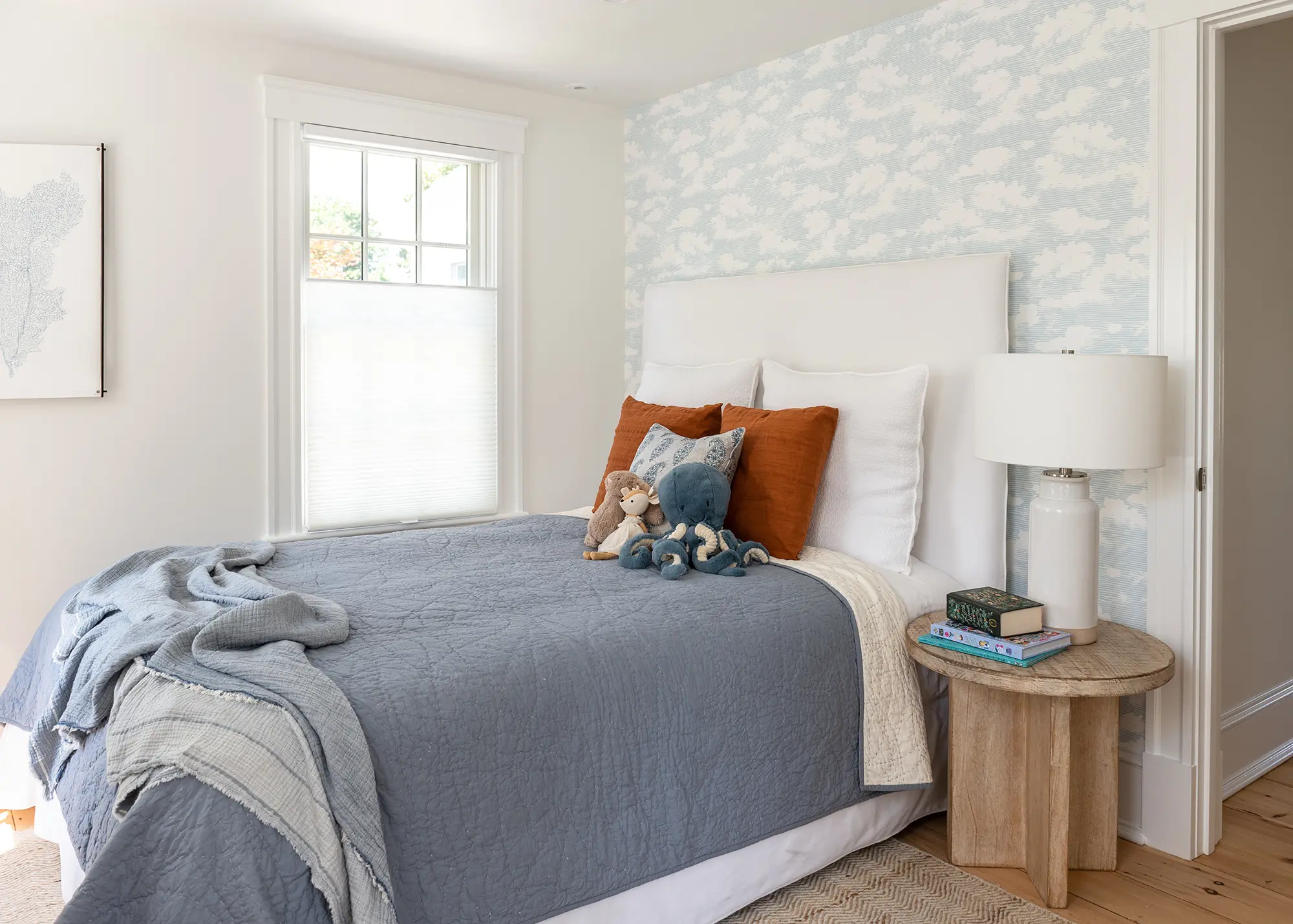
Many of us first feel the impact of overheating in bedrooms and other upstairs zones. The Unico System can be retrofitted as a whole-house or targeted solution
Planning comfort into future projects
For new builds and major renovations, comfort is easier to manage if it’s considered before the design is fixed. Fabric-first design, glazing choices and solar control remain essential, but better insulated homes can still overheat if cooling and ventilation are left until late in the process. “We have to get our minds around the fact that we’re going to need cooling in order to fully enjoy our properties, new or old,” says Scott. “This is not a blip. One of the biggest concerns we see now is overheating, particularly in newer, tighter homes where heat can build up very quickly.”

A discreet Unico outlet being installed during the internal fit-out works
Comfort also needs to be designed around the actual building, not a generic idea of which rooms feel hot. As the industry moves from SAP 10.3 towards the Home Energy Model, building performance is being assessed in more detail – reinforcing the fact that cooling, heating, ventilation and air quality should be coordinated early.
“The system designer needs to be involved as early as possible with the architect or M&E team,” says Richard. “Routes, plant space and structure all affect what is possible. If there are steel joists across a roof space, for example, we need to understand how the ductwork and plenum can be designed around them.”
What does your system designer need to know?A comfort system should be designed from the building, not simply from a list of rooms that feel too hot. Proper heating and cooling calculations will take account of room size, ceiling heights, orientation, glazing, insulation levels, airtightness, occupancy and solar gain. For an existing property, the designer will also need to understand what services are already in place. Are you keeping a boiler, cylinder or existing heat pump? Is the main issue upstairs cooling, whole-floor comfort or a wider year round heating and cooling strategy? On new builds and major renovations, the brief should include the planned fabric spec, ventilation strategy and any SAP or Home Energy Model assessment work being carried out. The earlier this information is shared, the easier it is to coordinate comfort with the rest of the design. Loft space, service voids, ceiling zones, floor structures, steelwork and plant locations can all affect how a ducted system is designed. If possible, visit a working installation or showroom before committing, so you can judge the noise, airflow and feel for yourself. |
Where MVHR fits
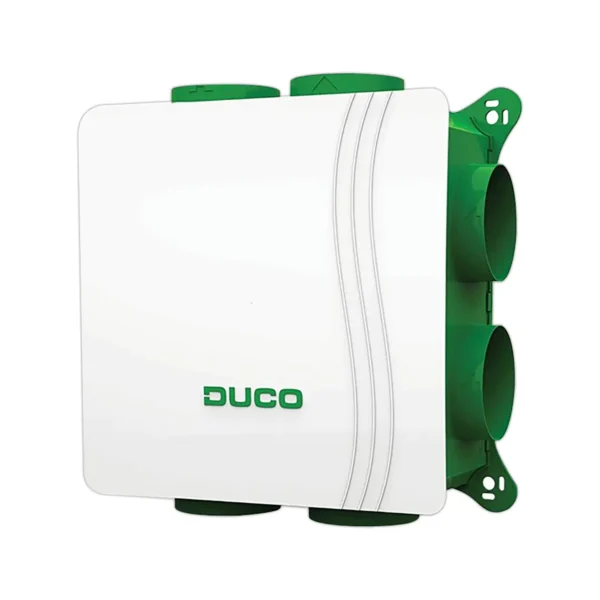
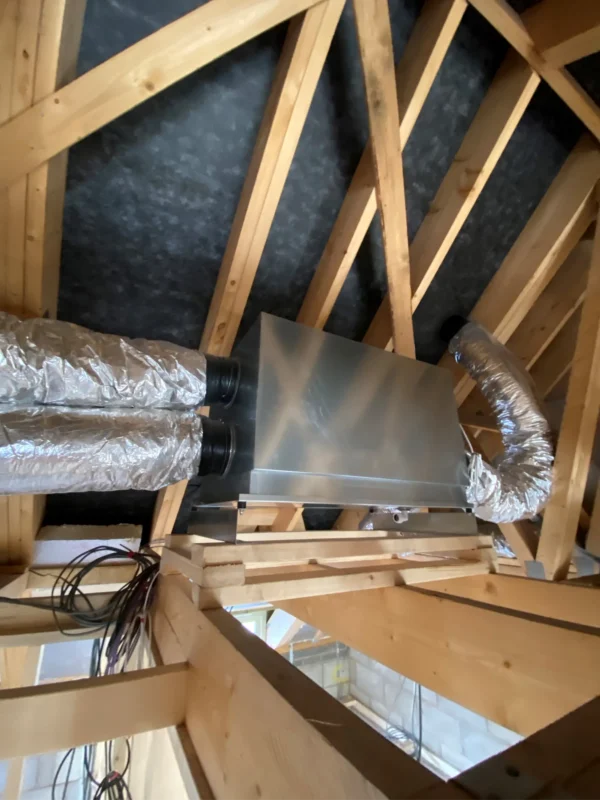
MVHR is familiar in airtight new builds and deep retrofits. It provides controlled fresh air, extracts stale or moist air, and recovers heat from the outgoing air during colder months. In a well-designed project, it can be an important part of the wider comfort and indoor air quality strategy.
In warmer weather, its summer bypass mode can help avoid recovering unwanted heat when cooler outside air is available. But MVHR only moves the volume of air needed for ventilation; it’s not designed to shift enough cooler air around the house to significantly reduce temperatures.
“MVHR is a very useful part of the ventilation strategy, especially in airtight homes,” says Scott. “It gives you controlled fresh air and can integrate well with a whole-house comfort system. But standard MVHR is not active cooling. Even in favourable conditions, you might only be talking about 0.5kW of cooling, which is unlikely to make a meaningful difference to room temperatures, and it won’t deal with humidity in the same way.”
The right answer depends on the property. A new build may require MVHR for ventilation and a separate strategy for cooling. A retrofit might need a more selective approach, especially if airtightness isn’t being significantly upgraded.
Living with the system
For many homes, controls can be kept very straightforward. “You might have one zone, or you might split the house into several areas, such as bedrooms and living spaces,” says Richard. “The point is to design it around how your household actually uses the property.”
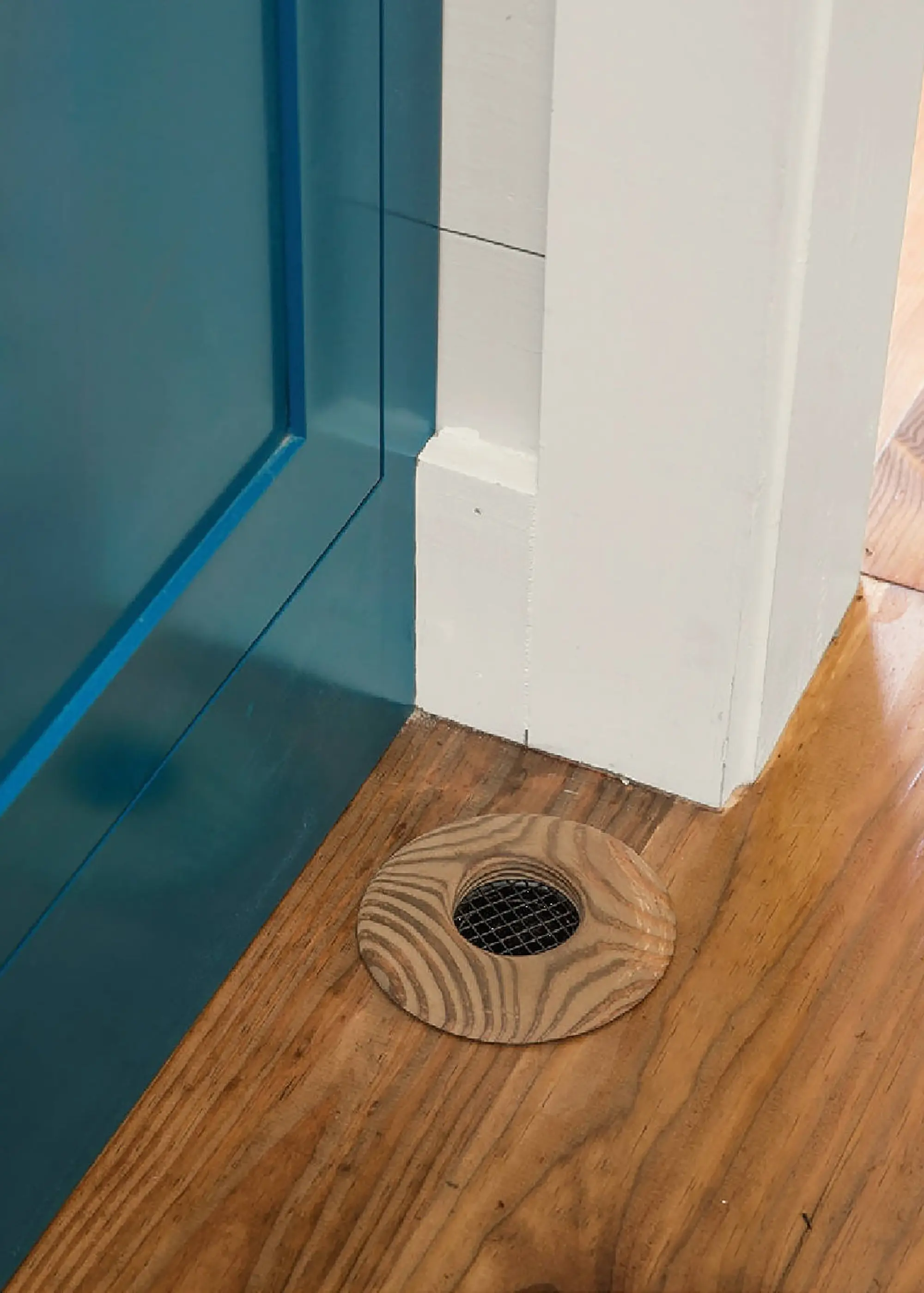
The vents can be designed to blend seamlessly with your interior decor
The same applies to upkeep. With a centralised system, filtration is managed in one place rather than spread across several separate room units. “Filtration is one of the things people notice once they live with the system,” says Scott. “We tell customers to check the filter after the first week, because they’re often surprised by how much dust is collected, even in a house they keep very clean.”
For homeowners investing in a property they intend to live in for many years, the key decision is not simply whether to add cooling. It’s how they want the house to feel throughout the year, and whether comfort, air quality and overheating risk are being actively planned as part of a unified strategy.
| The Unico System provides the perfect home climate control from a small-duct, high-velocity renewable HVAC solution that’s efficient and discreet. For advice on your project visit The Unico System’s website or call 01384 422094 to speak with the team’s technical experts. |
The Unico System
You may be interested in