

- Plan ItBack
- Design ItBack
- Build ItBack
- Homes
- ProductsBack
- CostsBack
- Self Build Cost Calculator
Estimate your project costs instantly with Build It's interactive self-build cost calculator
Calculate Now - Costs & Finance
- Contracts & Warranties
- Build It Estimating Service
Get an accurate, detailed cost breakdown of your project
Submit plans
- EventsBack



































 Login/register to save Article for later
Should Your Architect Handle Your Planning Application? An Expert Explains the Ins & Outs

There are no hard, reliable statistics to confirm it, but I have a suspicion that the vast majority of planning applications for self builds and home extensions are submitted by architects rather than planning consultants like me. While it’s true that the planning profession would prefer that they stopped eating our lunch, most architects and architectural designers are familiar with the process and are comfortable submitting and managing applications. The reality is that a proposal can often gain approval without a planning consultant, but it will not get very far without accurate drawings and someone who understands how buildings work.
So, for many projects, the answer to the question “should my architect handle my planning application?” is “yes, probably.” But, as I go on to explain in this article, your response depends a great deal on the nature of the project, the architect and the range of planning issues involved that you may not be immediately aware of.
Is your architect planning savvy?
Some proposals are so straightforward that they are unlikely to raise any concerns. For instance, a small conservatory extension to a house in an area with no planning constraints and no close neighbours is unlikely to need a planning consultant. However, a new house in the countryside, outside settlement boundaries, in the Green Belt, surrounded by protected trees and next to a listed building will need proper planning advice.
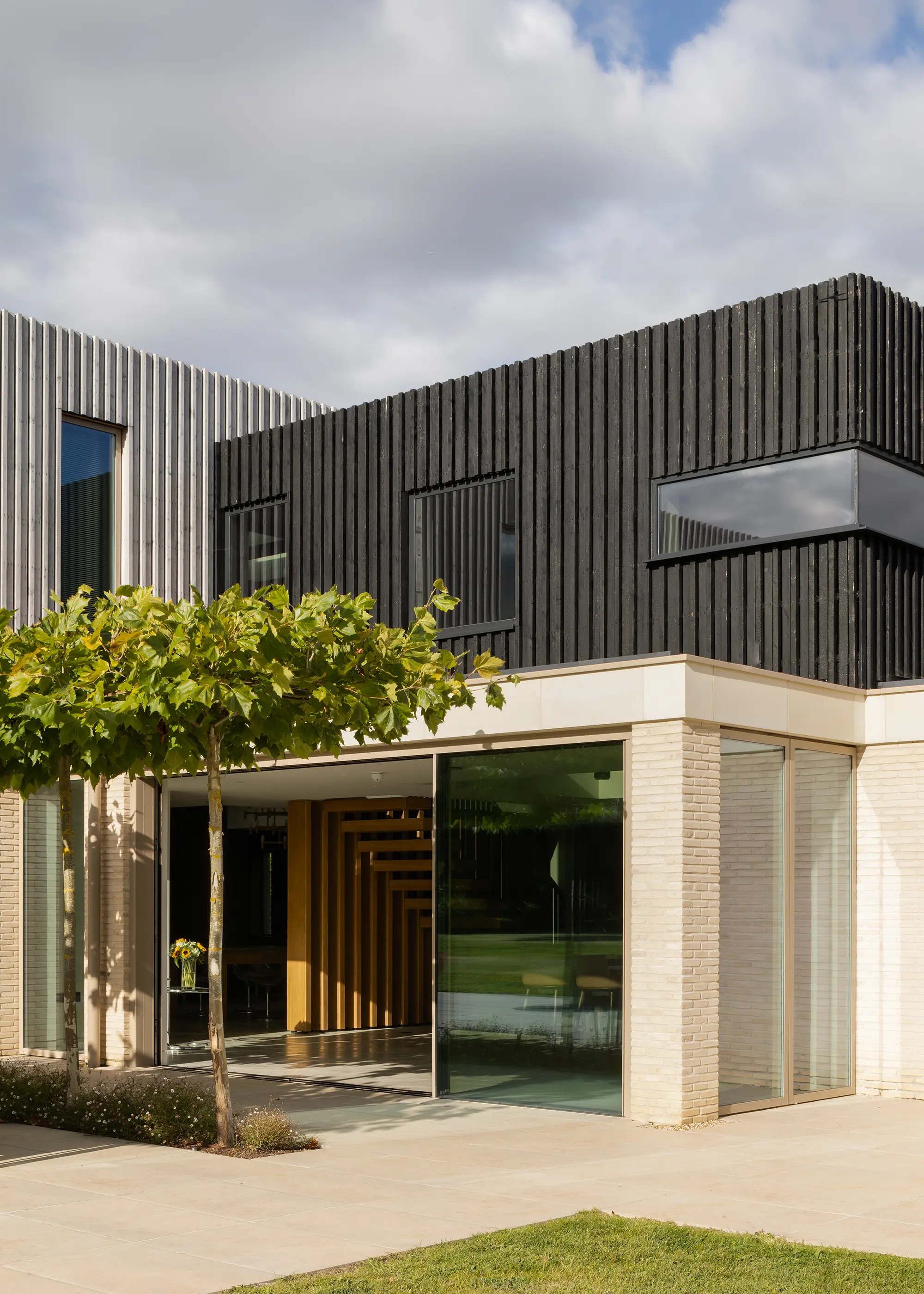
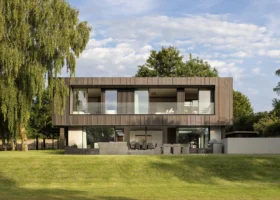
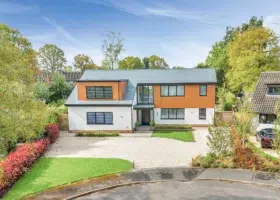
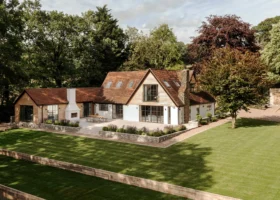
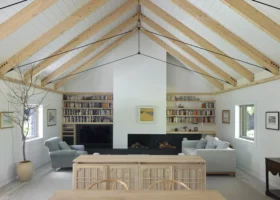
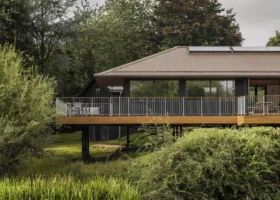
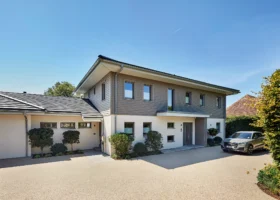
Designed by Snell David Architects, this replacement home in rural Hertfordshire draws inspiration from the original modernist structure, which helped the design gain planning approval. Photo: David Valinsky
Whether it is your architect or a planning consultant, a specialist will need to check what constraints affect the site (it might be in a flood zone or a conservation area, for instance), what planning policies are relevant and how similar applications and appeals have fared in the area. They will have to think about how the council is likely to assess the design, impact on neighbours, parking and drainage. The key question is therefore whether your architect is comfortable with the planning side of things or is more focused on what they were primarily trained to do: coming up with a great design.
The best architects are local, clued up and plugged in. They know the council, understand the local policies and have a feel for the issues that are likely to worry the case officer or animate the planning committee. They combine good design with some planning knowledge. So, if you have an architect like that, you may not need a planning consultant after all.
When do you need both an architect and planning consultant?
Before I am struck off by my fellow planning consultants, I should say that there is still a strong case for involving a planner on an awkward project, even if your architect is comfortable with the planning side. Many architects are very good at planning, but it is not their day job. Planning law, practice and policy are constantly changing and evolving, and a good planning consultant will have a better feel for how to pre-empt, dodge or deal with problems that could derail your application.
Planning is full of myths and half-truths, and a partial understanding of the system can sometimes be worse than no knowledge at all. I am sometimes approached by clients who have been told, very confidently, that their proposal is almost certain to succeed, only for a little digging to reveal that it is doomed from the start. Or – even worse – that “the council will never allow this”, when in fact the proposal has every chance of success if the right strategy is followed.
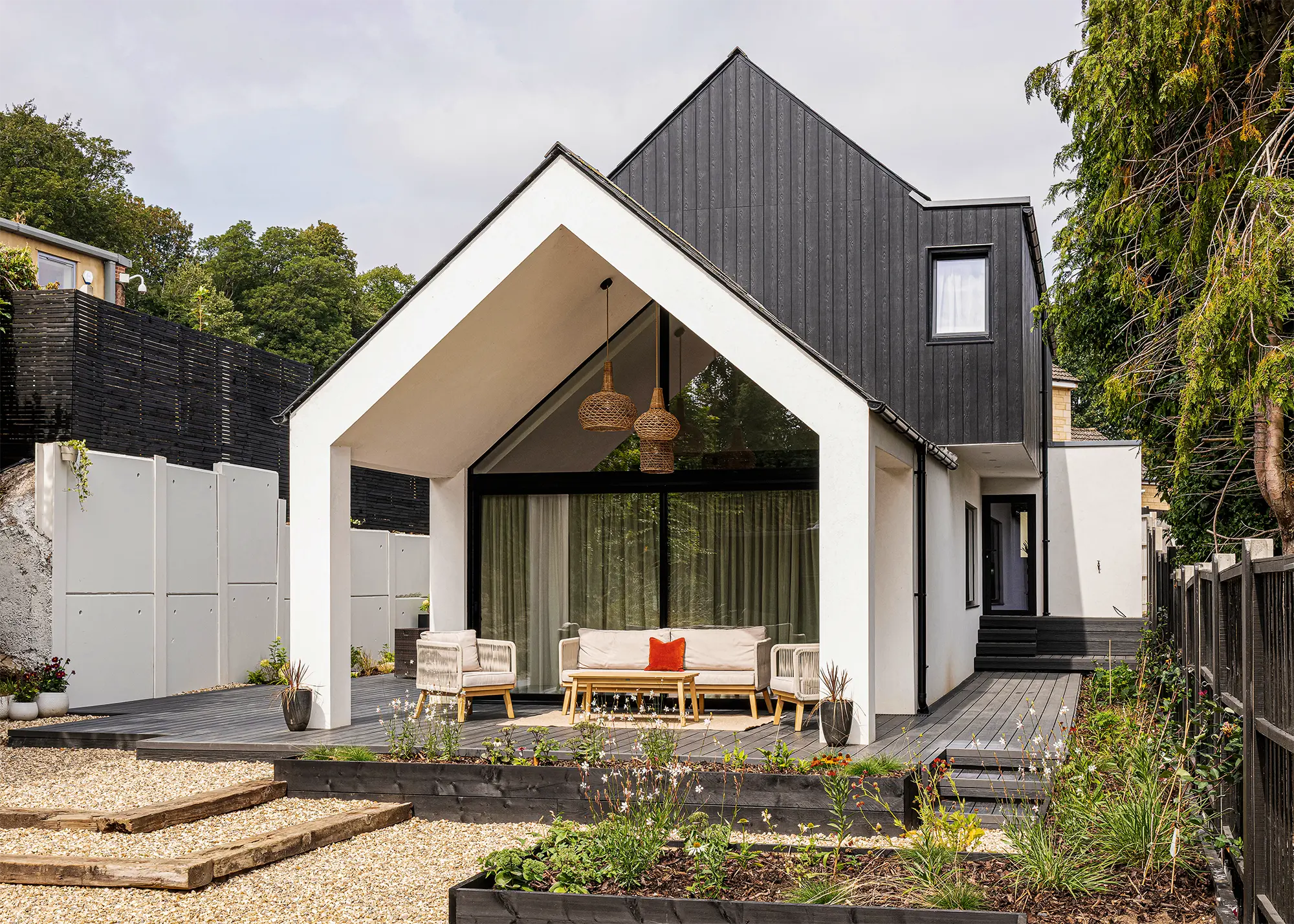
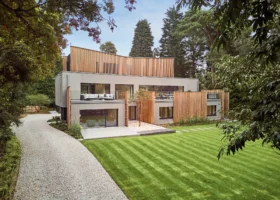
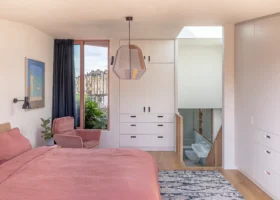
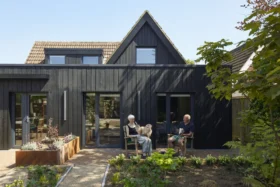
Before approaching an architect, self builders Trina and Felipe sought planning advice from an independent consultant who warned against their original scheme, informing the later design stage
Top tip from Martin How can you ensure you choose a planning-savvy architect?
If your architect is handling your planning application, you must be sure that they have some knowledge and understanding of – and interest in – the planning process. Here are some questions you might wish to ask:
- Have you checked the planning history and site constraints?
- Which local policies or design guidance are likely to matter?
- Is a planning application definitely the right route?
- Will we need a planning statement or specialist reports?
- Will you deal with the case officer after submission?
- What happens if neighbours object?
- What happens if the council asks for changes?
- What happens if the application is refused?
When should you engage a planning consultant in the process?
I find that I am often consulted too late in the process. The architect has drawn a beautiful scheme, the client has fallen in love with it, a great deal of money has already been spent, and only then does someone ask whether the council is likely to approve it.
Planning advice is most useful at the beginning, before so much work is done on the architectural design that it’s very difficult to change it. Even a short review of the site, planning history, constraints, policies and recent decisions can be enough to identify the main risks and the best way forward. A review might conclude that the proposal is straightforward and your architect can safely handle the application. It might also show that the idea is a non-starter and that you would be crazy to spend any more money on it. In most cases, it will confirm that the project has promise and provide some advice on how to maximise your chances of success.
That early advice does not have to be expensive or overly detailed. A few hours of a consultant’s time can prevent you from finding out halfway through a project that the scheme is doomed or that you need to go back to the drawing board.
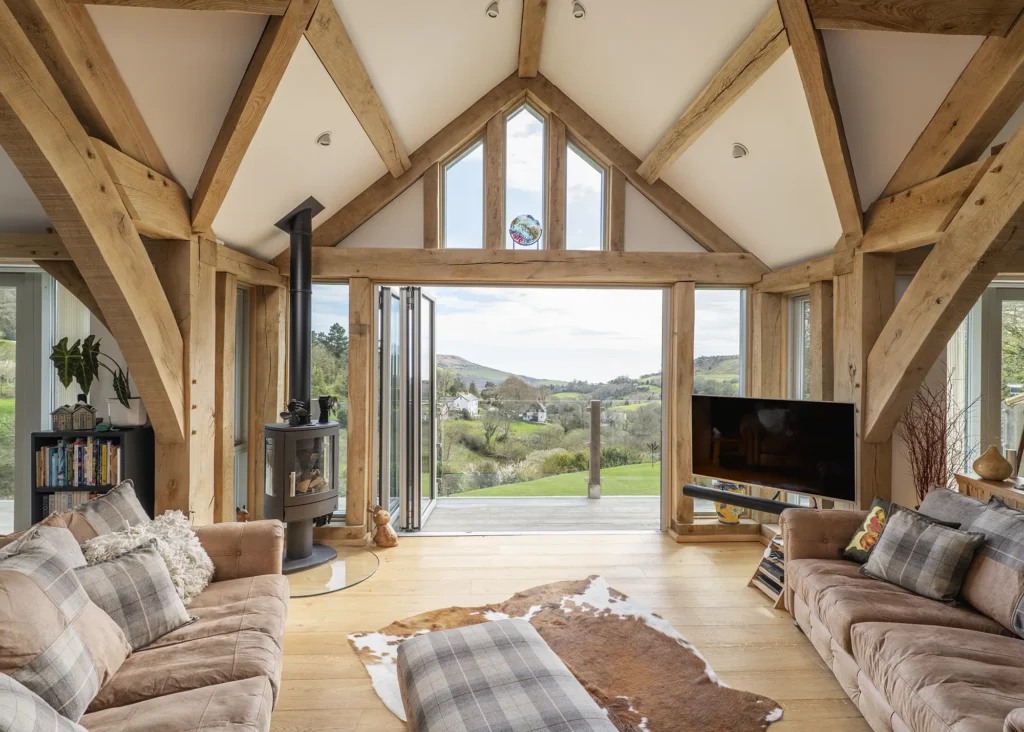
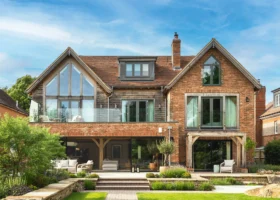
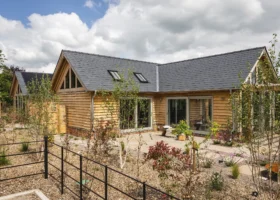
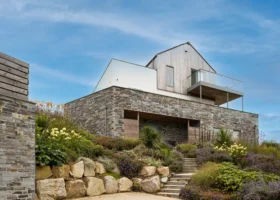
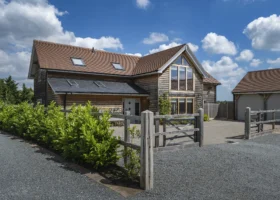
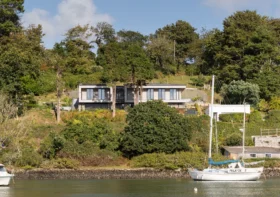
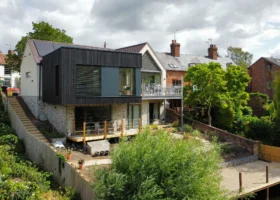
First-time self builders Chris and Mary Noon created a stunning oak frame home in Dorset, with unbeatable sea views. Roderick James Architects developed the scheme, which originally faced significant oppoistion from planners as the site was previously home to a bungalow. The architects revised the scheme and removed the second storey of the detached garage, alongside building the house’s ground floor into the sloping site, ensuring the overall scheme appeared single-level from the road. Photo: Richard Downer
How has the planning system changed over the years?
The planning system has changed enormously in the 12 years since I left my last council job and became a private consultant. Councils now expect more information to be submitted upfront with planning applications, even for straightforward schemes. Depending on the site, you may need a heritage statement, arboricultural report, drainage information, biodiversity advice, highways input, daylight/sunlight analysis or a legal agreement. On more complicated schemes, the planning consultant is the conductor of the choir, making sure the right specialist is brought in at the right time and in the right way.
Councils don’t give out informal advice in the way they once did. When I was a council planner, pre-application advice was completely free. I spent one morning each week manning the duty planner desk, and I had a direct phone line, so I spent much of the day speaking to applicants and agents. Now, duty planner services have been reduced or withdrawn, case officers are not easy to reach, site visits are not as common and pre-application advice can be slow and expensive.
Planning consultants have stepped into the breach. We often provide the advice, support and guidance that applicants might once have expected from the council. Applications that may not have needed planning support in the past are more likely to need it today.
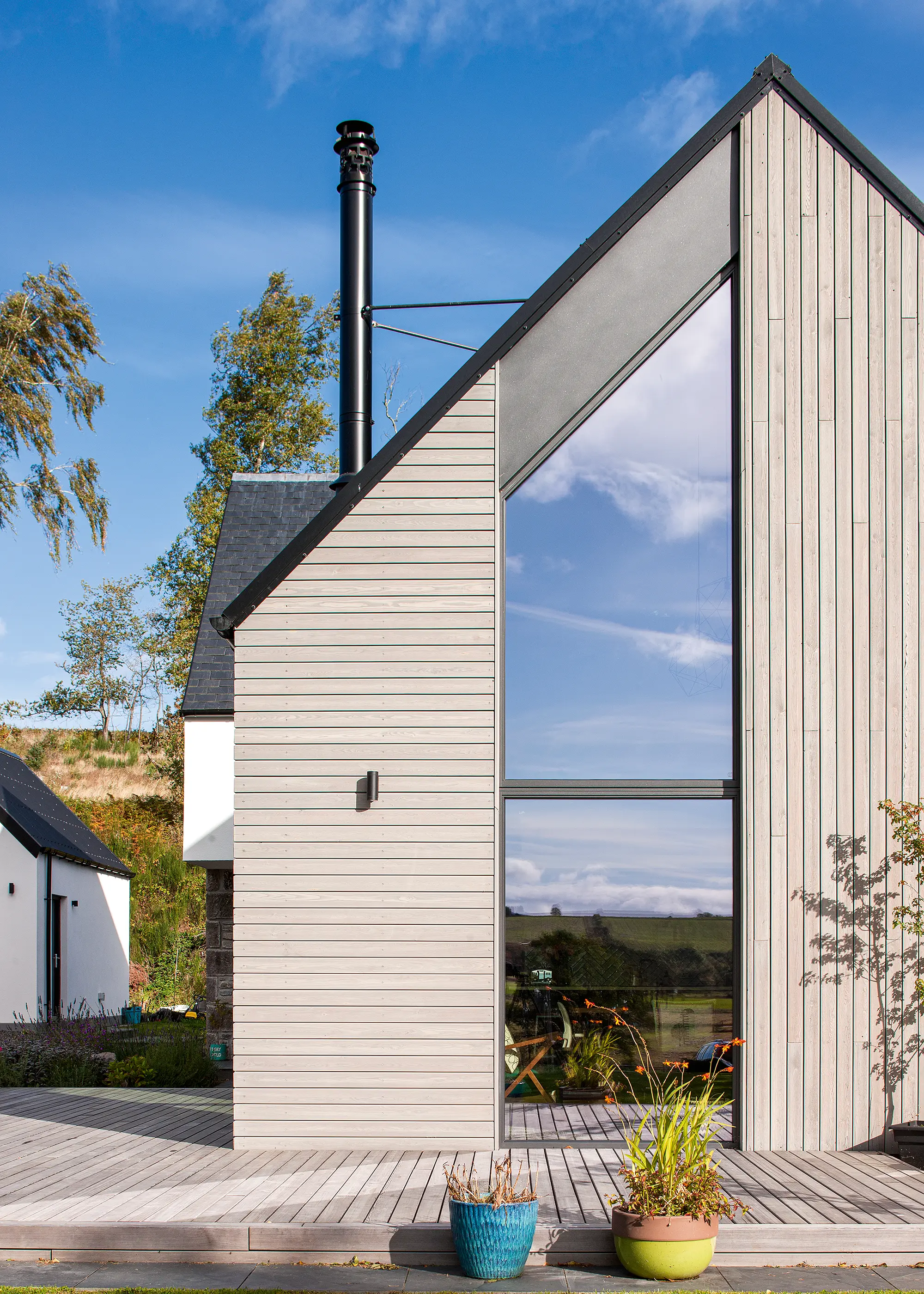
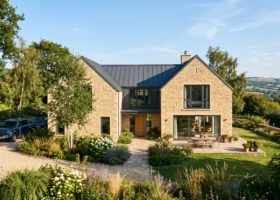
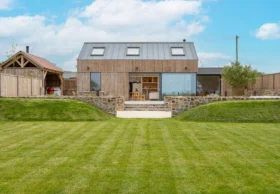
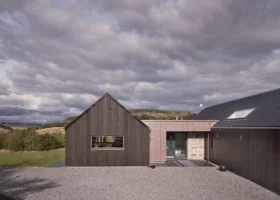
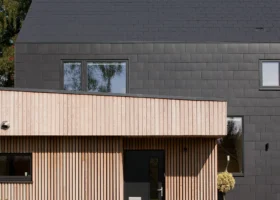
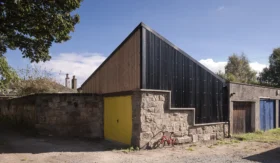
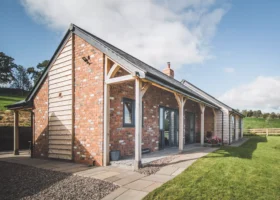
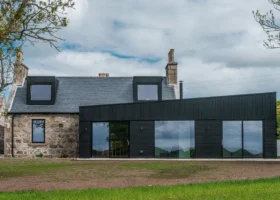
On the hunt for a bigger house for their growing family, Kate and Sandy Crerar fell in love with the beautiful views on a rural plot in Aberdeenshire, which lead them to take on a self build project and create their dream home. The scheme, designed by Fiddes Architects, makes use of timber cladding and black corrugated roofing materials to provide a link to the barn-style buildings that are familiar to the area. Planners were on board with the design. Photo: David Barbour
How do the skills of a planning consultant and architect differ?
Both architects and planning consultants can prepare, submit and manage planning applications, but they are different professions with different instincts and different expertise. The architect’s job is to design the best building for the client and the site. Meanwhile, the planner’s job is to look at the proposal from the council’s point of view: will permission be granted, what will the case officer worry about and how should the application be presented?
For a simple project, your architect may well be able to do the planning application. For a difficult project, on the other hand, the safest approach is usually to get advice from a planner at an early stage, before the design is finished and well before the application is submitted. It is not the case that every project needs a planning consultant, but every project requires someone to think properly about planning.
Martin Gaine
You may be interested in