

- Plan ItBack
- Design ItBack
- Build ItBack
- Homes
- ProductsBack
- CostsBack
- Self Build Cost Calculator
Estimate your project costs instantly with Build It's interactive self-build cost calculator
Calculate Now - Costs & Finance
- Contracts & Warranties
- Build It Estimating Service
Get an accurate, detailed cost breakdown of your project
Submit plans
- EventsBack

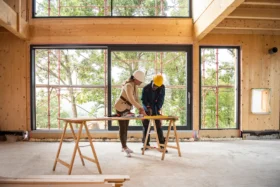

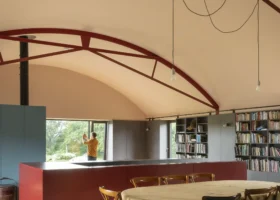
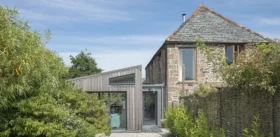
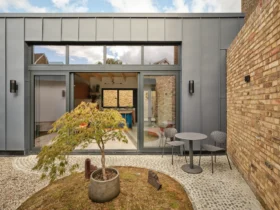




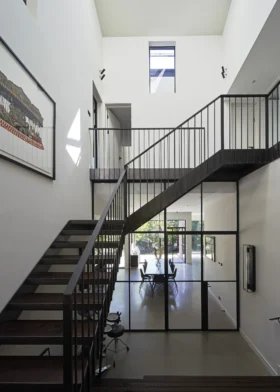
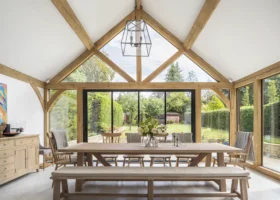
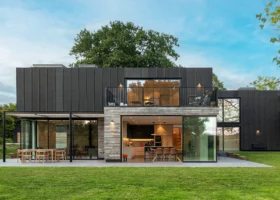


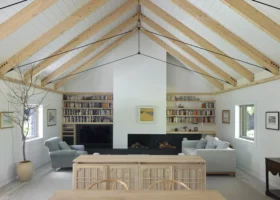
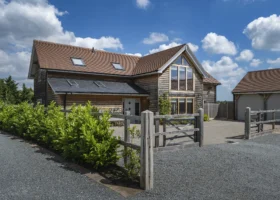





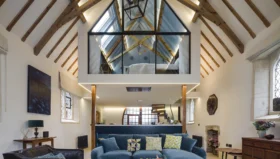
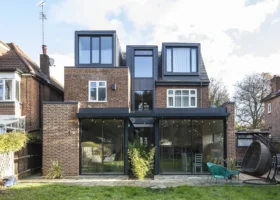
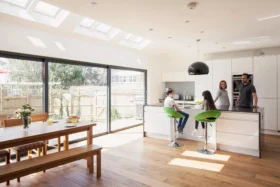
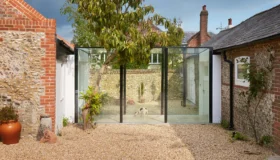











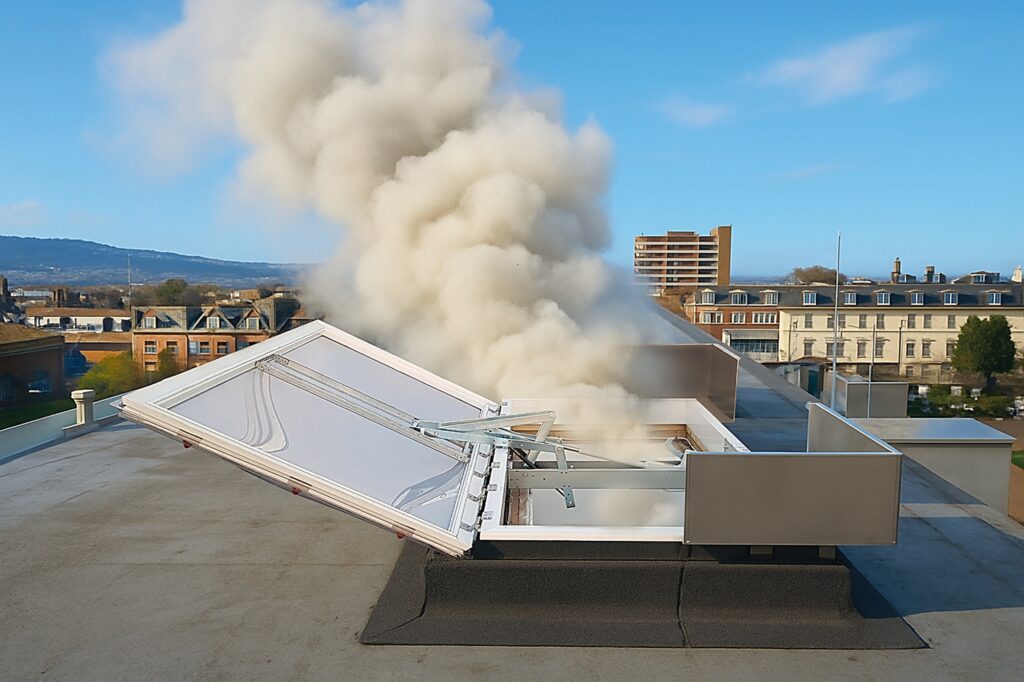

Nobody wants to consider the possibility of a fire at home, but careful design decisions can significantly reduce risk if the unthinkable happens. In most fires, smoke spreads far more quickly than flames, filling spaces, obscuring escape routes and disorientating occupants.
Fire burns. Smoke kills.
Most fire-related fatalities are caused by smoke inhalation, often long before flames reach occupied areas. Modern construction materials can increase this risk by producing dense, toxic smoke, making effective smoke control a critical part of any residential fire safety strategy.
Use smoke ventilation to protect escape routes.
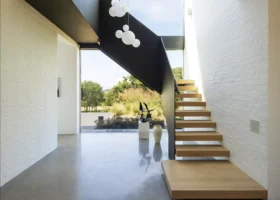
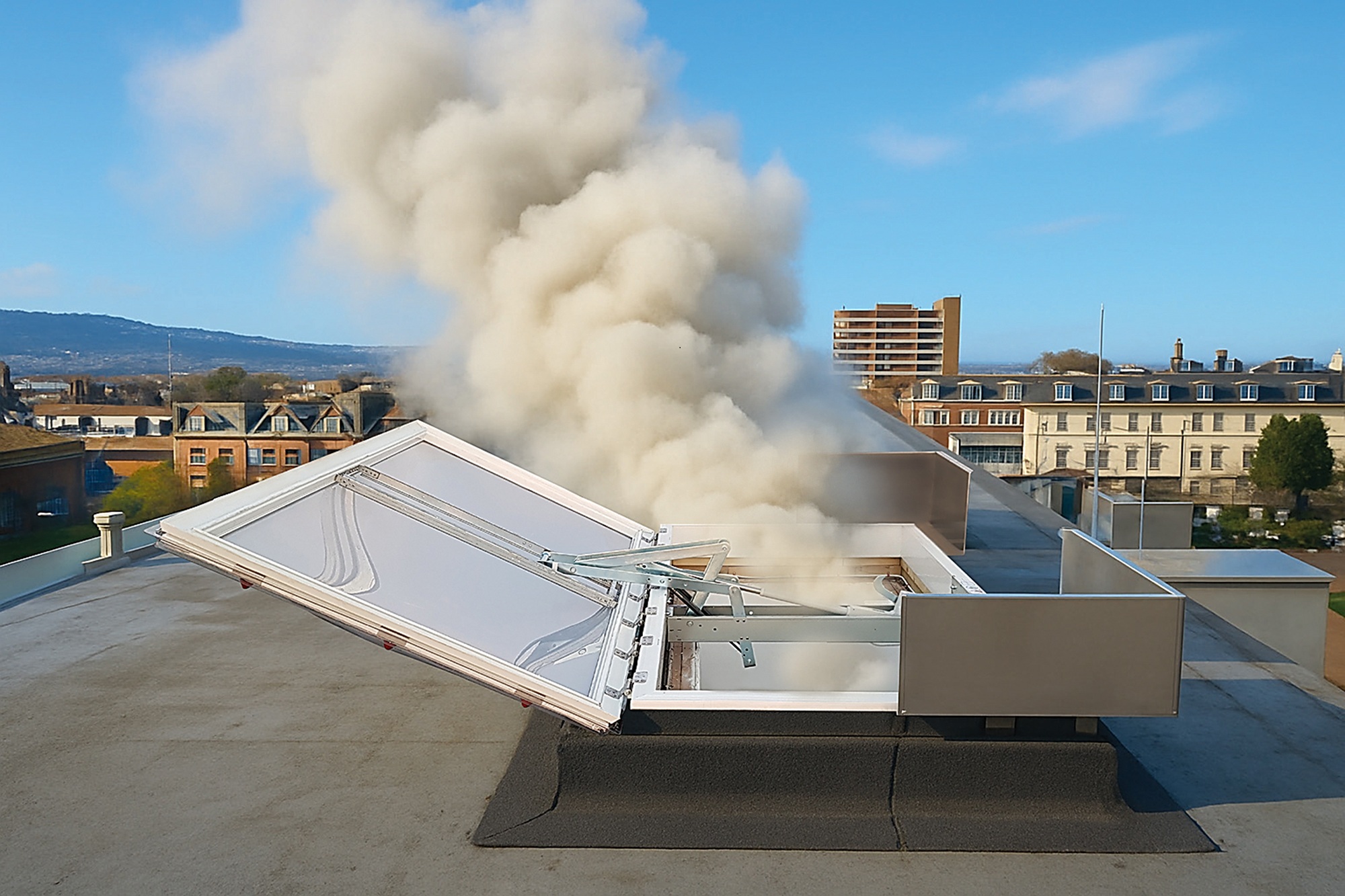
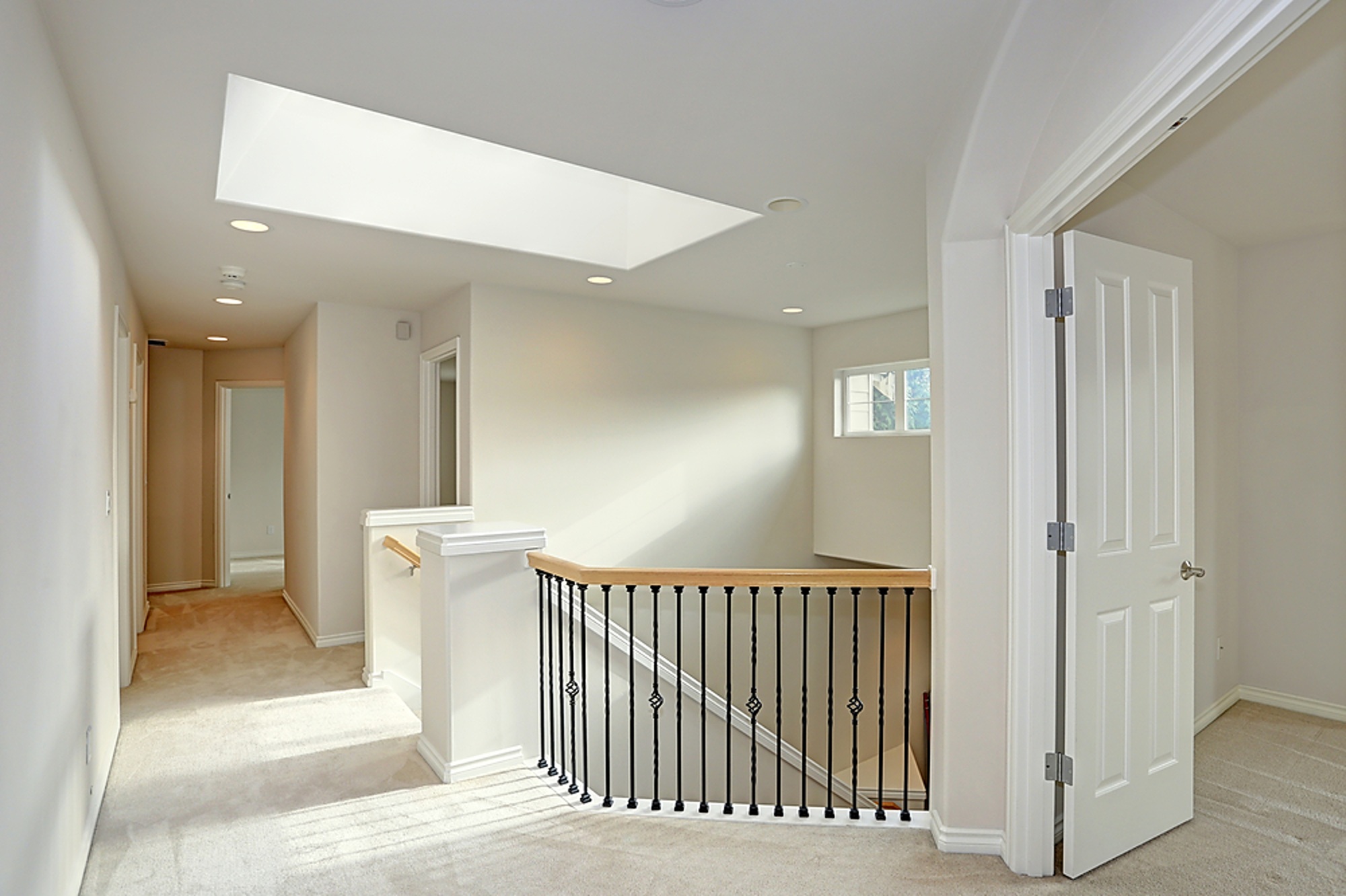
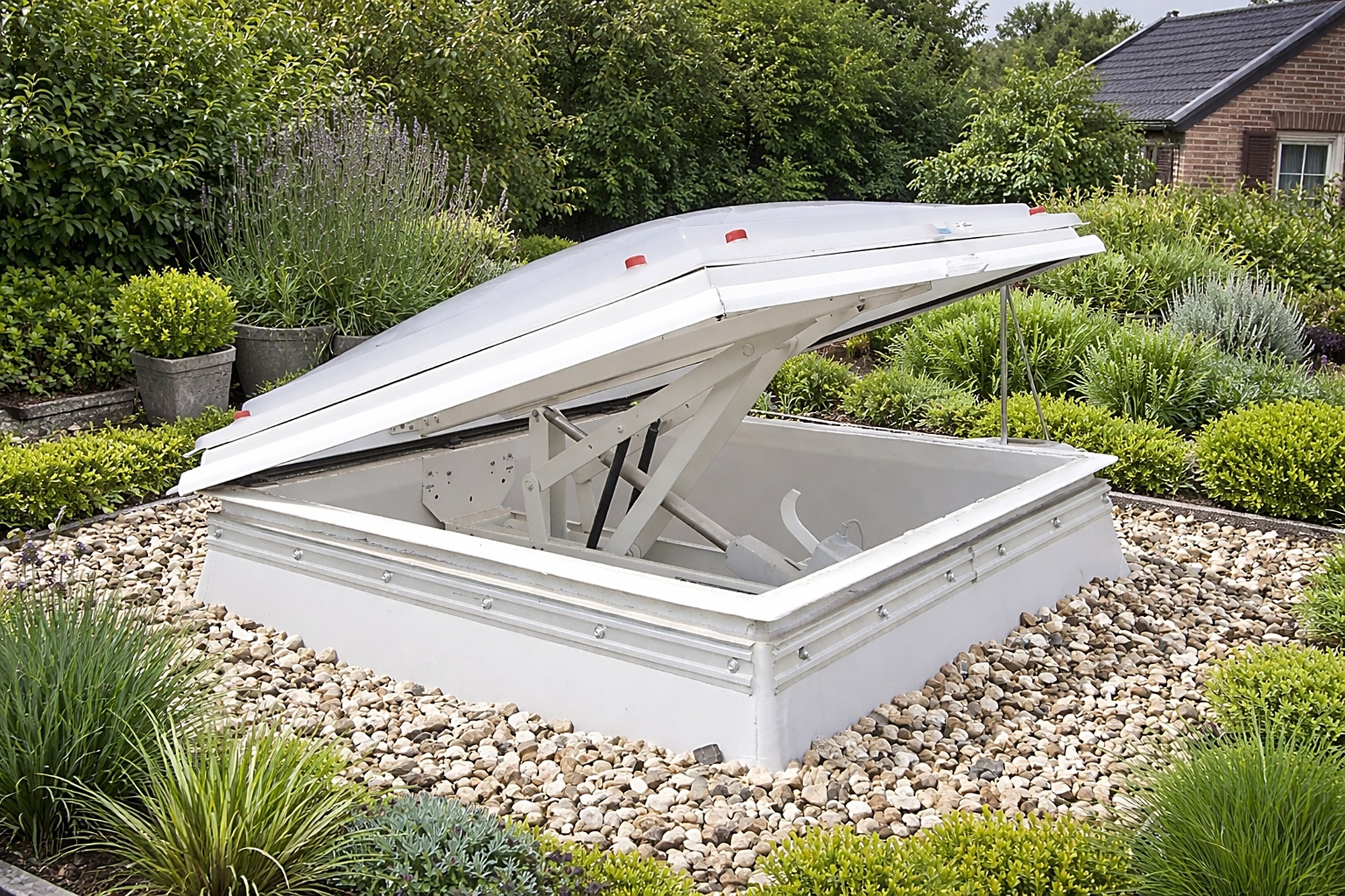
Smoke ventilation systems allow heat and smoke to escape at high level, helping to maintain a clearer layer of air below. This improves visibility in stairways and escape routes, extends evacuation time and supports fire-fighting operations. In homes with more complex layouts – including many modern three-storey houses – this can be life-saving.
Better safe than sorry.
UK Building Regulations do not automatically require smoke vents based solely on storey count. However, guidance within Approved Document B and supporting standards such as BS 9991 often lead designers to consider smoke ventilation where protected stairways, longer escape routes or a single means of escape are present.
Let the system act automatically.
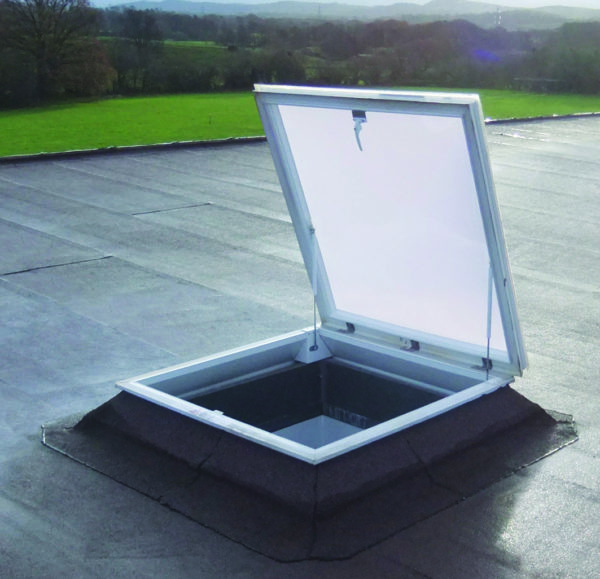
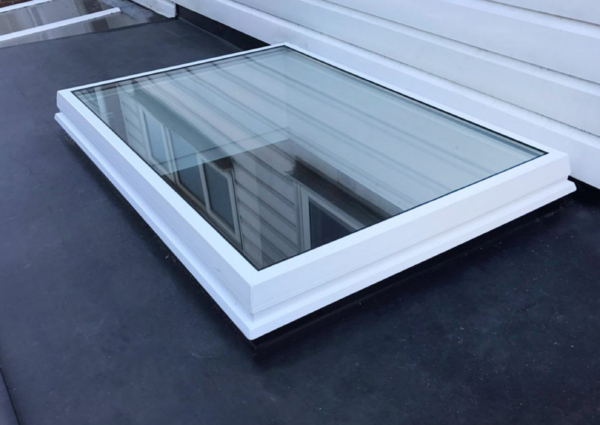
Automatic Opening Vents (AOVs) are commonly used for residential smoke control. Connected to a fire detection system, an AOV opens automatically when smoke is detected, releasing heat and smoke without relying on occupant intervention — particularly important at night.
Choose systems that meet recognised standards.
Any smoke vent specified should be fully tested and certified. AOVs should be CE marked and tested to BS EN 12101-2, confirming suitability for smoke control.
Planning Takeaway: At Rooflights & Skylights, we advise self-builders and developers to consider smoke ventilation early. Integrating it at planning stage avoids costly redesigns and helps deliver safer homes by design.
Gallery
Other Products