How to Choose the Right Fuel Type for Your Stove or Fireplace
From woodburners and pellet stoves to gas, electric and bioethanol models, in this handy stove types guide, Elinor Davies compares the options to help you figure out which might be best for your house
Elinor Davies
Throwing a log onto a crackling fire feels like a quintessentially homely scene, but choosing a stove is no longer simply about picking your preferred fuel. Today’s options range from solid-fuel appliances such as woodburners, multi-fuel and pellet stoves through to gas, electric and bioethanol models, each with different implications for installation, control, storage, ventilation and day-to-day use. The right choice depends on how you want the appliance to work in your home, as much as the fuel it uses.
Here I’m looking at the different types of stove on offer and which one might be right for your specific project, including:
Woodburning stoves
Pellet stoves
Multi-fuel stoves
Gas stoves
Electric stoves
Bioethanol stoves
Woodburning stoves
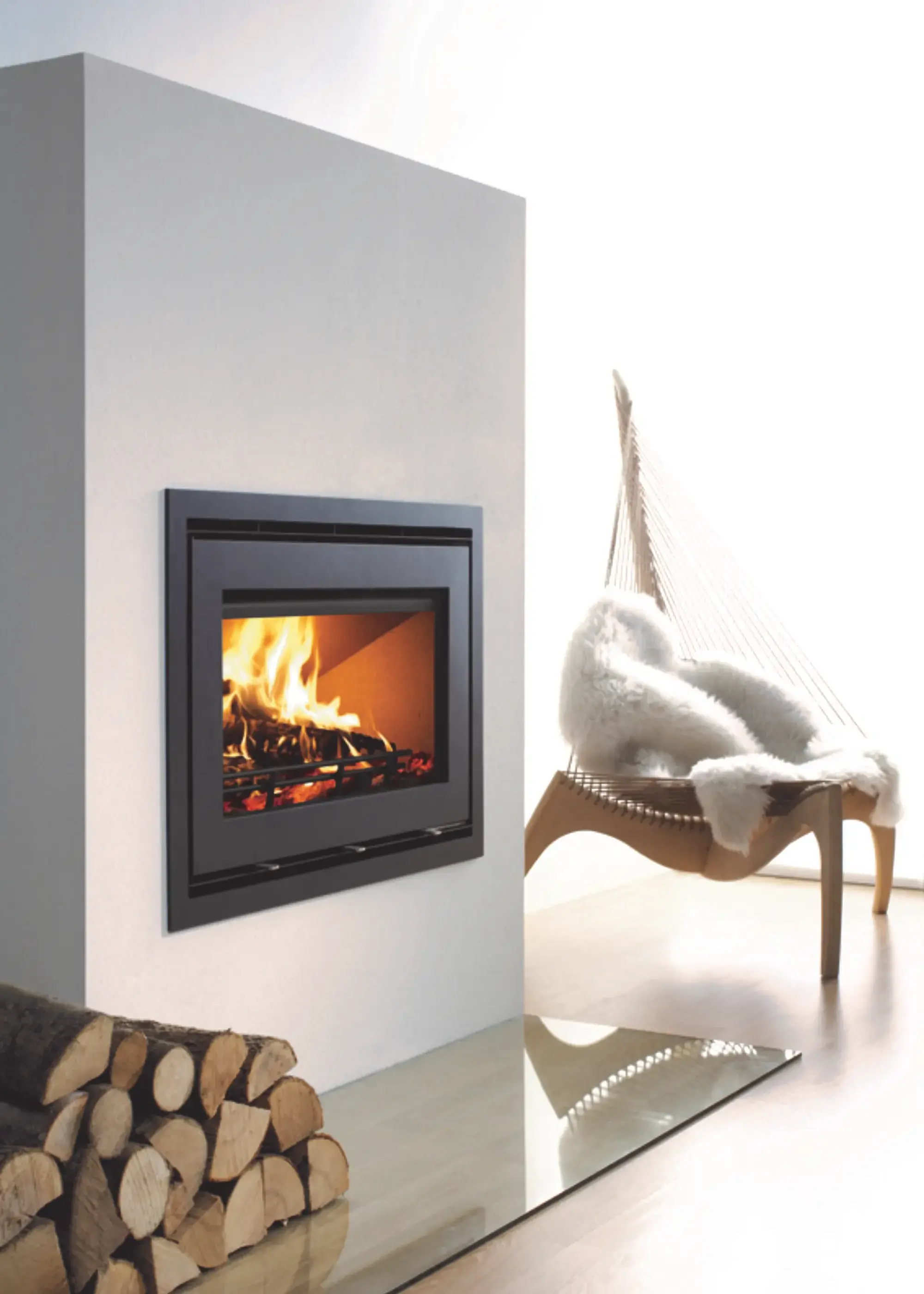
Woodburning stoves remain the classic choice if you want the radiant warmth and ritual of a real fire. But they are hands-on, and output can be harder to control – a key consideration in a high-performance home. “If you want to sit by a cosy hearth on a Saturday night, they’re perfect, but most people overlook how much work is involved with firewood – stacking the logs, laying the fire, and clearing it out,” says John Nightingale, managing director at Stoves Online. Look for Ready to Burn logs, which have a less than a 20% moisture content for cleaner, easier combustion that won’t emit as much smoke.
Raised off the ground and fitted almost flush to the wall, the woodburning Westfire Uniq 32 from Eurostove looks sleek and heats your room with a 7kW output
If you like the idea of a woodburner but want more predictable performance, heat logs or wood briquettes can be a useful alternative. They suit the same appliances as traditional firewood, but good-quality versions can offer a cleaner, hotter and longer burn – which means less frequent loading and ash. However, they need very dry storage, as damp can cause them to swell, crumble and become difficult or unsuitable to burn.
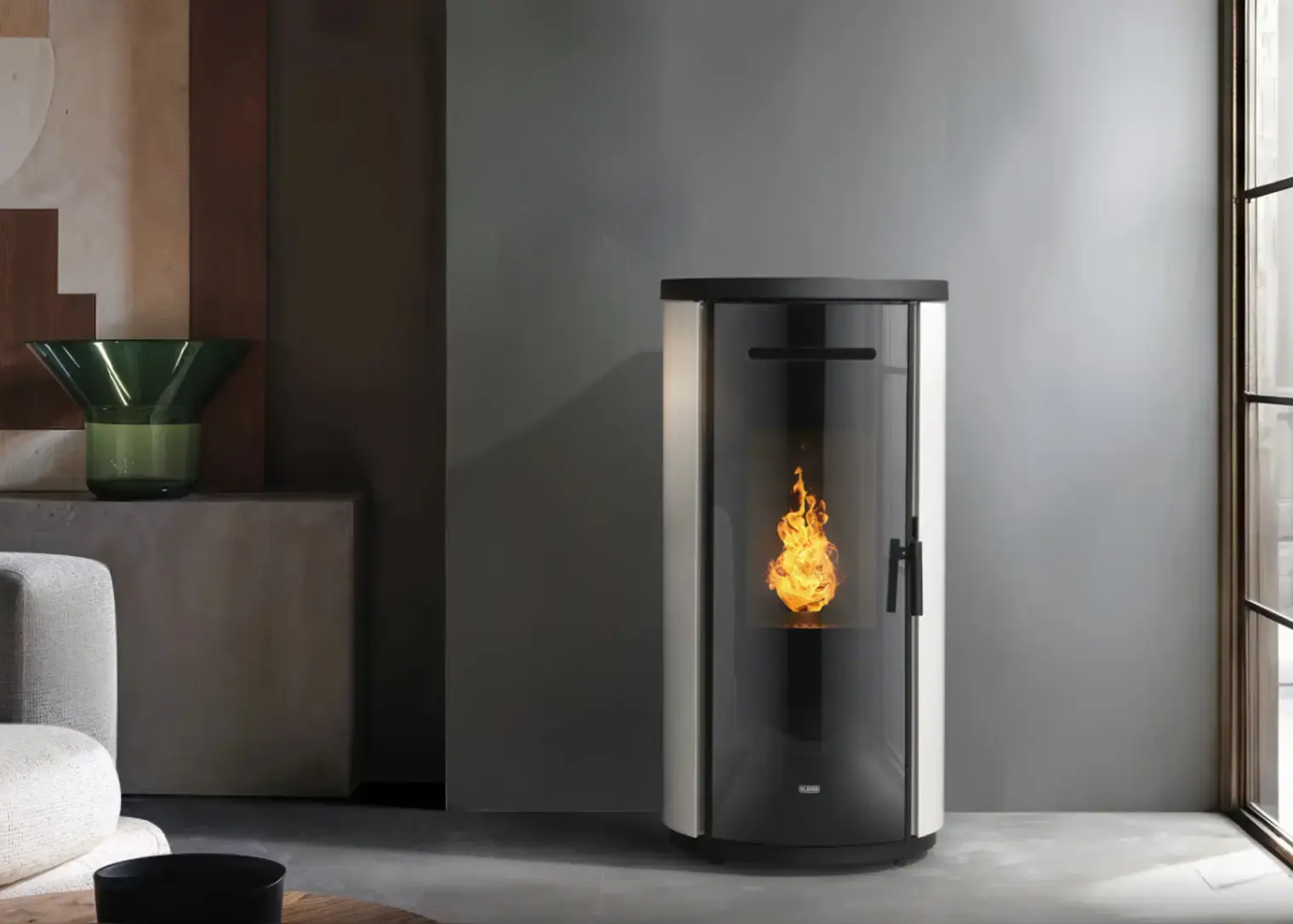
Pellet stoves are a different proposition: they are still a room-heating appliance with real combustion, but the burn is cleaner and more controlled than with a conventional log stove. The fuel itself is made of compressed timber and must be used in dedicated pellet stoves. “They have a fraction of the emissions of regular logs – they burn so cleanly you won’t see smoke from the chimney,” says John.
Delivering 8kW of heat with a 95.4% efficiency, this Klover Kosi Super wood pellet stove from Stoves Online would work well as the main source of heating for a large, open-plan space
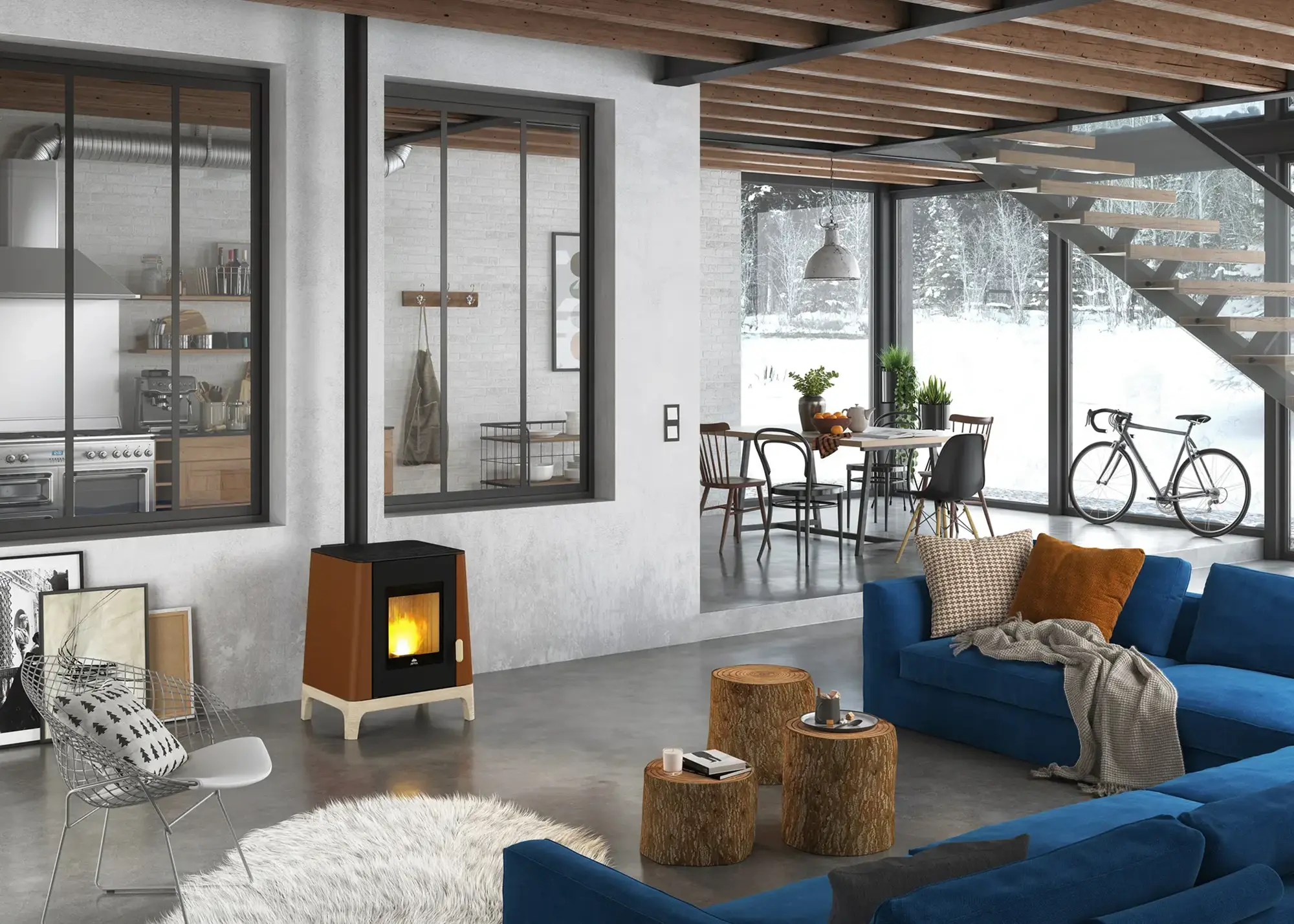
Some come with automated feeds to reduce manual loading, too. The trade-offs are the need for a more specialist appliance, bagged fuel and, in many cases, an electrical supply for the feed and controls.
Available in matt black or corten, the Jotul PF 500 is a small but mighty wood pellet stove which can produce 5.7kW of heat at up to 94% efficiency
Stove fuel FAQs
Which fuel produces the most heat?
Some woodburning stoves are capable of producing high heat outputs (12kW or more) suitable for larger living spaces, while electric fires are typically designed as localised heating sources, often providing up to 2kW of thermal energy.
Answered by Michael Coke
Michael Coke is biomass & electrical development manager at Stovax, the UK’s largest stove and fireplace producer of woodburning, multi-fuel, gas and electric stoves, fires and fireplaces.
Which are lowest-impact in use?
A modern, Ecodesign woodburning stove burning sustainably sourced dry wood is widely recognised as a low-impact heating option. These stoves are designed to achieve significantly lower emissions than older models or open fires and are engineered to maximise efficiency, converting a significant proportion of fuel energy into usable room heat. Electric fires, meanwhile, produce no emissions into the room, and their wider environmental impact can be very low – especially if you use a green energy supplier.
Answered by Michael Coke
Michael Coke is biomass & electrical development manager at Stovax, the UK’s largest stove and fireplace producer of woodburning, multi-fuel, gas and electric stoves, fires and fireplaces.
Which fuels are cheapest?
Gas offers powerful and economical heating. At current energy prices, it can cost as little as 73p to run a Gazco Sheraton 5 Gas stove for four hours’ worth of evening heat. Woodburning can also prove cost effective – especially for those with access to their own firewood.
Answered by Alex Sheldon
Alex Sheldon is gas product development manager at Stovax, the UK’s largest stove and fireplace producer of woodburning, multi-fuel, gas and electric stoves, fires and fireplaces.
Which should be avoided?
Contrary to some opinion, rather than avoiding a specific fuel, it is often more important to avoid outdated appliances. Older stoves and open fires are generally far less efficient than new models that adhere to the very latest heating standards – whether woodburning, gas or electric. For woodburners, in particular, choosing a stove that is confirmed as Ecodesign-compliant, using the correct fuel and having an approved installation will help maximise performance while minimising its environmental impact.
Answered by Michael Coke
Michael Coke is biomass & electrical development manager at Stovax, the UK’s largest stove and fireplace producer of woodburning, multi-fuel, gas and electric stoves, fires and fireplaces.
Are some stoves higher maintenance than others?
By nature of their manual operation, woodburning and multi-fuel stoves typically require the greatest level of ongoing upkeep. Homeowners need to manage fuel storage, regularly remove ash from the pen and arrange routine chimney sweeping to maintain safe and efficient operation. Gas stoves require less day-to-day attention but should be serviced every year by a Gas Safe registered engineer. Electric fires tend to be the easiest models to maintain, needing little more than occasional cleaning while still providing highly realistic flame effects and instant heat at the touch of a button.
Answered by Alex Sheldon
Alex Sheldon is gas product development manager at Stovax, the UK’s largest stove and fireplace producer of woodburning, multi-fuel, gas and electric stoves, fires and fireplaces.
Multi-fuel stoves
Multi-fuel stoves can give you more flexibility than a dedicated woodburner, but don’t assume they can burn any solid fuel. The appeal is that you can use logs or briquettes when you want the look and feel of a wood fire, while still having the option of smokeless or manufactured solid fuels – provided the appliance is designed to use them – for a longer, steadier burn. Bear in mind, though, that some of these fuels won’t match the sustainability credentials of responsibly sourced logs or wood pellets.
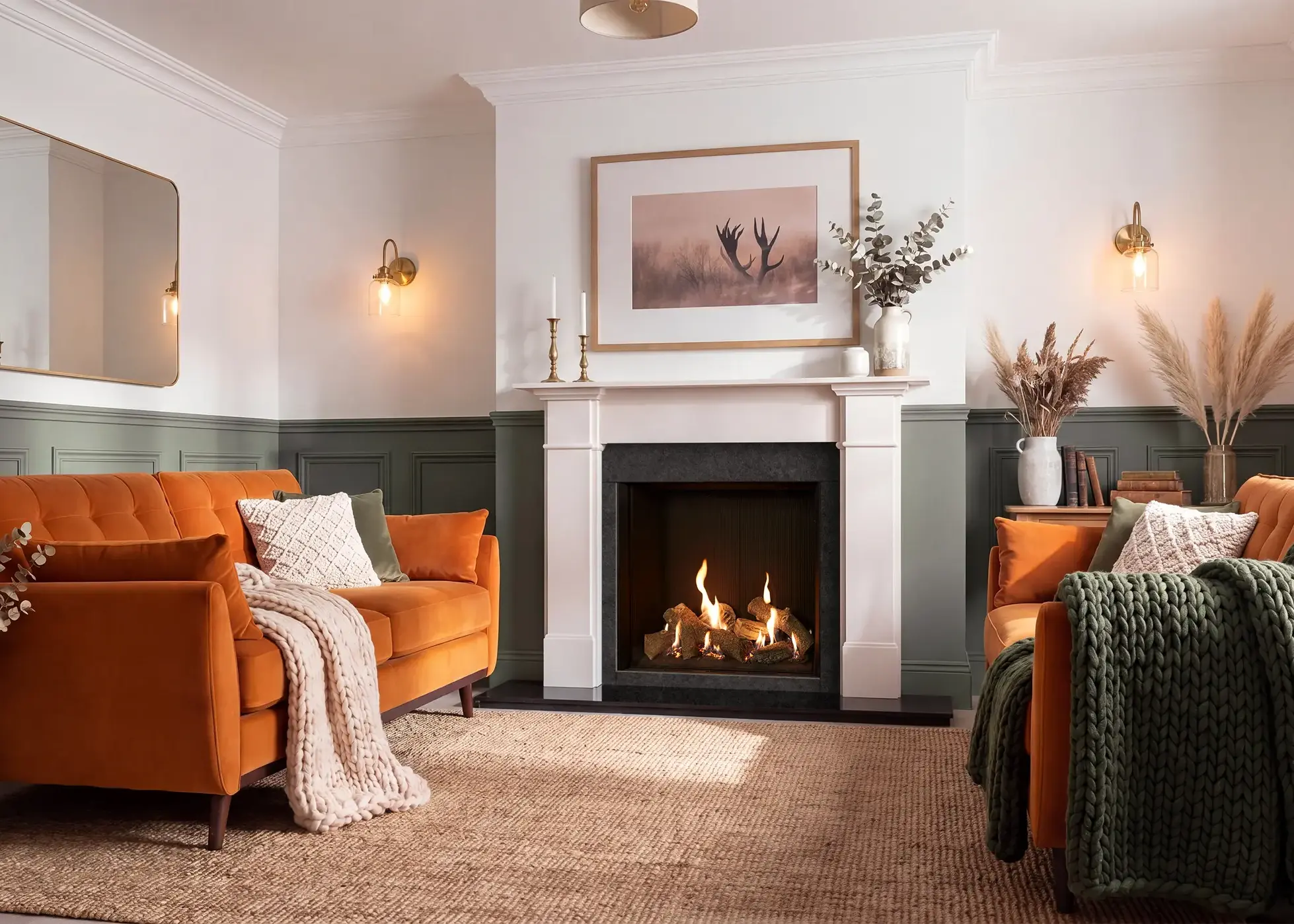
Gas stoves suit homes where you want strong, highly controllable heat without storing solid fuel. Balanced flue versions are sealed from the room and draw combustion air directly from outside, which has made them easier to integrate into efficient modern homes than open-combustion appliances.
The Gazco Riva2 750HL from Stovax is an efficient gas fire, featuring a non-reflective glass front for an open-fire appearance, allowing a clear view of the flames
But for self build projects, that picture is changing. Under the Future Homes Standard, new houses will need low-carbon heating, so most are likely to be built without a mains gas connection at all and make use of low-carbon heating systems such as heat pumps. In practice, that makes gas a stronger fit for retrofit projects where a mains connection already exists, rather than new self builds planned around all-electric heating and fabric-first performance.
Installing a stove in a smoke control area
Answered by Chris Baines
Chris Baines is managing director at Eurostove. Established in 2004, we’ve spent over 20 years supplying, distributing, and manufacturing high-quality woodburning stoves, gas fires and electric fireplaces.
What is a Smoke Control Area?
A Smoke Control Area (SCA) is a zone designated by the local council where it is illegal to emit smoke from a chimney. Doing so is punishable by a fine of up to £1,000. Certain stoves and fuel types may still be used, but you must adhere to strict guidelines. This is all aimed at reducing air pollution. Check on your local council’s website to see if your house falls within an SCA.
What solid fuels can I use in a smoke control area?
A variety of natural and manufactured smokeless fuels are authorised for burning in SCAs. You can also burn wood – including logs, pellets and heat logs – but only in a suitable Defra-approved appliance, and you must use timber with less than a 20% moisture content. Other fuels or moist wood will produce too much smoke.
What stoves are permissible?
The Department for Environment, Food & Rural Affairs (Defra) sets the regulations on which stoves can be used in Smoke Control Areas. Check its website (smokecontrol.defra.gov.uk) for a list of exempt appliances – Eurostove has models in the Mendip, Loxton and Churchill ranges, for example – and the fuels they’re approved to burn.
Electric stoves
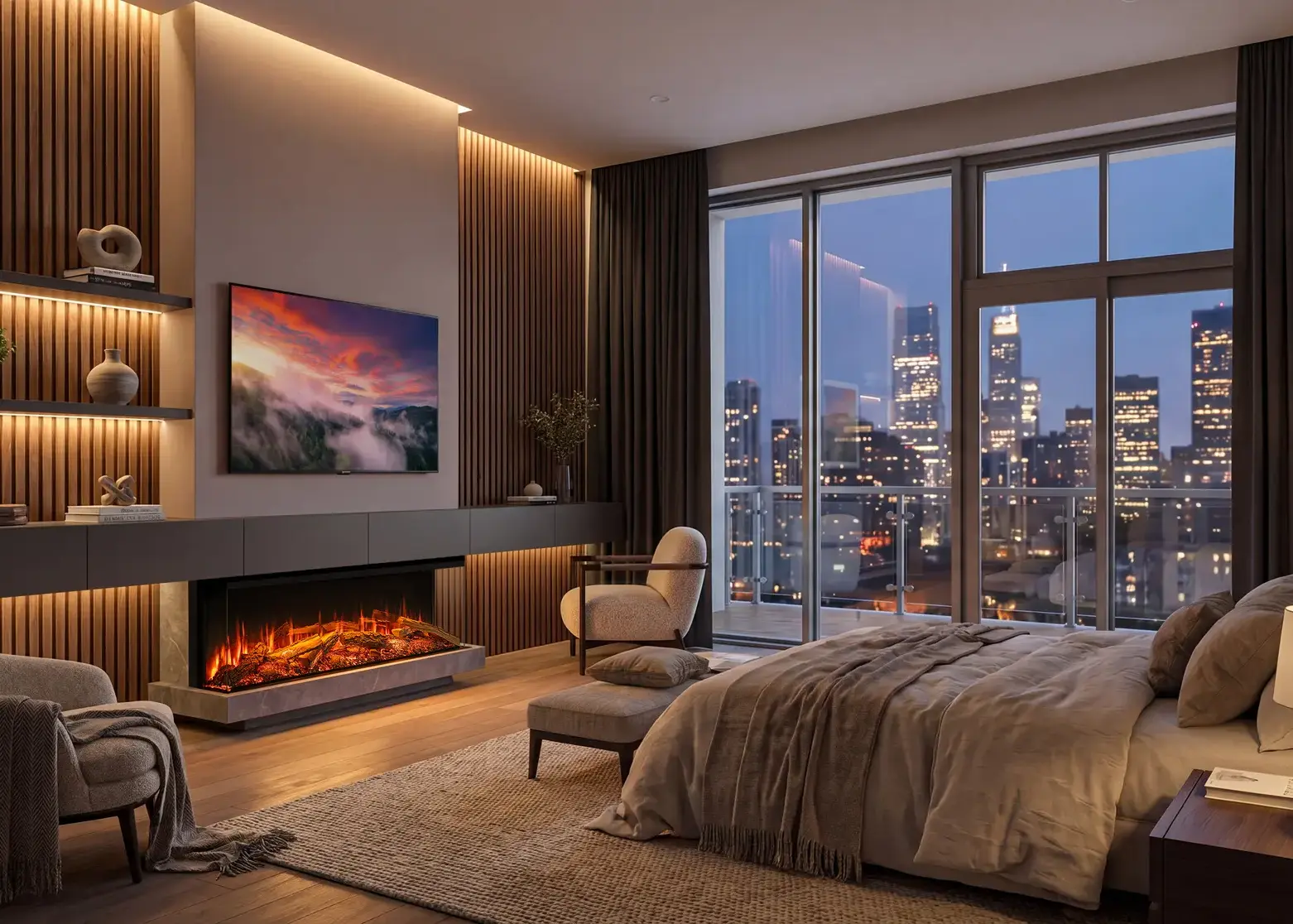
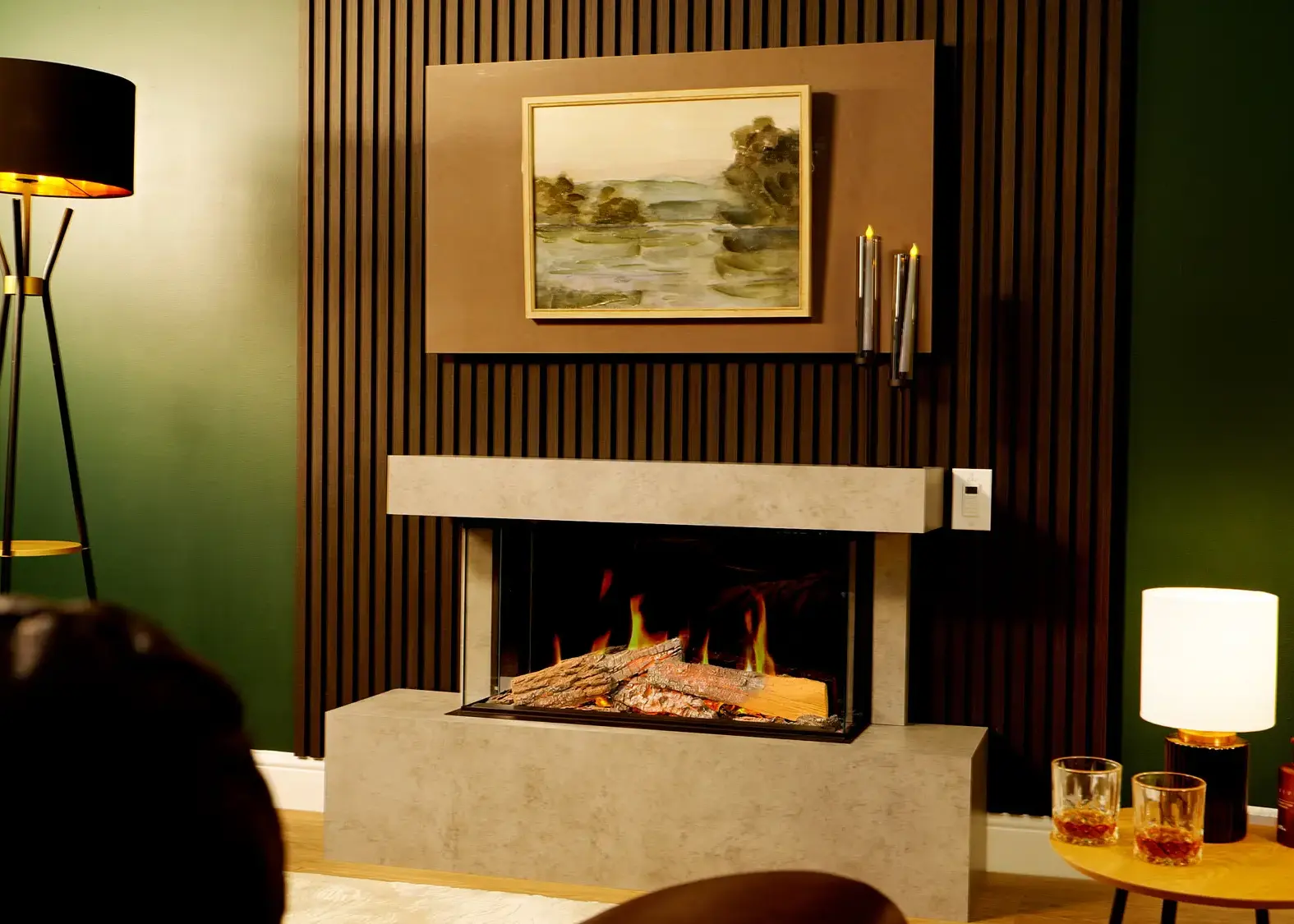
Electric stoves are the simplest option where you want quick, controllable heat without combustion, ash, fuel storage or chimney sweeping. They’re easy to use, typically operated by switch, remote or thermostat. Because there’s no flue, they can be a straightforward fit for efficient homes where a combustion appliance would add complexity in terms of airtightness.
Controllable via remote, touch panel and app, the Onyx Avita 160 is convenient to use and produces up to 2kW of heat. It has optional mood lighting and crackling sound effect for further ambience
“We are seeing a growing interest in them, especially where customers want simpler installation and greater flexibility,” says Peter Mintoft, managing director of Charlton & Jenrick. The compromise is that the flame effect may not appeal to everyone, and the heat output is usually best treated as a localised comfort top up rather than as the main heat source for a large room.
The Luminosa range at Charlton & Jenrick can be controlled via an app, allowing you to set your temperature and flame effect before you even walk through the front door
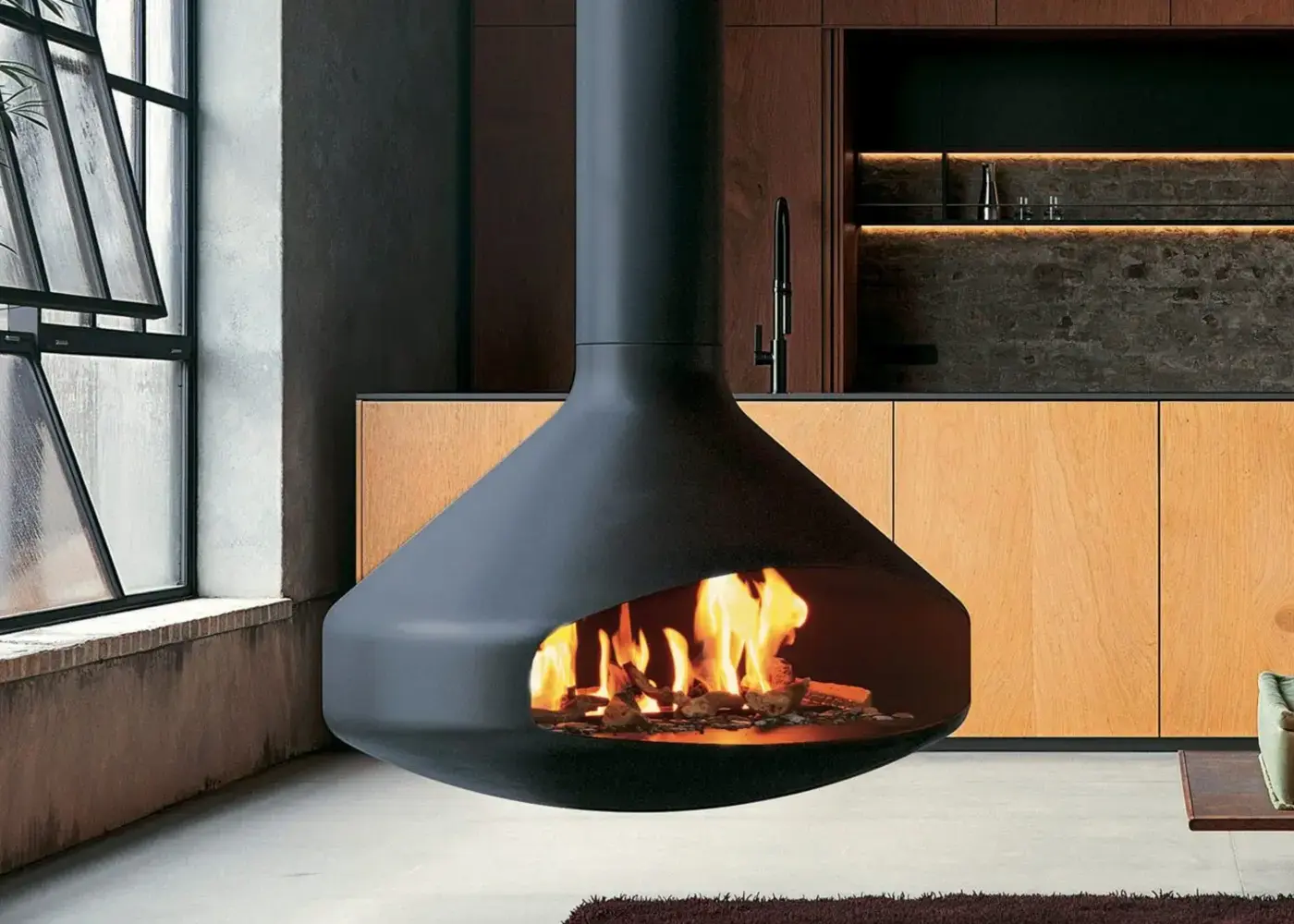
Bioethanol stoves offer a real flame without a chimney or flue, giving owners more freedom over their placement in a room. The fuel is made from fermented plant-derived material. Burning it releases heat, water vapour and carbon dioxide into the room, so ventilation matters.
Caleo’s Ergofocus hanging bioethanol stove is a natural talking point that offers real flames without the need for a chimney or external flue
Their role is often decorative or supplementary, making them better choices for smaller spaces or occasional use than whole-room heating in large areas. They are not usually the best fit for highly airtight homes unless the ventilation strategy and manufacturer’s requirements have been checked carefully.



















 Login/register to save Article for later