Structural insulated panels (SIPs)
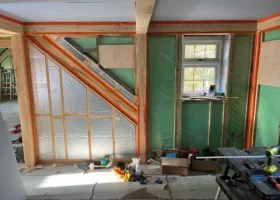
Advantages SIPs offer pre-engineered, factory-made panels that include high levels of insulation. This method not only speeds up construction and reduces waste, but also ensures superior thermal performance, with extremely low U-values ranging from as little as 0.09W/m².
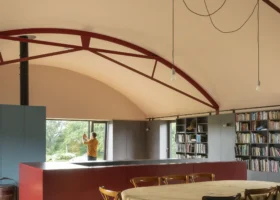
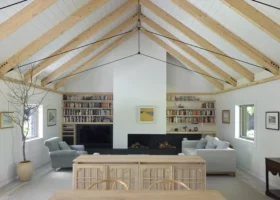
Considerations As with other offsite systems, SIPs require precise fabrication and installation; errors can lead to issues with airtightness and insulation. It’s difficult to make changes to the design once panels are in production, but this method does offer architectural advantages. Vaulted ceilings and habitable lofts are easy to achieve in SIPs, for instance.
Insulated Concrete Formwork (ICF)
Advantages ICF is made using lightweight, interlocking expanded polystyrene panels or blocks, filled with concrete to create super-strong, high-performance walls. It’s noted for its simplicity in handling and rapid site erection. ICF buildings are exceptionally energy-efficient thanks to the structure’s double foam insulation core and the airtightness from the concrete pour.
Considerations The initial costs of building with ICF can be higher than traditional construction due to the materials and specialised labour required. Modification after the pour is possible, but needs specialist cutting equipment (adding cost and delay).
How much does a package self build cost?
Planning your budget is a crucial aspect of any self build project. The cost of building a home varies widely based on the design complexity, spec and level of service you choose. Open and honest communication with your package home company about your budget is essential from the outset. As a rough guide, a reasonable total build budget for a modest bespoke home using standard materials and finishes might be around £2,200-£2,800 per m².
You may get towards the lower end of that scale if the package company is providing the house shell, but you’re self-managing the rest of the works. You’ll be at the higher end (perhaps beyond) if you want them to take on more or all of the ongoing project management.
Naturally, opting for a higher-quality specification will push costs up. Oak frame homes, for instance, might start at more like £3,000 per m². Similarly, if you want to build to Passivhaus standard you might pay a 5%-10% premium; while specifying lots of structural glazing or a high-end kitchen would make a significant impact.
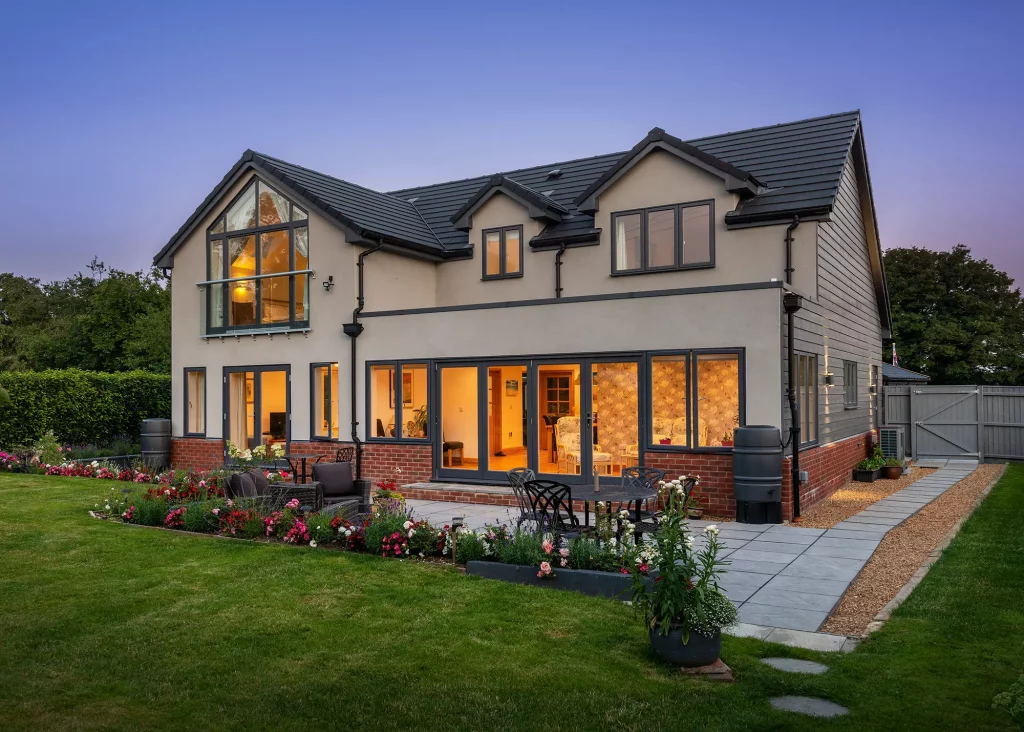
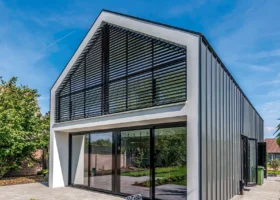
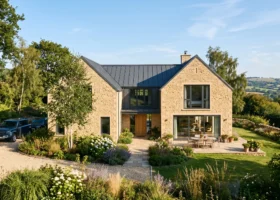
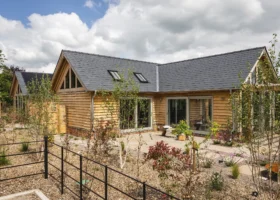
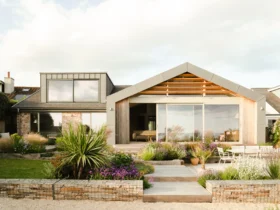
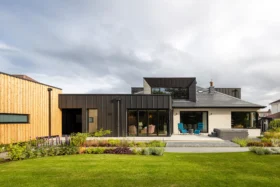
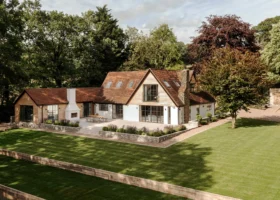
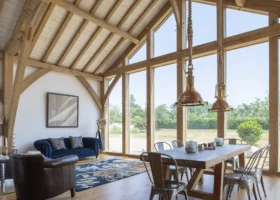
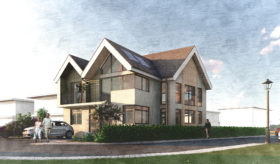
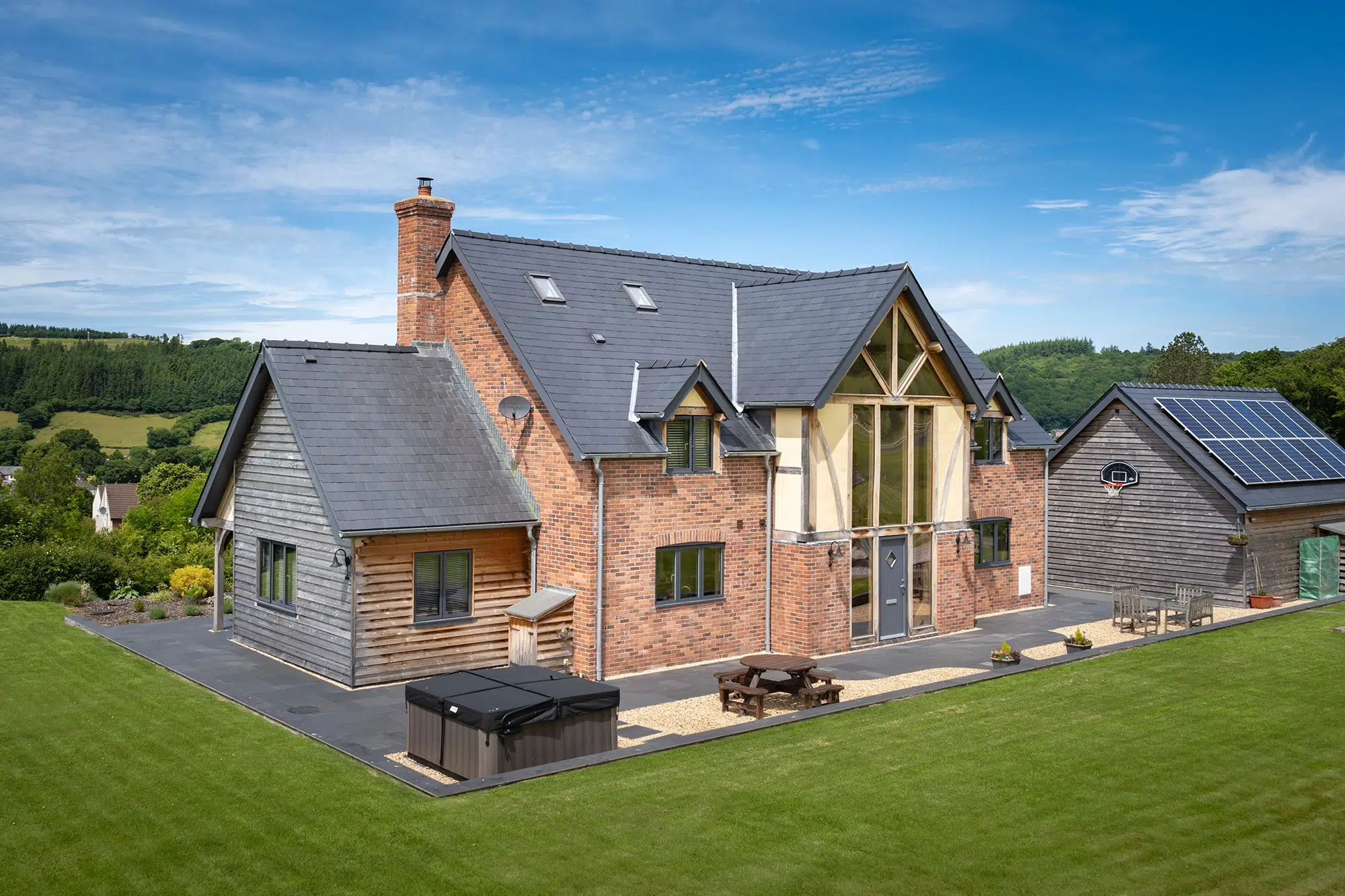
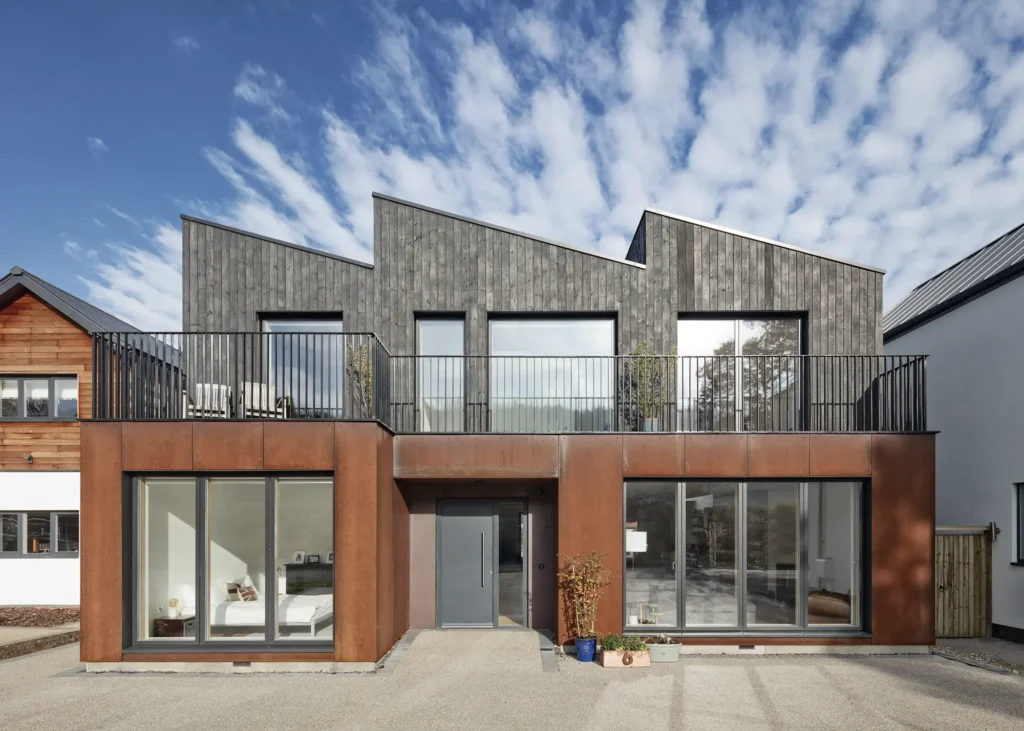
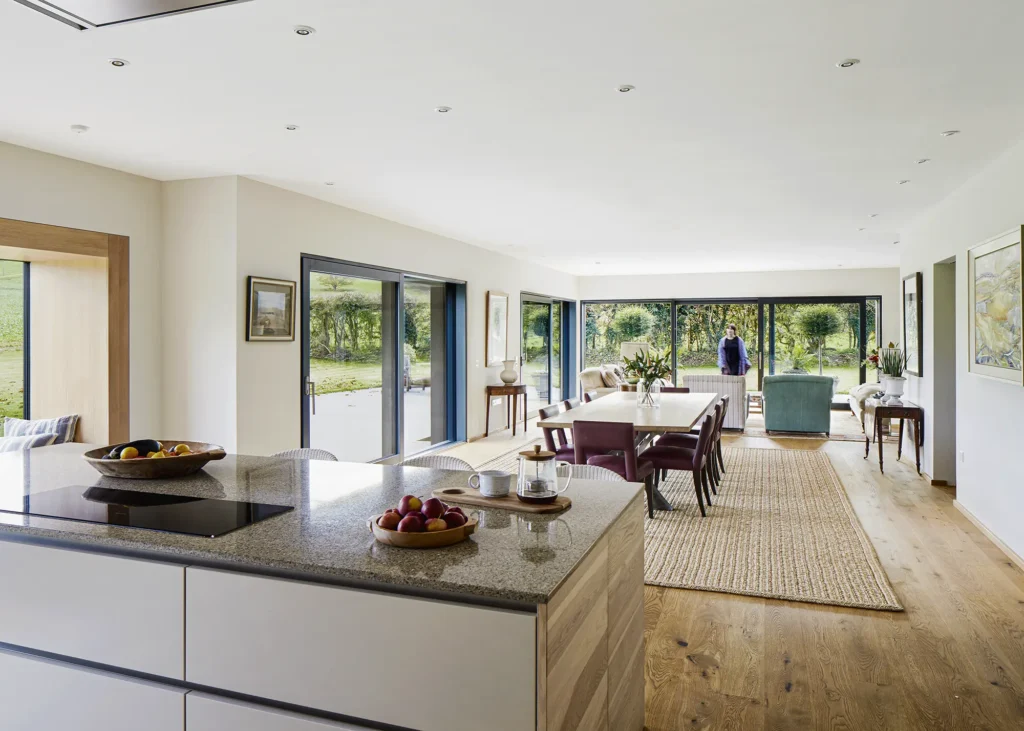
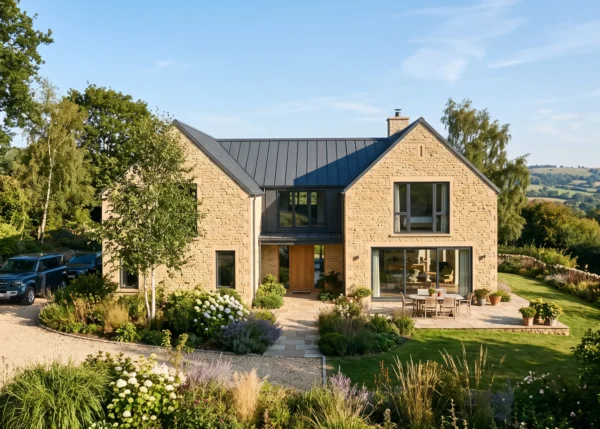
This modern timber frame self build from Potton is complete with extensive glazing leading out into the garden and full height windows in the left gable. The package home build cost £400,000 and took just a year to complete
When it comes to paying for the package, terms vary depending on the company and service level. For a weathertight house shell, there might be a deposit to enable design/manufacture, another to deliver the kit to site, with the balance due once it’s erected and signed off.
If you need finance, go for a self build stage payment mortgage – available through brokers like BuildStore and Mayflower, or direct with some specialist lenders. These mortgages release cash in stages as the build progresses, either an arrears or advance payment schedule. The latter is ideal for package builds, as you’ll get the agreed money upfront, ensuring you have the cashflow to pay suppliers.
Embarking on a self build project with a package home company is a journey of collaboration and it offers you the opportunity to create a home that reflects your vision, backed up with the guidance of a professional house builder. You’ll have help at every stage, from careful planning to informed decision-making, ensuring you have manageable and deeply rewarding experience.


















 Login/register to save Article for later













Comments are closed.